The Story
Why it exists.
The beginning
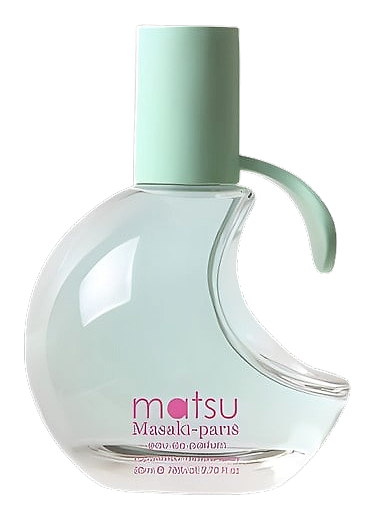
Jean Jacques designed Matsu for a wearer who doesn't need a fragrance to do the work for her. Released in 2014 as part of the Masaki Matsushima collection, the scent carries the house's signature restraint, each note arrives with purpose, then steps back to make room for the next. The brief wasn't a color this time, or a temperature. It was a moment: the particular stillness before spring decides to arrive. That quiet transition, when the air changes and something underneath it starts to move. Lilac, Wisteria, Star Jasmine, white florals usually deployed one at a time in perfumery, here appear together, and the combination creates something that reads as both cool and warm simultaneously. The green notes at the opening aren't an accident. They ground the florals, keep them from floating into abstraction. Peach adds the soft fruit that makes the whole thing feel accessible, modern, unpretentious.
The pyramid structure tells its own story. Where most fragrances build from top to bottom, bright opening, fuller heart, deep base, Matsu layers three distinct floral moments: the green-peach-pepper-rose opening that reads fresh and contemporary, the lilac-wisteria-orange-blossom-star-jasmine heart that takes over and deepens everything, and the white-musk-almond-sandalwood base that becomes skin-warm and close. The white florals in the heart are the key decision here. Lilac, wisteria, and star jasmine rarely appear together, lilac is cool and green, wisteria is powdery and soft, star jasmine is indolic and rich. Used in isolation, each is distinctive. Combined, they create a density that could have gone heavy.
The evolution
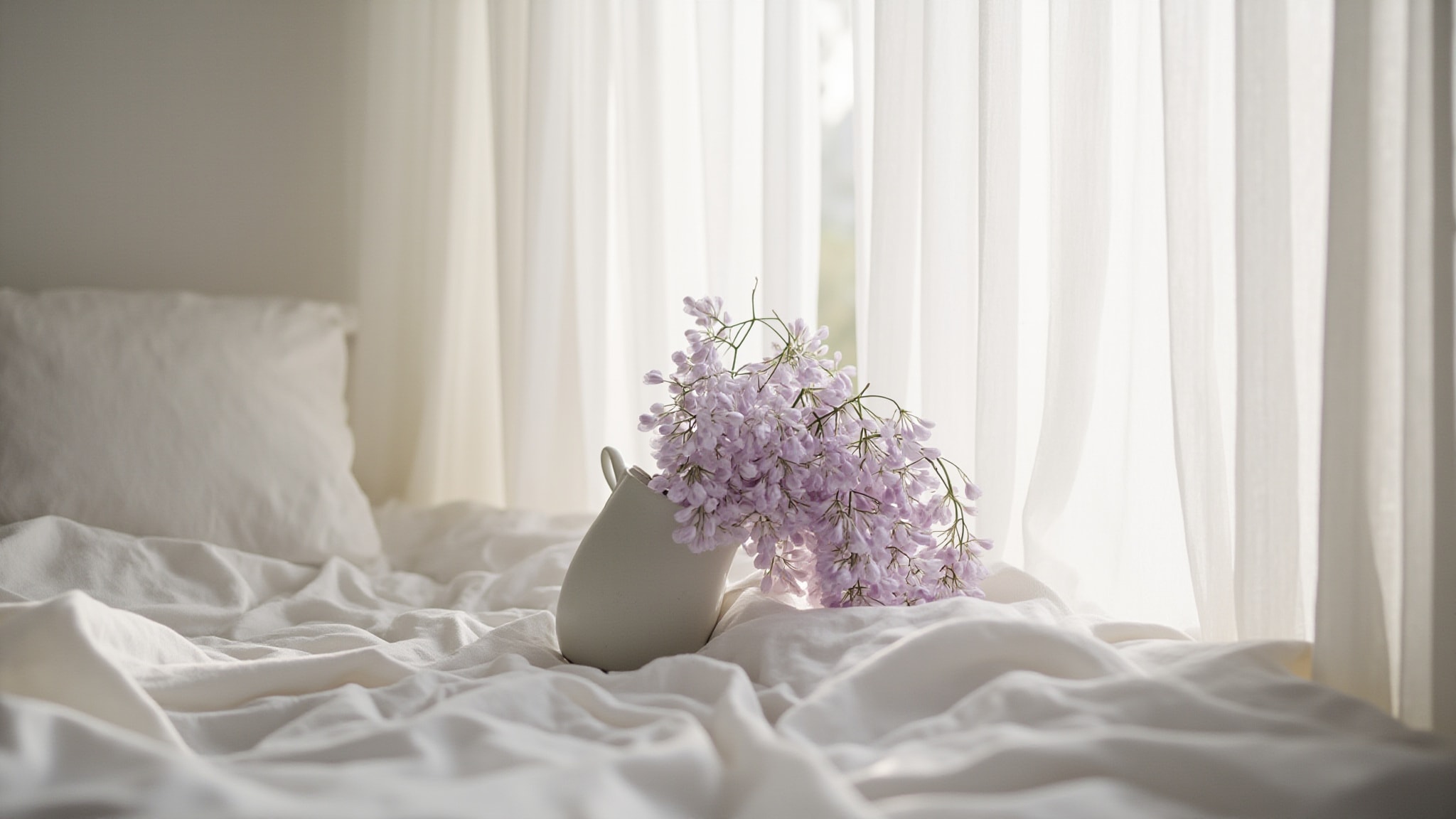
The opening hits like morning light through thin curtains. Peach arrives soft and immediate, pink pepper flickers at the edges, rose adds a clean floral anchor. Green notes keep it grounded, not leafy, more like the smell of cool air. In its earliest stages, Matsu reads fresh and bright, contemporary in the best way. Then the white florals begin their slow takeover. Lilac arrives first, cool and green. Wisteria follows, adding a powdery softness that bridges the gap. Star jasmine and orange blossom deepen the heart into something warmer, richer, still clean, but with body now. The hand-off from top notes to heart notes is unusually smooth. Most fragrances have a moment where the opening recedes and the heart takes over. Here, the green notes fade gradually, the peach softens, and the florals simply become the composition.
Cultural impact
Matsu found its audience among wearers who wanted something beyond the obvious. It's not a statement fragrance, it doesn't announce itself across a room or demand attention. Instead, it rewards the person standing close. The white floral heart became its signature: not the single-note white floral of summer fragrances, but a layered combination that reads differently on different skin. Cool on some, warmer on others. The composition fits into a broader movement where understated fragrances found appreciation among those tired of performative scent.