
The Story
Why it exists.
The beginning
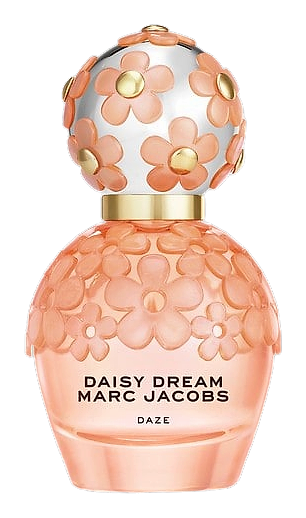
Alberto Morillas built this in 2019 as part of the Daisy universe, but where the original Daisy plays it straight, Dream Daze tips sideways into something a little hazier, a little more insistent on its own terms. Wisteria opens heavy and floral, almost intoxicating in its sweetness. Loganberry arrives to complicate things: not quite berry, not quite lychee, a fruit that doesn't exist in most grocery stores but shows up everywhere in perfumery because it smells like a memory you can't quite place. The limited-edition status isn't accidental, this one was never meant to be permanent. It was meant to be the one that got away.
Three notes is a tight brief. Most modern fragrances stack four, five, six layers and pray something sticks. Dream Daze strips it back to a trio that actually talks to each other: wisteria's grape-purple sweetness, loganberry's bright-tart interruption, and musk's skin-warm finish that keeps the whole thing from being just another floral. The wisteria-loganberry pairing is unusual, loganberry is a raspberry-blackberry hybrid that shows up rarely in fragrance, and using it alongside wisteria creates a tension between weight and lift that most flankers never attempt.
The evolution
It opens with wisteria's fullness, the scent of those purple cascading blooms you see on fences and arbors in late spring, sweet and slightly heady. Within minutes, loganberry cuts through: a sharp, bright tartness that feels like biting into something cold. The floral and the fruity take turns asserting themselves for the first hour, neither quite winning. Then the musk arrives, soft and powdery, settling close to the skin. By hour two, it's barely there, a warm trace, like the ghost of someone who left an hour ago. On fabric, the wisteria hangs longest. On skin, the loganberry leaves a final bright impression before disappearing into nothing.
Cultural impact
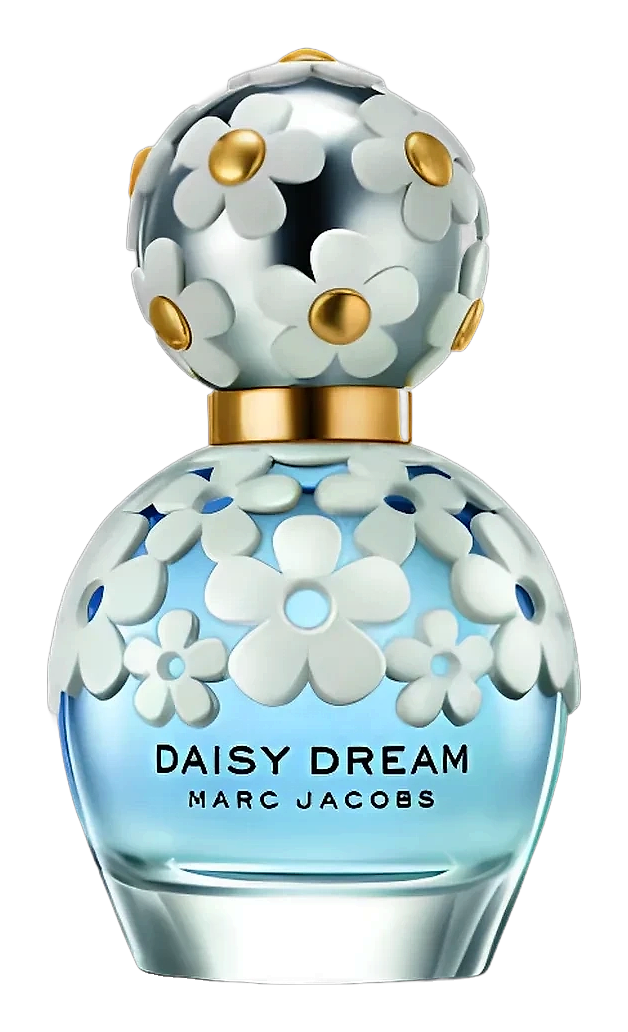
Daisy Dream Daze arrived in 2019 as part of Marc Jacobs' strategy to expand the Daisy franchise into niche seasonal releases. The wisteria note was relatively uncommon in mass-market fragrances at that time, making this flanker stand out from typical fruity-floral offerings. Its limited-edition status created collectibility among fragrance enthusiasts, while the simple three-note structure reflected a broader industry trend toward minimalist perfumery. The 2019 release coincided with growing consumer interest in accessible luxury and social-media-friendlyflanker launches.
The House
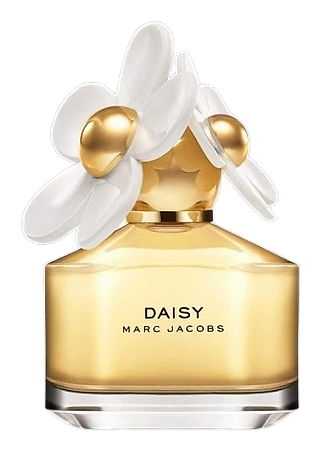
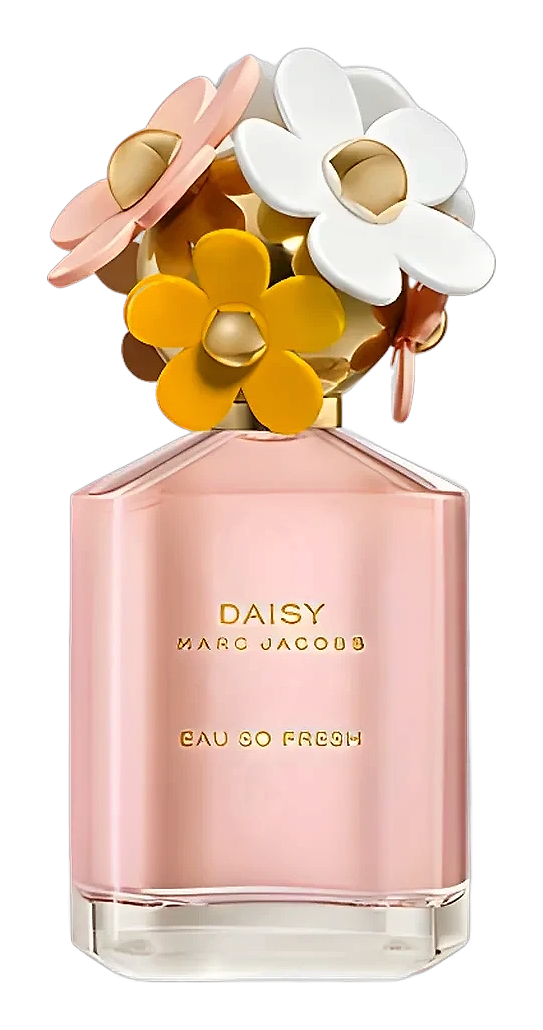
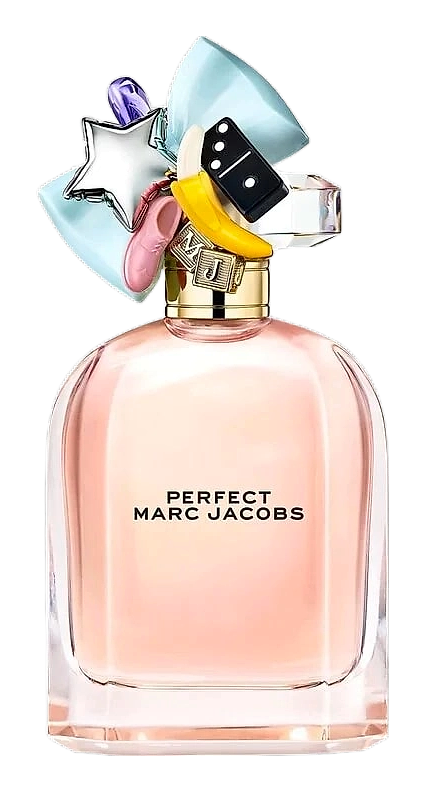
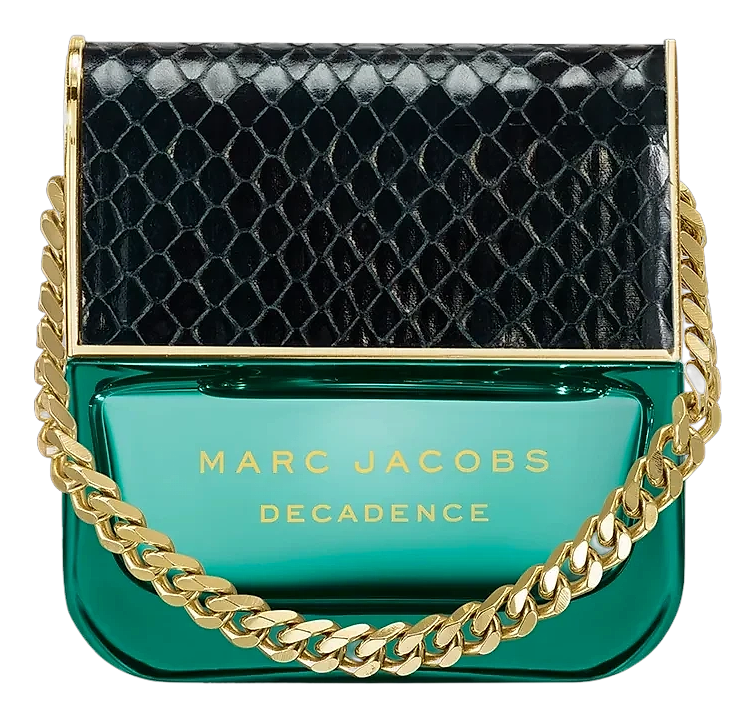
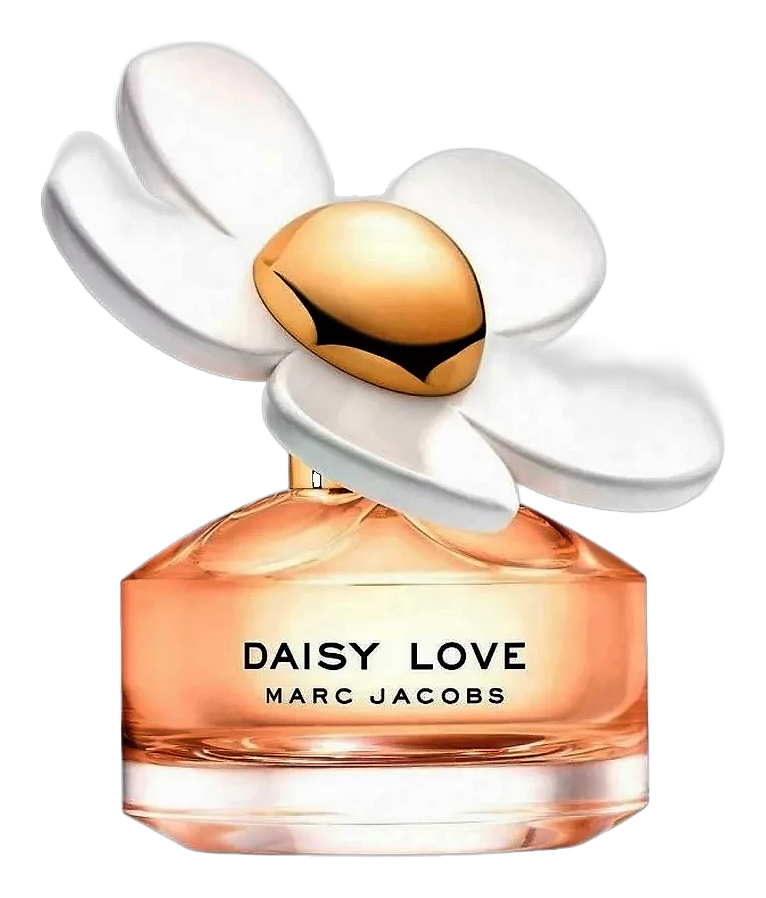
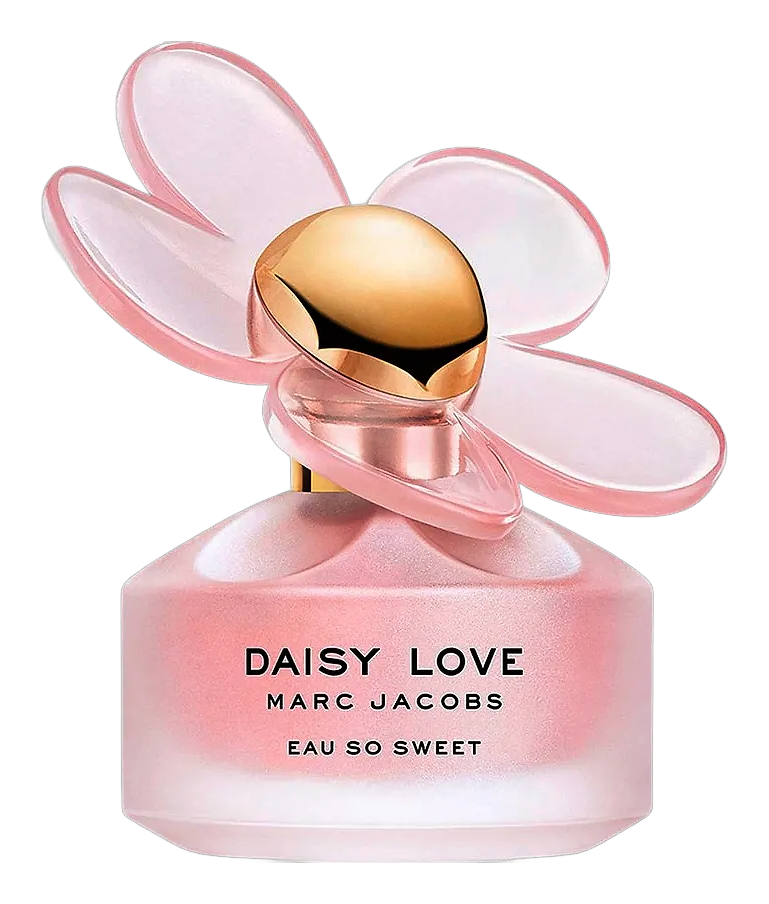
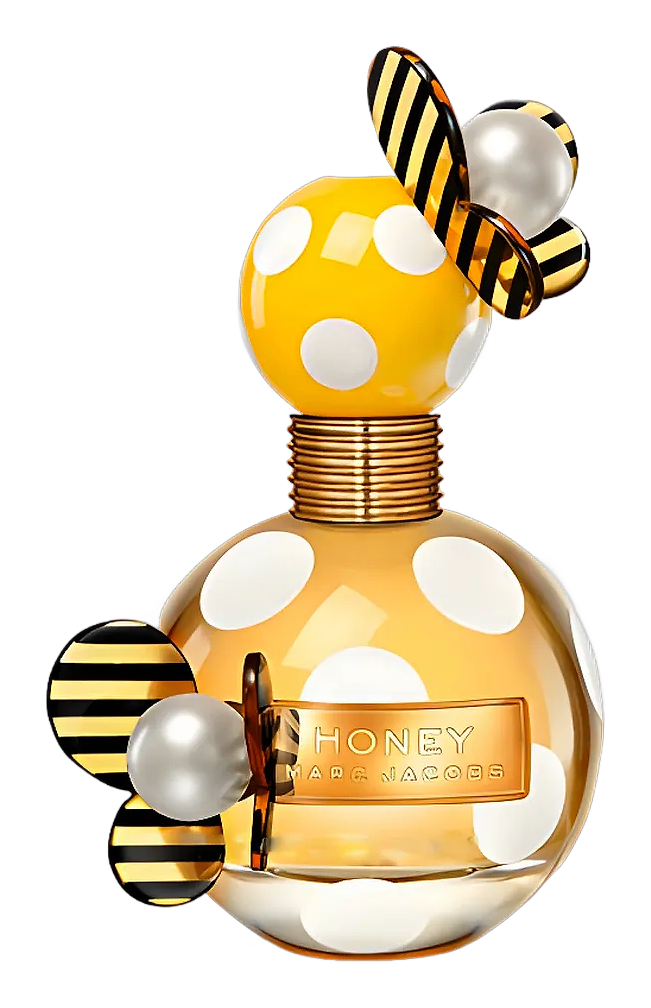
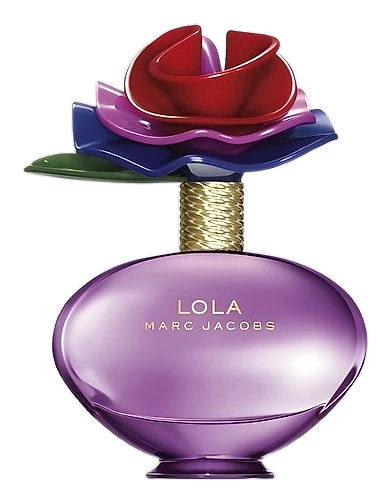
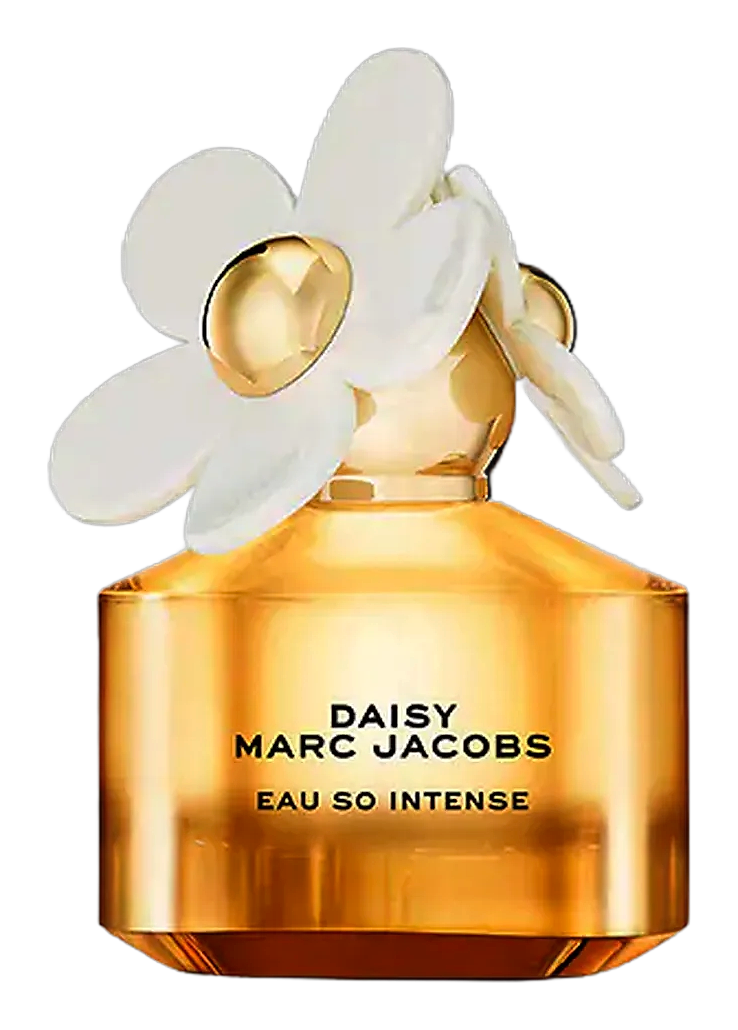
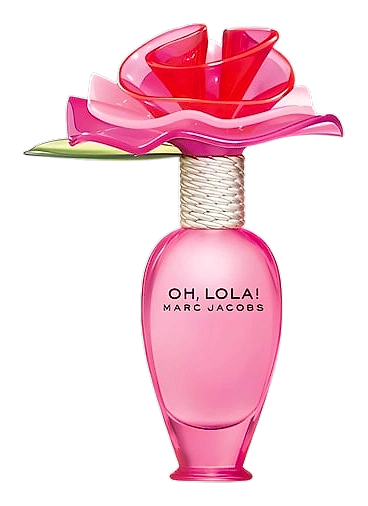
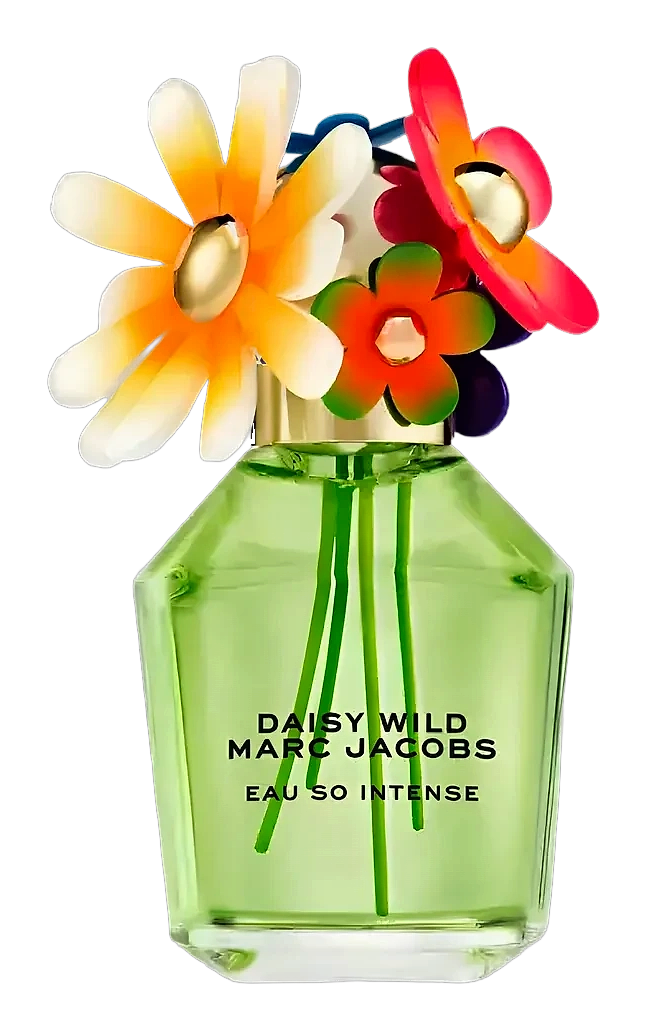
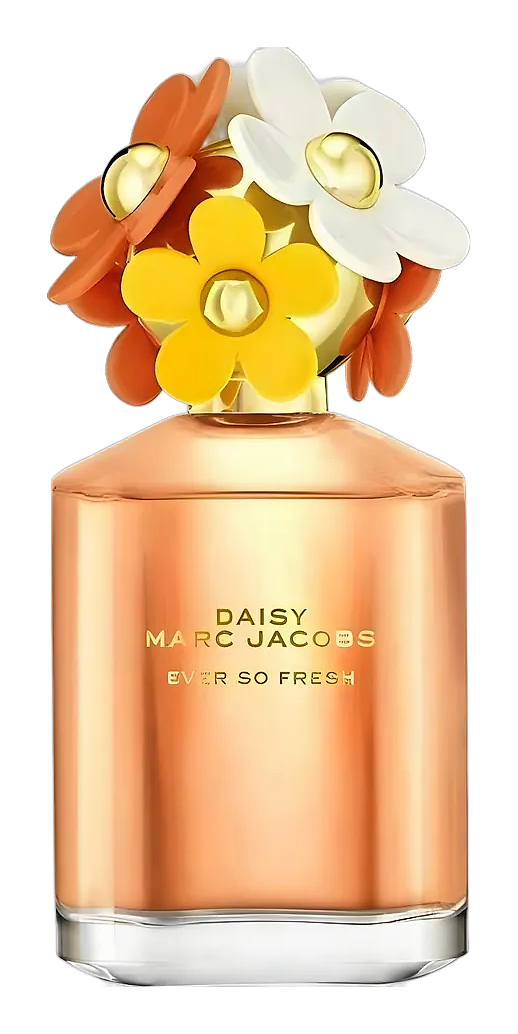
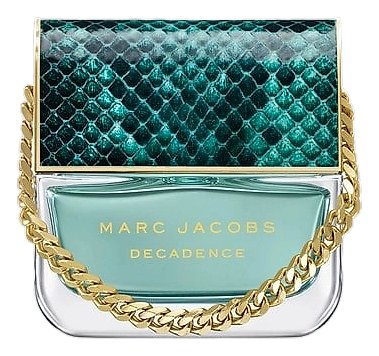
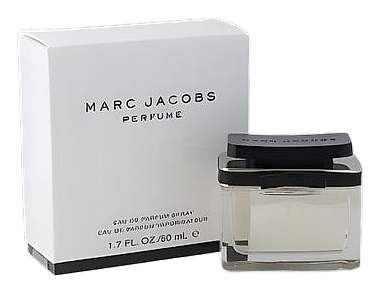
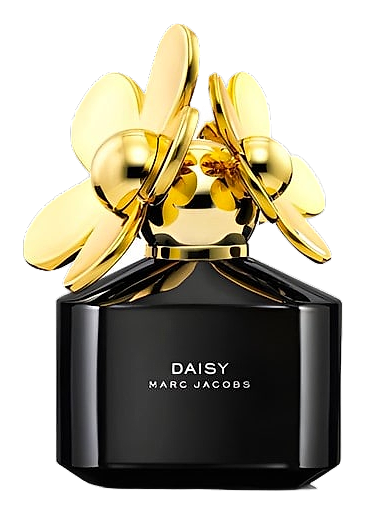
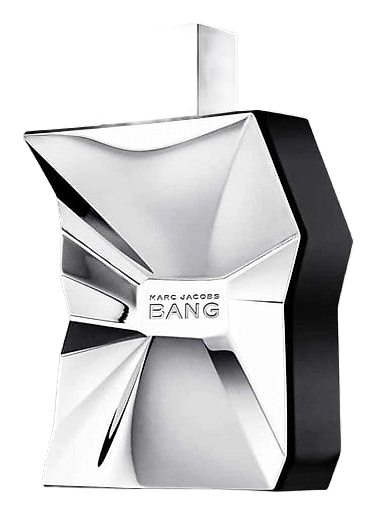
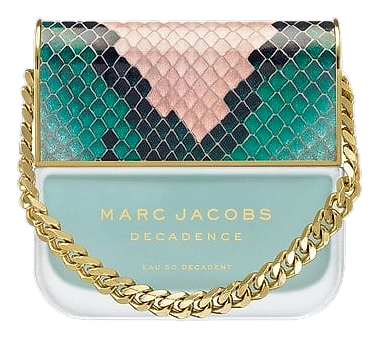
Marc JacobsMarc Jacobs fragrances, produced under license by Coty, launched in 2001 with Marc Jacobs for Women, followed by a companion men's scent in 2002. The brand has since built an extensive portfolio of fragrances anchored by signature lines including Daisy (2007), Lola (2009), Decadence (2015), and Perfect (2020). Daisy, named after Daisy Buchanan from F. Scott Fitzgerald's The Great Gatsby, quickly became a defining success for the brand, spawning numerous flankers and variations across multiple collections. The line's visual identity, with its oversized daisy cap atop a clean bottle, became one of the most recognizable silhouettes in contemporary perfumery. Decadence introduced a handbag-shaped bottle on a gold tasselled chain, a notably unconventional vessel for fragrance at the time of its launch. The brand has collaborated with a broad roster of perfumers over the years, including Annie Buzantian, Ann Gottlieb, Steve DeMercado, Loc Dong, Alberto Morillas, and Calice Becker, among many others. Marc Jacobs fragrances are available at major department stores worldwide and online.
The Creator
Alberto MorillasMorillas' style is characterized by a luminous transparency and a masterful use of musks. He often incorporates citrus notes to create a bright, uplifting effect.