Loganberry
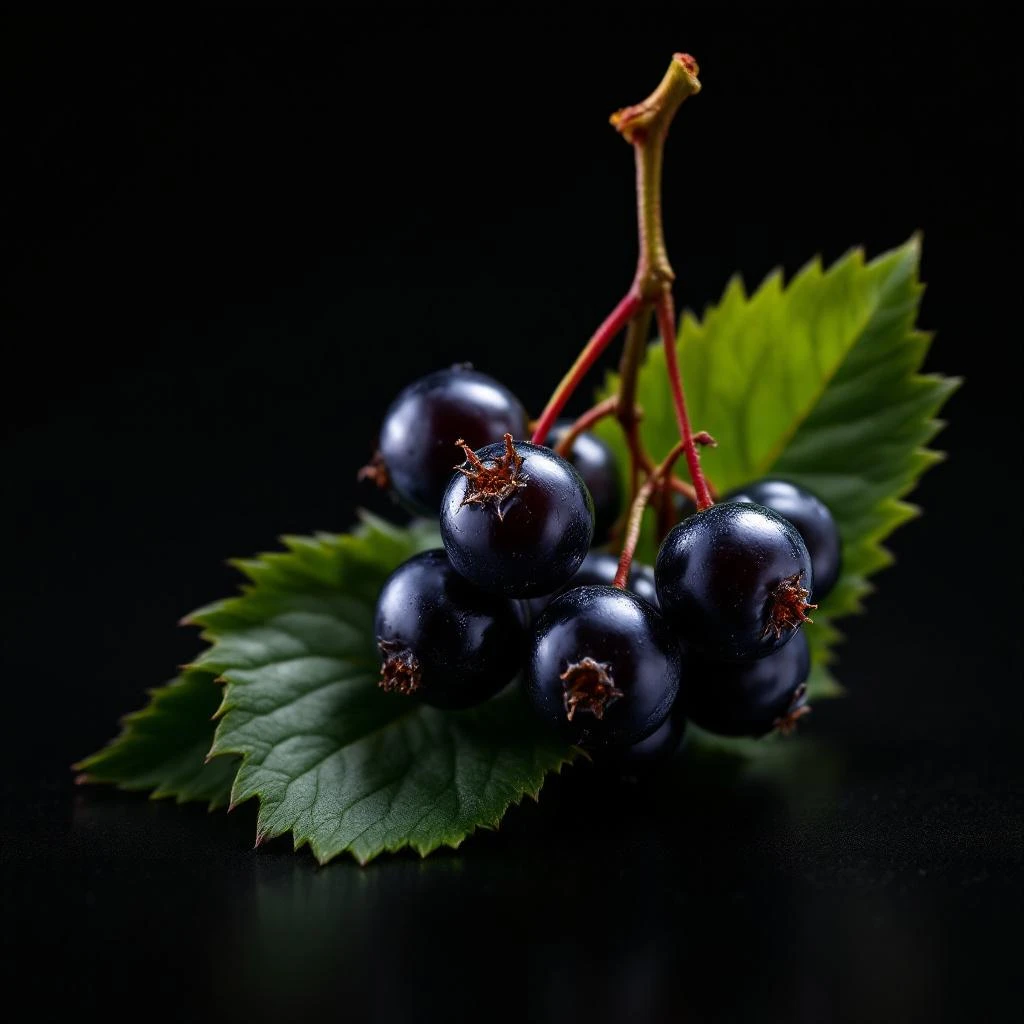
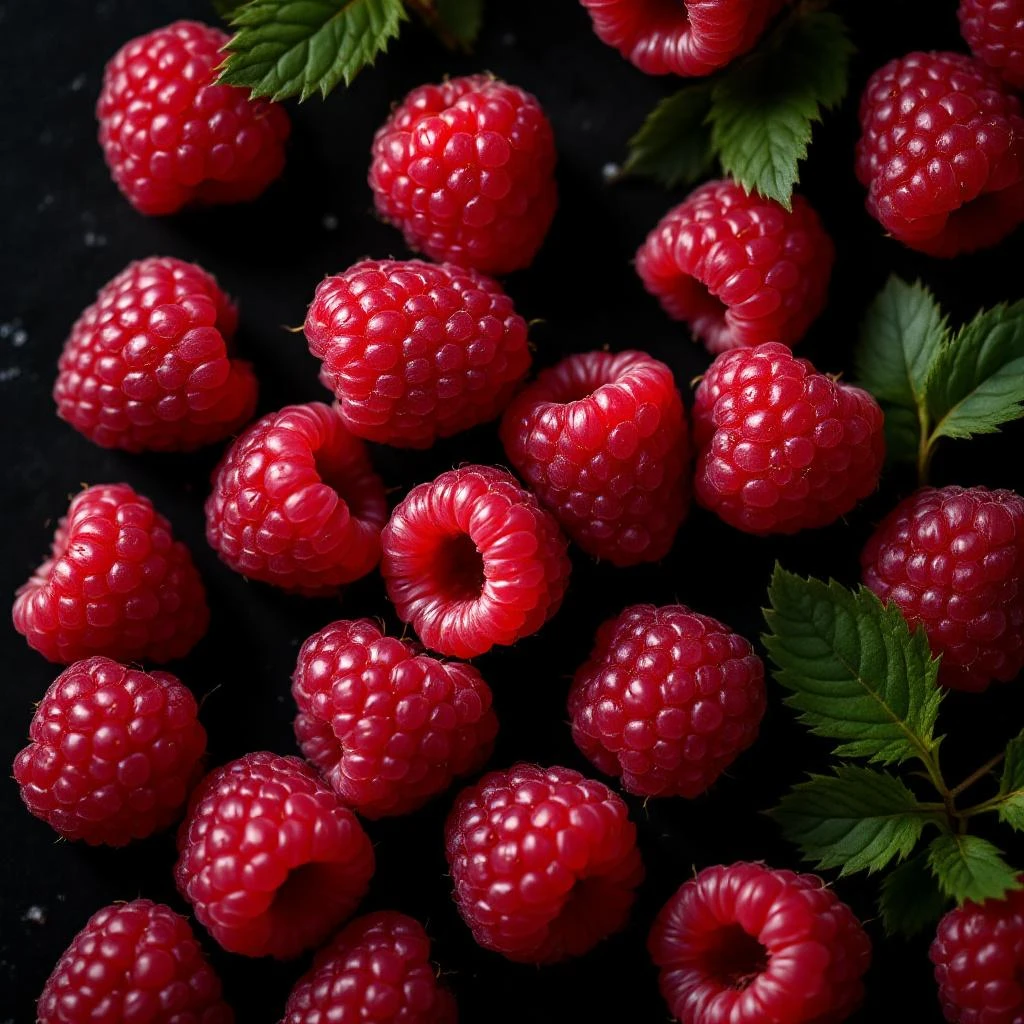
Loganberry is a natural fruit ingredient in perfumery, created by crossing raspberry with blackberry. It delivers a distinctive tart-sweet berry character that combines the floral brightness of raspberry with the deep richness of blackberry. The absolute is used sparingly to add natural fruit authenticity to modern fragrances, particularly in fruity, floral, and gourmand compositions.

Character
How it smells
A Pacific-born hybrid berry bridging raspberry's floral sweetness with blackberry's depth.
Loganberry was created in 1881 by Judge James Harvey Logan, who crossed a raspberry and a blackberry in his Santa Cruz garden to develop a new variety for preserves.





Origin
United States
The loganberry originated in 1881 when Judge James Harvey Logan, a horticulturist and jurist in Santa Cruz, California, crossed a blackberry with a raspberry in his personal garden. He was attempting to develop a berry variety ideal for making pies and preserves. The experiment succeeded so completely that the new hybrid was named after him and quickly became one of the defining fruits of the Pacific coast.
Within two decades, loganberry cultivation spread across California, Oregon, and Washington state. The fruit proved versatile, appearing in preserves, pies, wines, and the regional non-alcoholic drink called Loganberry, which remains a staple at fairs and eateries throughout the Pacific Northwest to this day. By the early 1900s, loganberry preserves had become synonymous with Pacific coast cuisine, appearing in households and cookbooks throughout the region.
The fruit's entry into perfumery came as part of a broader industry movement during the 1980s and 1990s when fragrance houses began exploring natural food ingredients as sources of authentic fruity notes. Although not a traditional perfumery ingredient like rose or jasmine, loganberry offered perfumers a distinctive aromatic profile, combining the acidity and sweetness that made it recognizable as a berry without being interchangeable with generic raspberry or blackberry notes.
Wears it best
Fragrances featuring Loganberry
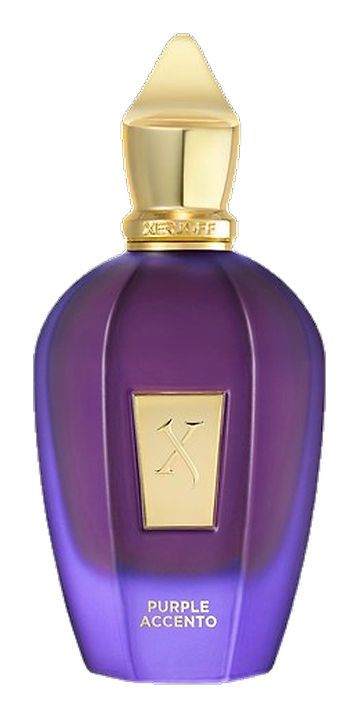
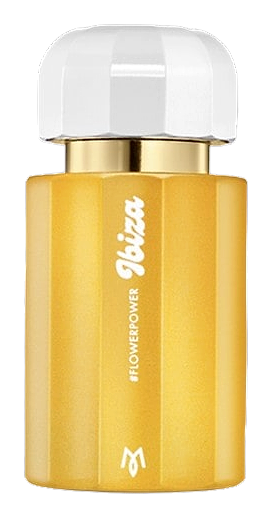
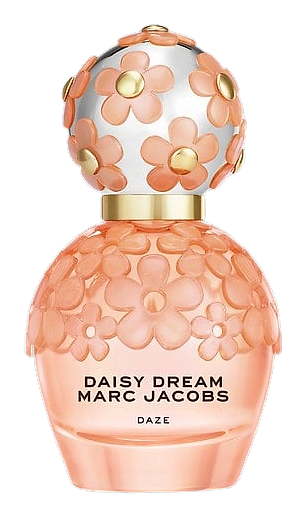
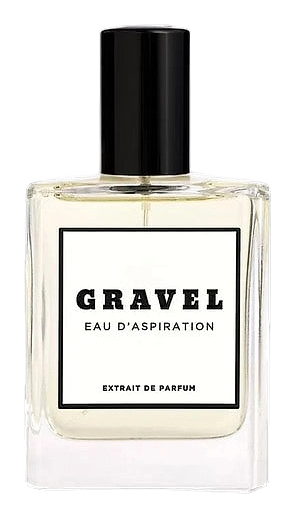
Brands
Brands known for Loganberry
Good to know
Questions, answered
The essentials on Loganberry in perfumery: how it smells, where it comes from, and how it behaves on skin.
What does Loganberry smell like in perfume?
Loganberry in perfume smells like a combination of tart and sweet, merging the floral brightness of raspberry with the deeper, richer character of blackberry. The scent carries natural acidity balanced against berry sweetness, producing an authentic fruit note that reads as fresh rather than synthetic. Natural loganberry absolute captures these qualities more fully than reconstructed aroma chemicals.
Why is Loganberry used in perfumery?
Loganberry is used in perfumery for its authentic fruit character that brings tartness and sweetness together in a way that generic berry accords cannot replicate. Perfumers add it in small concentrations, typically 0.5 to 3 percent, to reinforce the natural fruit identity of a fragrance. It works particularly well in modern fruity florals and gourmand compositions where realistic berry nuance adds credibility to the scent story.
Is Loganberry in perfume natural or synthetic?
Natural loganberry absolute exists and is produced through solvent extraction of the ripe fruit, though it commands premium pricing due to low yields. Most commercial fragrances use a combination of natural loganberry absolute at low concentration plus nature-identical aroma chemicals to create a consistent, cost-effective berry accord. This blending approach is standard across the perfume industry for fruit ingredients due to the expense of natural extracts.
What famous perfumes contain Loganberry?
Specific perfume formulations are proprietary and rarely disclosed in full ingredient lists. Within the fruity fragrance category, loganberry is most commonly associated with modern compositions from the 1990s onward that highlight berry notes, particularly from French and American houses. Fragrances featuring raspberry, blackberry, or mixed berry compositions frequently contain loganberry-derived accords, though confirming exact ingredient sourcing requires direct producer disclosure.
Is Loganberry a top note, heart note, or base note?
Loganberry functions primarily as a heart note in most fragrance compositions due to its moderate volatility. It evaporates slower than citrus top notes but faster than heavy base ingredients like sandalwood or musk. Perfumers can shift loganberry toward top-note brightness by pairing it with citrus, or toward base-note depth by combining it with warm woods and amber materials, making it a versatile bridging ingredient in the fragrance pyramid.
What notes pair well with Loganberry in perfume?
Loganberry pairs successfully with complementary notes across several families: florals such as rose, peony, and magnolia; citrus elements like bergamot and lemon; warm woods including sandalwood and cedar; creamy notes such as vanilla and white musk; and spices like pink pepper and cardamom. The berry also harmonizes well with peach, apple, and other fruit notes, creating multi-dimensional fruity compositions with natural complexity.
Where does Loganberry come from?
Loganberry was first hybridized by Judge James Harvey Logan in Santa Cruz, California in 1881 by crossing raspberry with blackberry. While developed in the United States, the fruit is now cultivated primarily in Oregon and Washington state, where the Willamette Valley growing region produces the majority of commercial supply. The specific Loganberry clone developed in California remains the standard variety used worldwide, with most natural extract production centered in North America.
Is Loganberry used in men's or women's fragrances?
Loganberry appears across both men's and women's fragrances, though it has stronger traditional association with feminine compositions where bright, playful fruit notes are common. In men's fragrance, loganberry contributes unexpected softness when combined with woods, leather, or aromatic herbs. The trend toward gender-neutral fragrance design has increased loganberry's presence in unisex compositions, particularly those aiming for modern, fresh, and fruity character signatures.