
The Story
Why it exists.
The beginning
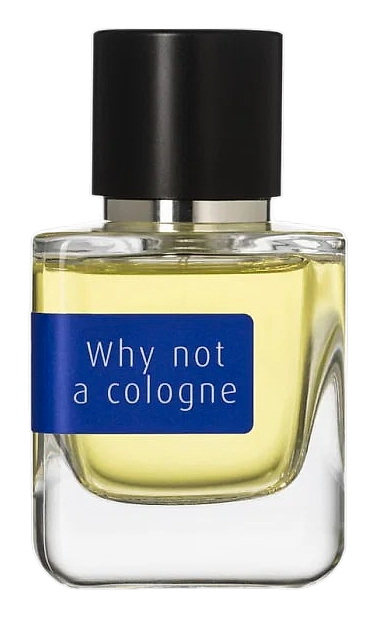
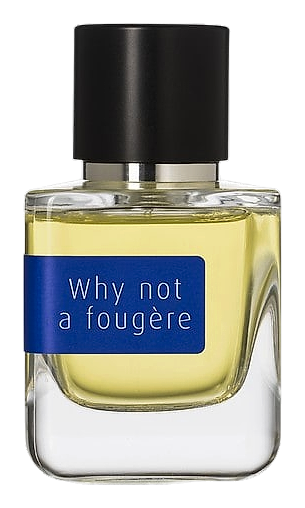
The name is the brief. Why Not a Fougère: 2022, Freedom Collection, David Chieze working alongside Mark Buxton. The classical fougère structure was already mapped, the materials well-established. Lavender, coumarin, oakmoss. The standard answer to what a fern should smell like. But the standard answer wasn't interesting enough. So instead of asking what makes a fougère, they asked what makes one feel new. The answer came from angelica. Not as a supporting note, but as the structural spine. Angelica contains Exaltolide, a natural musk already present in its seeds. The brand calls it an overdose. The effect is the same: a fougère that arrives through the back door, bypassing the traditional materials to arrive at the same destination by a stranger road. The name isn't a question because the answer was uncertain. It's a question because the brief itself was the provocation.
Angelica dominates here in a way that reshapes what a fougère can be. In classical perfumery, it plays a supporting role: green, slightly medicinal, aromatic. Here it takes center stage, and the overdose doesn't just add quantity. It changes the architecture. The result is an aromatic profile that reads as fougère, lavender, herbs, that characteristic green-floral-soapy triad, but through angelica's specific green rather than coumarin's sweetness. Exaltolide, the musk extracted from angelica seeds, provides the warmth that usually comes from coumarin. So the fougère signature is intact, but the materials that build it are not. That's the trick: same result, different chemistry.
The evolution
The opening hits fast. Cedar needles and pink pepper arrive together, a sharp one-two that announces itself before settling. Bergamot and mandarin orange lift the citrus, but the angelica is already present underneath, green and slightly medicinal, refusing to let the citrus get too comfortable. The pear arrives briefly, softens the sharpness for a moment, then disappears. It was never the point. Twenty minutes in, the herbs take over. Chamomile and sage bring a calm, slightly bitter quality. Geranium adds green brightness. Lavender does what lavender does: it anchors the fougère structure, reminds you what kind of fragrance this is. Violet and magnolia add a powdery floral layer that makes the heart feel softer than the opening suggested. The transition from citrus-green to herbal-floral happens cleanly, without the awkward middle ground that plagues less confident compositions. The drydown is where it settles. Patchouli provides the earthy base, but the osmanthus and narcissus add something unexpected: a waxy, almost animalic floral that gives the finish depth.
Cultural impact
The 2022 launch of Why Not a Fougère arrived at a moment when the fragrance industry was reexamining classical structures. The modern fougère, less lavender-coumarin-oakmoss, more green aromatics and synthetics, has found its audience among enthusiasts who want complexity without warmth or sweetness. Why Not a Fougère participates in that conversation by taking the structural logic of fougère seriously while replacing its traditional materials entirely. The result appeals to those who approach fragrance as an intellectual exercise: something to analyze, discuss, and understand rather than simply enjoy. It's a fragrance for the cooler months, for professional settings, for the kind of wearer who wants their scent to work without announcing itself.