Heritage
A house, in its own words
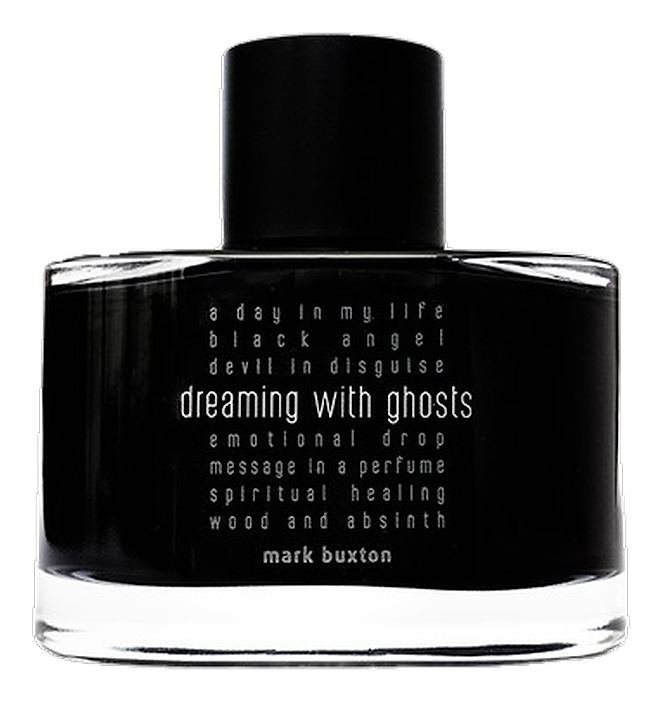
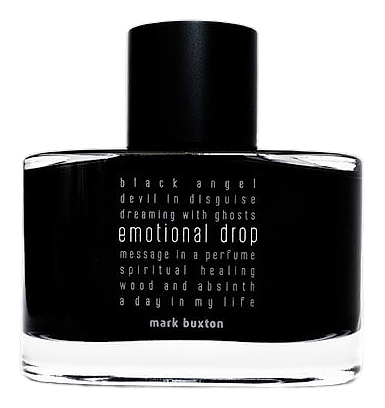
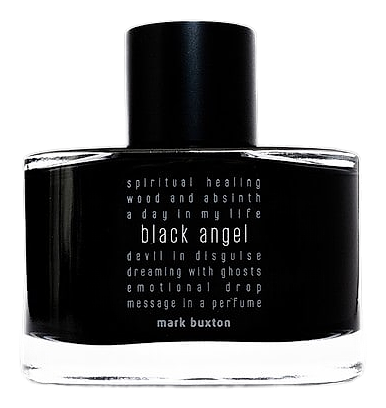
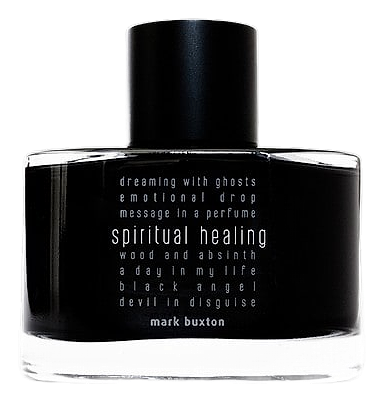
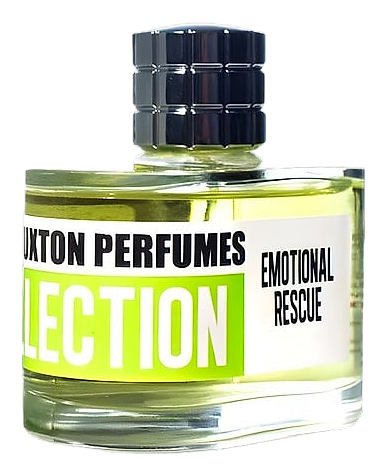
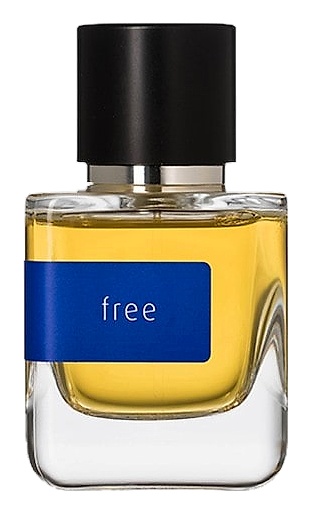
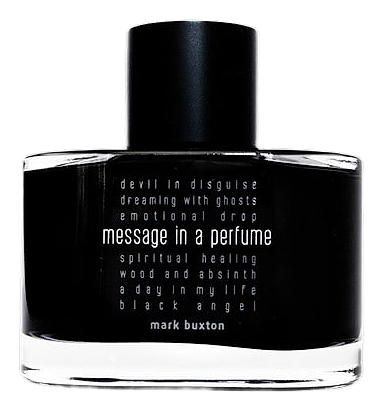
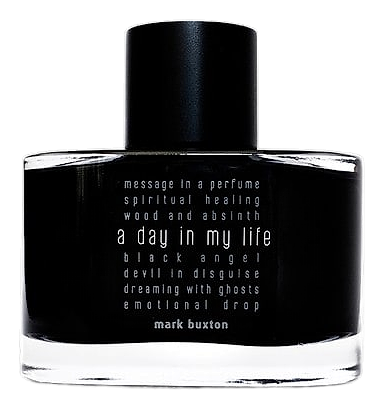
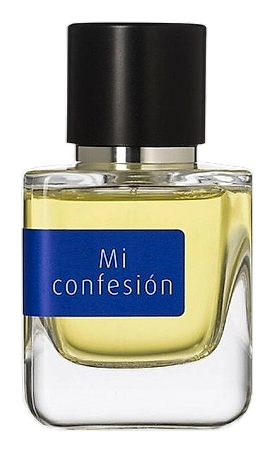
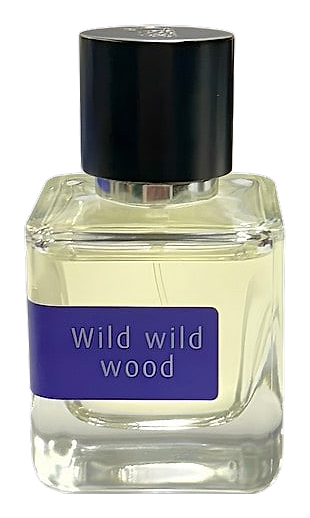
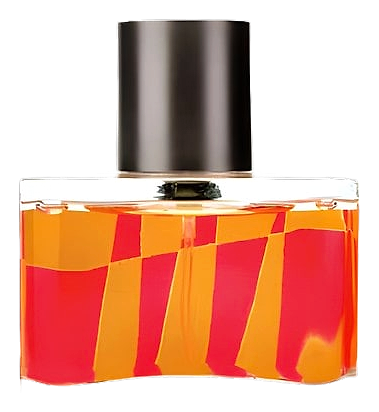
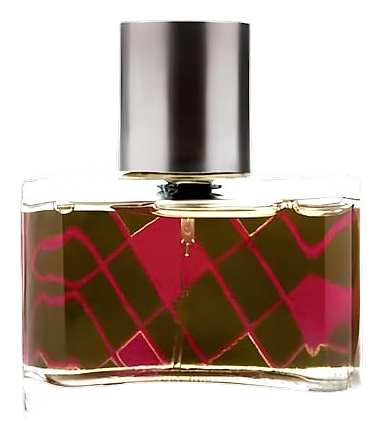
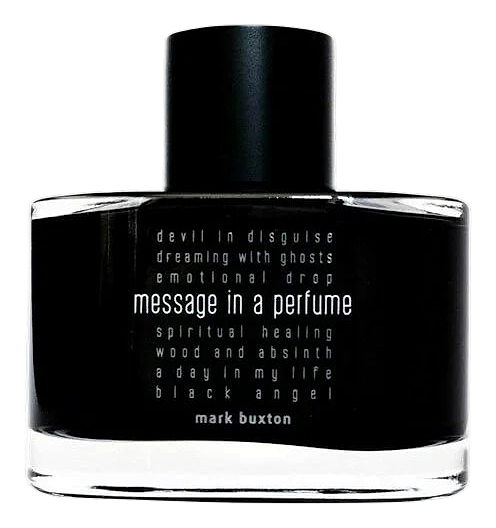
Mark Buxton was born in Derby, England and spent his childhood in Germany, a cultural mix that later informed his olfactory palette. He entered the world of fragrance by what he describes as "pure hazard" after enrolling at the Haarmann & Reimer perfumery school, where he learned the chemistry of scent and the discipline of French compounding. In the early 1990s he moved to France and began a career that would span more than thirty years, taking positions at luxury fashion and jewelry houses including Givenchy, Paco Rabanne, Versace, Salvador Dali, Chopard and Comme des Garçons. While working for these brands he contributed to a range of projects, from runway sprays to limited‑edition collaborations, gaining a reputation for precise, narrative‑driven compositions. Around 2008 Buxton released his first eponymous creations – Around Midnight, Hot Leather and Sounds & Visions – marking the debut of a personal aesthetic that favored dark, introspective accords. The following years saw a steady output of niche releases, notably Emotional Rescue in 2013 and Message in a Bottle in 2015, each accompanied by a modest press coverage that highlighted his willingness to experiment with unconventional pairings. In partnership with fellow perfumer David Chieze, Buxton co‑founded Mark Buxton Perfumes, a small laboratory situated in the 9th arrondissement of Paris. The lab operates under a philosophy of careful ingredient selection and hands‑on blending, allowing the duo to maintain creative control over every batch. 2021 proved to be a prolific year, delivering a cluster of releases – Free, Spiritual Healing, Emotional Drop, A Day In My Life and Black Angel – that explored themes of personal freedom, inner balance and nocturnal mystery. That same period the brand contributed to the scent created for Wes Anderson’s film The Grand Budapest Hotel, working alongside Nicolas Cloutier of Nose, which demonstrated Buxton’s ability to translate cinematic storytelling into olfactory form. Today the house continues to issue limited runs, each announced through a discreet channel that emphasizes the scent itself rather than hype, reinforcing a heritage built on craft, curiosity and a quiet confidence in the power of perfume to tell a story. Buxton’s creative vision rests on the idea that fragrance should act as a personal diary, a scent‑bound memory that can be opened and revisited. He often speaks of "mimicry" – the practice of borrowing gestures from art, music or film and reinterpreting them in olfactory form – as a way to keep his work grounded in cultural reference points while still allowing for surprise. The brand values transparency in sourcing, preferring ingredients that can be traced to reputable farms or reputable synthetic lines, and it avoids the over‑use of marketing hyperbole, letting the composition speak for itself. Collaboration is another pillar; the partnership with David Chieze reflects a belief that dialogue between noses can sharpen ideas and prevent creative stagnation. Buxton also emphasizes the importance of time – both the time taken to let a fragrance mature in the lab and the time a wearer spends with the scent – as essential to achieving depth and authenticity. This philosophy translates into a product line that favors nuanced, layered structures over instant impact, encouraging users to explore the evolution of a perfume from the first spray to the lingering dry‑down.