The Story
Why it exists.
The beginning
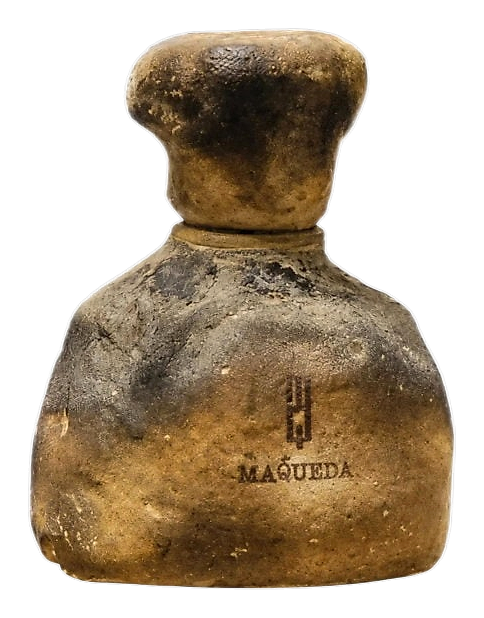
Felinus belongs to Maqueda's Molds Collection. The composition reads like a study in animalic contrast, built around materials that most houses would treat as supporting players rather than leads. Mold sits at the heart of the structure, unhidden, unsoftened by the usual polite arrangements of mainstream perfumery. The Italian house built this release around the kind of raw, textured materials that resist easy categorization. Maqueda approaches scent through an alchemical lens, drawing on older traditions of ritual and transformation rather than the cleaner logic of conventional composition. Within that framework, Felinus occupies a particular kind of territory.
What's unusual here is the honesty of the structure. Mold sits in the heart, unhidden. Castoreum and civet anchor the base alongside birch tar and patchouli, so the drydown never becomes polite. Maqueda doesn't apologize for the animalic content. The materials chosen for this composition carry a kind of unsettling vitality, the sort of textures that feel less like perfumery and more like contact with something organic and breathing. Felinus commits fully to that sensibility. The animalic notes aren't buried beneath fruit or flowers waiting for the base to reveal them.
The evolution
The opening feels almost edible. Chamomile and yuzu come forward with a herbal-citrus snap, and black pepper with cardamom sets a dry, slightly burning edge underneath. Lime leaf threads through, keeping things green and sharp. Then something shifts. The yuzu recedes, and beeswax arrives with a waxy, honeycomb density that changes the entire texture of the composition. Peach softens the middle while orris root adds a powdery, root-vegetable earthiness, pulling the scent away from the bright citrus register and into something deeper, more vegetal, more grounded. And then the mold note, which sounds like a gimmick until you smell it. It smells like damp stone, like the underside of a forest log, like petrichor filtered through old plaster. The accord settles into the composition without announcing itself, more felt than announced, shifting the entire mood of the wear.
Cultural impact
Felinus draws a particular kind of wearer, the sort already fluent in animalic territory and comfortable with materials that don't flatter on first contact. The composition speaks to people who treat fragrance as a site of experimentation rather than a tool for broad social appeal. It belongs to a category of indie work that prioritizes material integrity over crowd-pleasing structures, and the conversation around it tends to reflect that. Collectors who respond to Felinus usually arrive at it through a longer arc of niche exploration, having worked through other challenging releases before arriving at something this direct.