Mold
The earthy, damp essence of petrichor captured in a bottle. Mold brings the scent of rain-soaked soil and musty cellars into perfumery, evoking the primal connection between humanity and the land.

Character
How it smells
Earth after rain, captured.
Humans can detect geosmin at 0.1 parts per billion, making it one of the most powerful aroma chemicals in existence.




Origin
Greece
Perfumery has always sought the earthy, damp qualities that mold represents. Before chemistry identified geosmin, perfumers approximated this note with oakmoss, vetiver, and even damp earth enfleurage.
Ancient perfumers used moistened clay and rain-soaked soil to capture petrichor effects in their creations. The compound itself remained unknown until soil scientists isolated it in the 1960s, determining its structure and confirming its role in that distinctive post-rain smell.
The synthesis followed soon after, giving modern perfumers reliable access to this ancient quality. Today, geosmin appears in contemporary fragrances designed to evoke rain-soaked earth, though perfumers handle it with precision, as overuse produces musty basement rather than fresh petrichor.
Wears it best
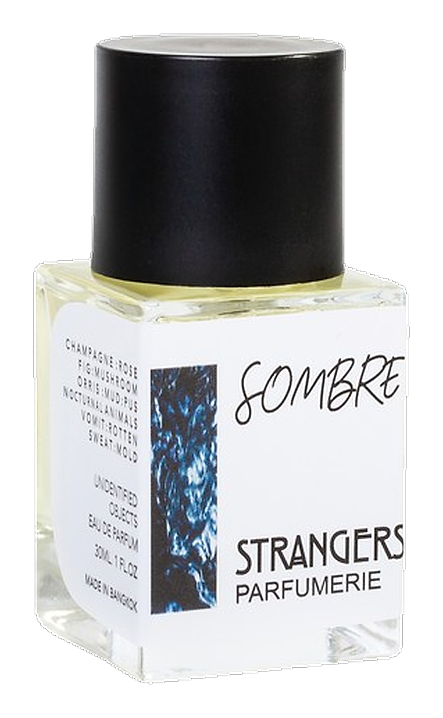
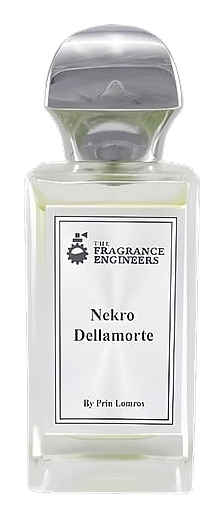
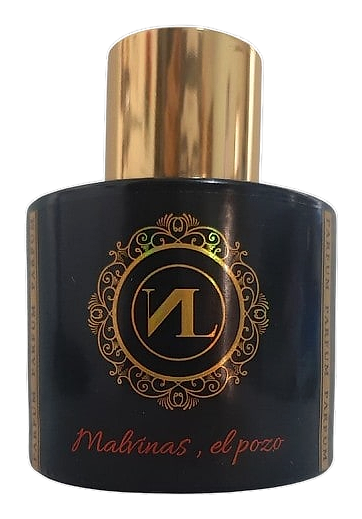
Fragrances featuring Mold
Brands
Brands known for Mold
Good to know
Questions, answered
The essentials on Mold in perfumery: how it smells, where it comes from, and how it behaves on skin.
What is the mold note in perfumery?
The mold note refers to earthy, damp qualities in fragrance, primarily achieved through geosmin. This compound creates the petrichor effect, the pleasant smell after rainfall. Perfumery uses this note to evoke wet soil, damp cellars, and fresh earth after rain.
Is the mold note natural or synthetic?
It can be both. Geosmin occurs naturally in soil, seawater, and beetroot. However, perfumers typically use synthetic geosmin because natural sources vary too much in concentration and purity for consistent fragrance production.
What does the mold note smell like?
The mold note smells like petrichor, damp earth, and fresh soil after rainfall. It carries musty undertones reminiscent of old basements and forest floors. The effect is earthy, moist, and deeply grounded.
What fragrances feature this note?
The mold note appears across chypre fragrances, patchouli bases, orientals, and contemporary petrichor compositions. It works particularly well in fragrances designed to evoke rainy seasons, forest walks, or damp earth.
How is geosmin produced for perfumery?
Perfumery-grade geosmin is produced via biotechnological fermentation using modified microorganisms. The process converts terpene precursors into geosmin through controlled biochemical pathways. After fermentation, the compound undergoes solvent extraction and purification.
Is the mold note safe for skin contact?
Yes, geosmin is approved for cosmetic and fragrance use. It occurs naturally in foods like beetroot and is considered safe at the low concentrations used in perfumery. Regulatory bodies have established usage limits for consumer products.
What ingredients pair well with the mold note?
Geosmin pairs well with patchouli, vetiver, oakmoss, and cedarwood for earthy depth. Marine notes create fresh petrichor effects. Florals like violet and iris add complexity. This versatility makes it valuable in modern perfumery.
How does the mold note differ from mushroom or truffle notes?
While both are earthy, mushroom and truffle notes carry savory, umami qualities. The mold note specifically evokes petrichor, damp soil, and basement must rather than the edible fungus character found in other ingredients.