The Story
Why it exists.
The beginning
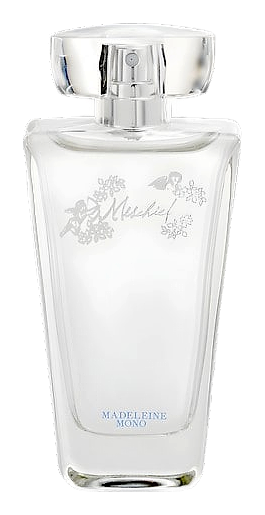
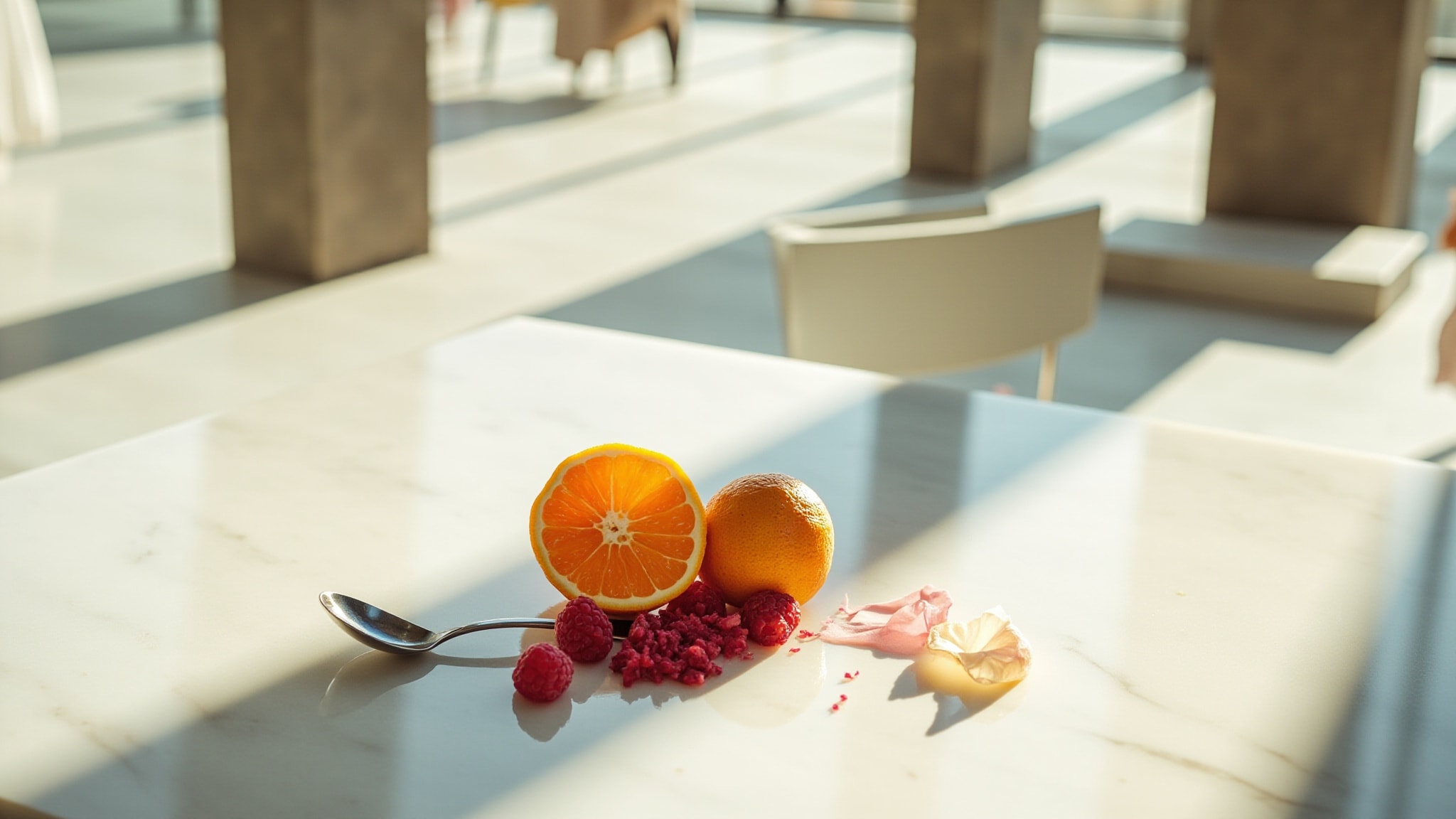
Mischief began with a single creative spark that demanded something cheeky and immediate rather than meditative. The brief that shaped the formula centered on one idea: capturing the rush of a stolen bite of ripe fruit and the half-guilty grin that follows. That playful impulse became the working brief handed to the perfumer, whose task was to bottle mischief in its most wearable form. Working with Hugh Spencer of Spenarome, the project took shape as an eau de parfum built around raspberry, rose otto, and mandarin in a way that kept the fruit crisp rather than overcooked. Spencer approached the formula with the kind of restraint the concept demanded: bright on top, soft in the middle, and never drifting into syrup or powder.
The first round of working samples drew strong reactions from everyone who pressed them to skin, and that reaction only sharpened with each adjustment. The fruit accord kept threatening to slide toward candied jam, so the rose was eased down and the mandarin lifted to keep the opening alive and sharp. That balance became the spine of the formula: raspberry and rose speaking to each other, with mandarin running interference so neither tips over. The composition settled into a shape that feels deliberate and assured, never apologetic for its sweetness.
The evolution
Mischief launched in 2013 as an eau de parfum, and it remains the centerpiece of the line today. The fragrance is offered in a 3.3 fl. oz. (100 ml) EDP presentation, sized for generous daily wear rather than timid dabbing. The juice itself is built on a tight pyramid of raspberry, mandarin, rose otto, peony, violet, white musk, and amber, with each note given room to breathe rather than crushed into a single chord. On skin the raspberry hits first, bright and almost fizzy, then the mandarin pulls it forward and keeps the fruit from collapsing into syrup. The rose ottos settle in just behind the opening fruit, lending a dewy, almost wet petal quality that softens the sweetness without dulling it. Peony and violet add a quiet floral hush in the middle, tucking the rose into a bouquet rather than letting it stand alone.
Cultural impact
Mischief arrived as a small, deliberately playful statement inside a fragrance landscape that often takes itself very seriously. The composition takes rose, a note with centuries of association behind it, and refuses to let it behave like an heirloom. By pairing the rose with raspberry and mandarin, the formula keeps the floral element lively and immediate, more like a petal caught in a breeze than a bouquet pinned to a lapel. That tonal choice gives the scent a freshness that reads as modern without trying too hard to prove it.
The House
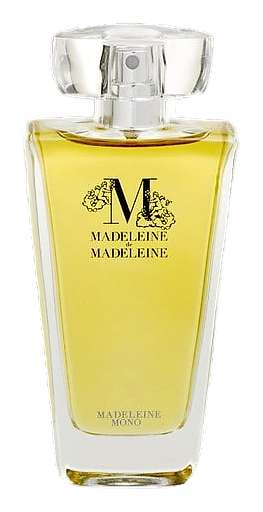
Madeleine MonoMadeleine Mono occupies a singular position in the landscape of independent French perfumery. The designer introduced her debut fragrance, Madeleine de Madeleine, in 1978 to what sources describe as notable recognition within niche fragrance circles. This inaugural work established a template for bold, dramatic olfactory statements that would define her approach. Her second major release, Mischief, arrived in 2013, marking a significant creative evolution over three and a half decades. Seven perfumes are attributed to the brand, suggesting sustained appreciation among serious fragrance collectors. Barbara Herman, founder of Eris Parfums and a recognized voice in independent perfumery, referenced Madeleine Mono in 2025 as an example of respected niche houses serving scents with storied history. The brand maintains a deliberately limited output, with decades separating major releases, positioning its work as considered rather than prolific.
The Creator
Hugh SpencerSpencer’s signature technique blends classic French structure with an American willingness to experiment. He frequently layers a bright floral opening with a creamy, slightly sweet heart, then anchors the composition with a warm, animalic base that lingers on the skin.