The Story
Why it exists.
The beginning
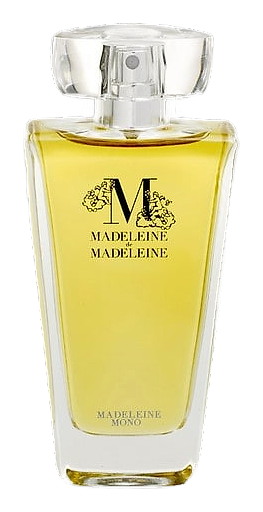
Madeleine Mono launched her debut fragrance in 1978, a bold move in an industry where independent women perfumers were uncommon. The name says it all: Madeleine de Madeleine. She didn't create a perfume. She created herself, bottled. At the launch, she put it plainly: "Sure the world has many fragrances, but it doesn't have mine." That confidence wasn't marketing. It was the point. The Glitter Queen had arrived, and she wasn't blending in.
What makes the composition unusual is its structure: most lush florals lead with sweetness, but this one opens green. The hyacinth gives the peach and bergamot an herbal counterpoint, something sharp and alive before the cream arrives. Then the heart layers eight floral materials without muddying them: tuberose as the anchor, jasmine and orange blossom amplifying the richness, geranium and coriander adding green spice, violet and lily of the valley softening the edges, osmanthus bringing its unique apricot-floral note. The result is a white floral that feels complex rather than heavy, bold without cloying.
The evolution
The opening arrives crisp and fruity: peach and mandarin bright against bergamot's citrus, the hyacinth giving it an unexpected green edge. For the first thirty minutes, it reads almost fresh, a deceptive gentleness before the turn. The heart takes over gradually, tuberose asserting itself with that creamy, slightly animalic presence that defines the fragrance. Jasmine and orange blossom pile on. The sillage swells. By hour two, you're wearing something that announces itself. The drydown is where it becomes intimate, oakmoss and vetiver grounding the florals into earth, sandalwood adding warmth, iris and tolu balsam creating a powdery finish that stays close to the skin. On fabric, it lingers until the next wash.
Cultural impact
Madeleine de Madeleine occupies a specific corner of niche fragrance history: the bold, dramatic white floral released before the niche boom made such compositions fashionable. It shares territory with tuberose-forward classics of the 1970s and 1980s, though the powdery drydown and green opening give it a distinct character. For those seeking dramatic florals without the sweetness of modern interpretations, it remains a reference point.