The Story
Why it exists.
The beginning
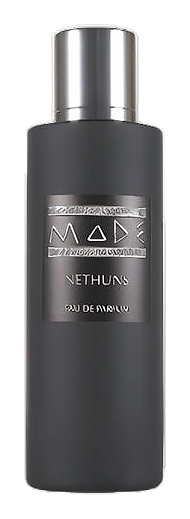
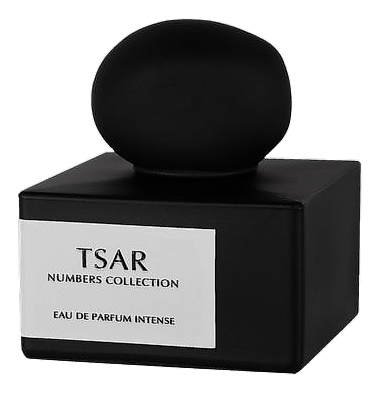
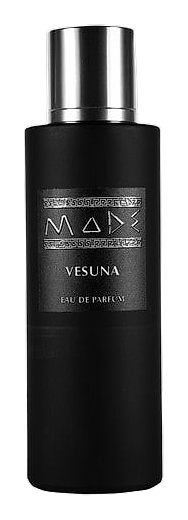
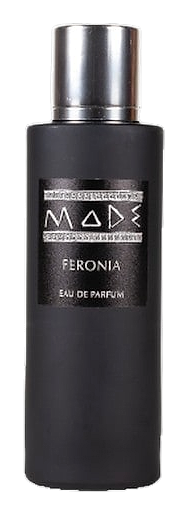
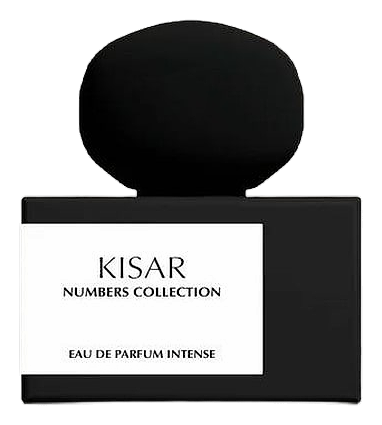
Zalsar carries a number disguised as a name. In the Etruscan language, the word translates to twelve, marking this as the twelfth composition from Made, a contemporary house whose numbering tradition draws on Etruscan linguistic roots. Zalsar joins siblings like Nethuns, Feronia, Turan, and Vesuna, names pulled from an ancient Italian civilization that predates the mythology most perfumers rely on. The numbering convention suggests something deliberate: a system where each release occupies its own position, not as a character but as an entry in an unfolding series. Twelve carries weight in many ancient traditions, a number associated with cycles, completions, and the kind of significance that early civilizations wove into their calendars and cosmologies.
What makes Zalsar distinctive within Made's catalog is the marriage of sandalwood and animalic musk across every phase. Sandalwood appears in the top, heart, and base. This isn't a supporting note. It's the load-bearing wall. Around it, cypriol adds a smoked root quality that separates it from standard woody offerings, while guaiac wood and ebony deepen the base into something closer to scorched timber than polished furniture. Coca leaf and silver in the opening is an unusual pairing.
The evolution
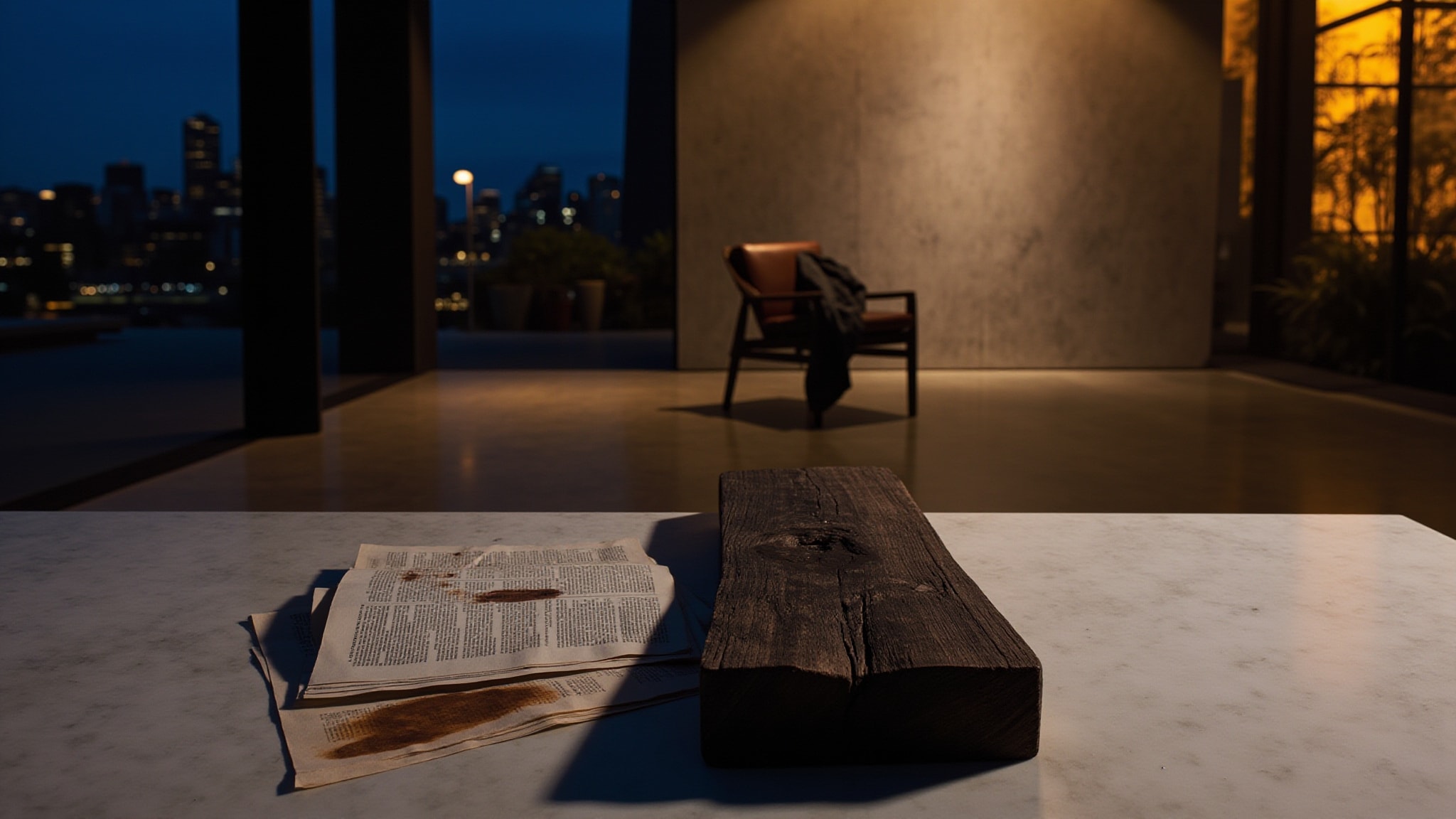
The opening hits with a strange metallic clarity. Coca leaf and silver cut through the neroli's citrus sweetness, creating a brief, almost cold sensation, like touching something polished in a warm room. Sandalwood and patchouli are already underneath, but they hold back. They wait. The heart takes command as the composition settles. Guaiac wood and cypriol arrive together, bringing a smoked, leathery density that swallows the opening's brightness whole. Animalic musk surfaces here, not as a background hum but as a presence. Warm, slightly sweet, unmistakably bodily. The sandalwood cream thickens around it. This is where the fragrance becomes something the room senses exist. The drydown is where Zalsar earns its reputation. Sandalwood and frankincense settle into a low, resinous hum. Ebony adds a dense, almost black wood quality that doesn't sweeten. The animalic musk doesn't fade.
Cultural impact
Zalsar stands as one of the heavier, more animalic entries from the house, a turn toward smoke and musk that defines its character. Wearers reaching for this profile typically want something that announces intention rather than taste. It pulls from a tradition of leather-resin compositions that emphasize weight and presence over brightness, positioning it firmly in territory that favors depth over decoration.