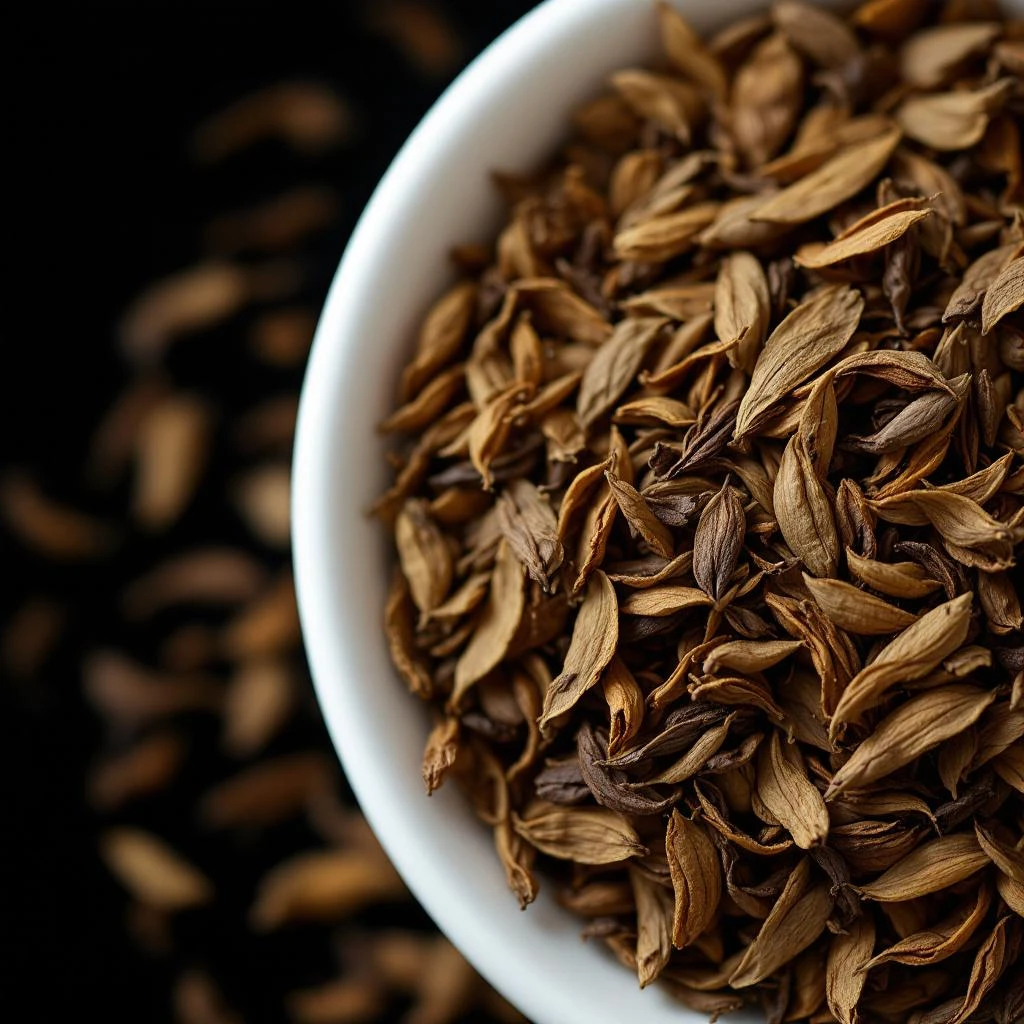
Coca Leaf
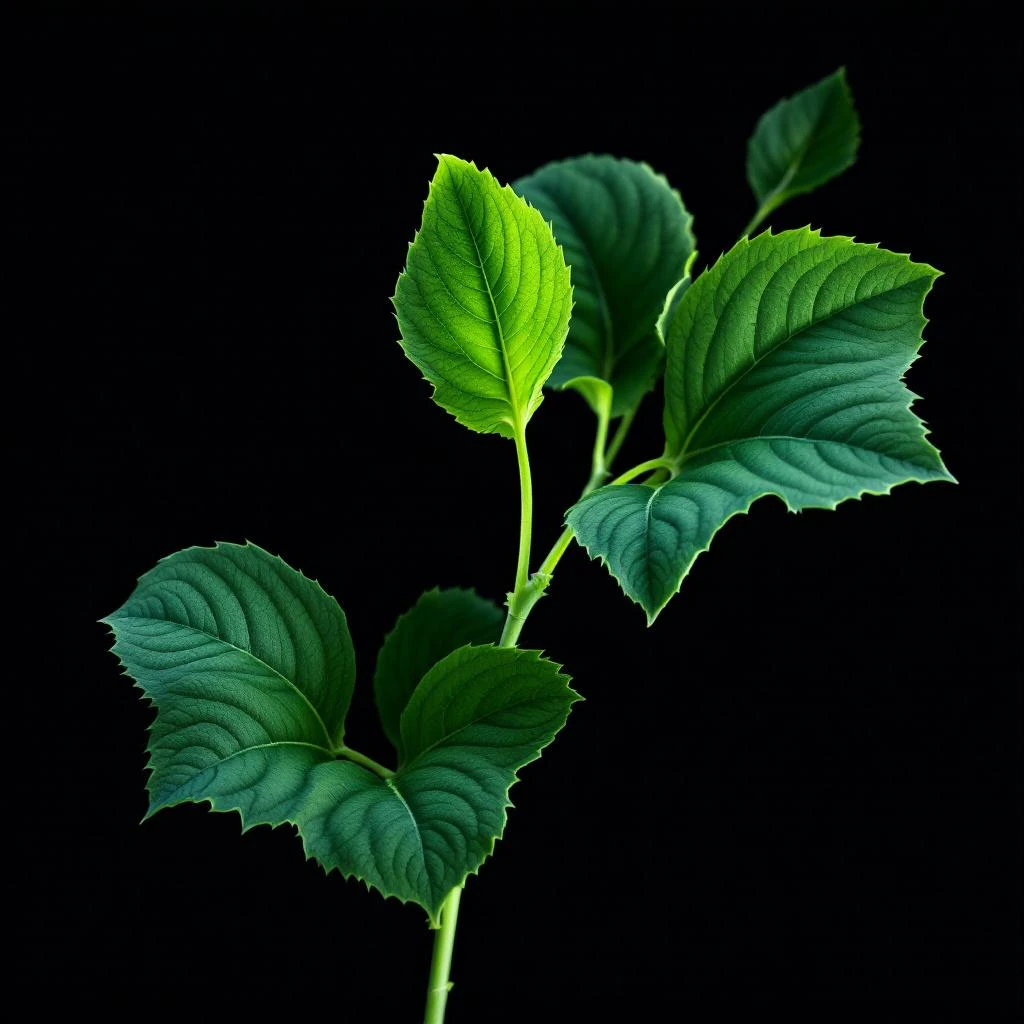
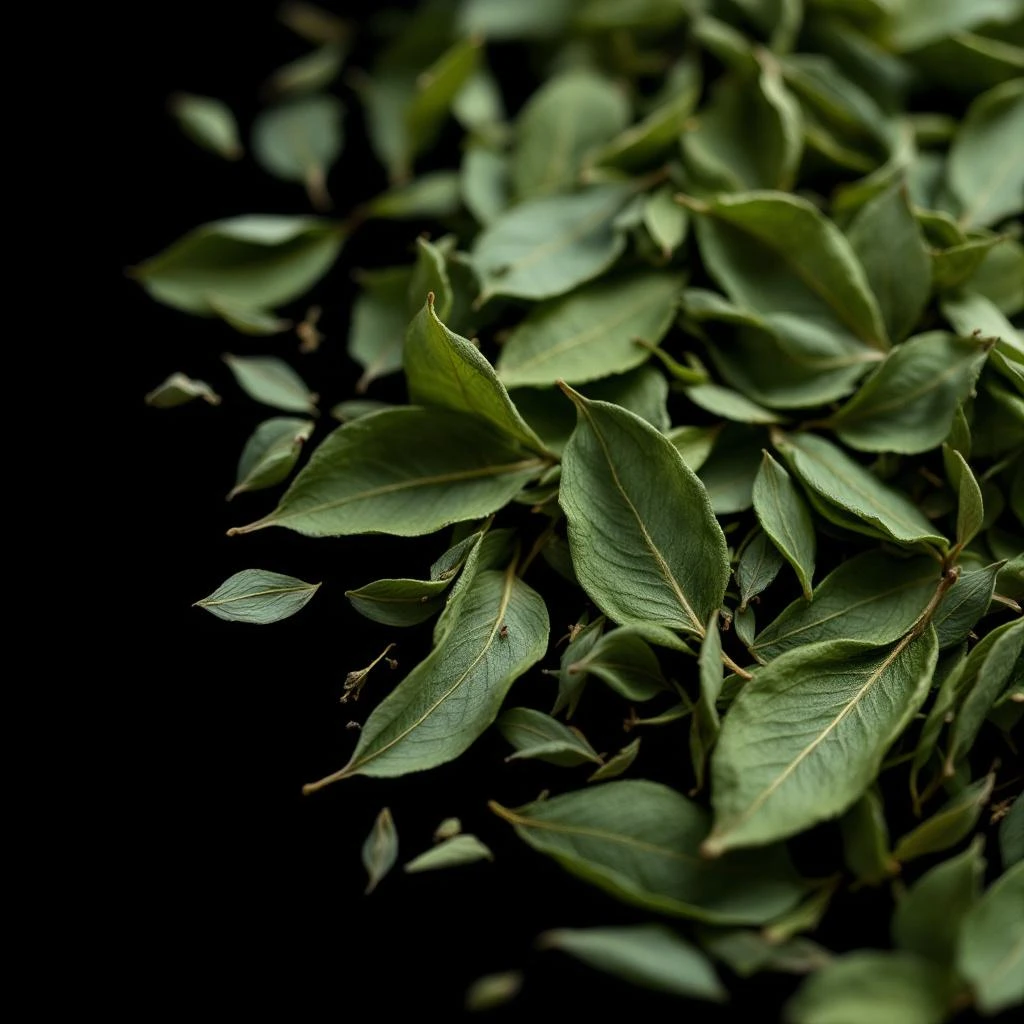
Coca leaf offers a bright, herbaceous aroma with subtle citrus and green notes, echoing the high Andes where the plant thrives. Its fresh, slightly bitter edge adds a natural lift to modern blends.
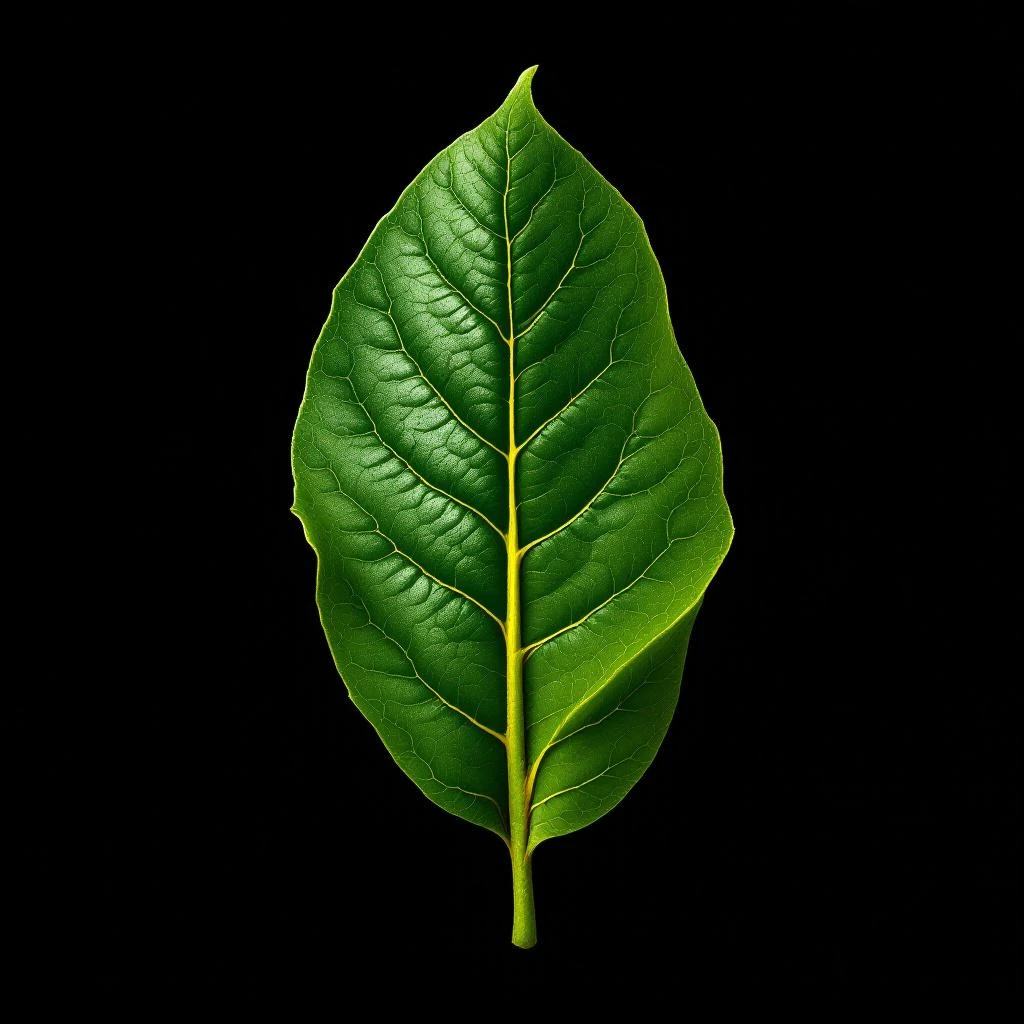
Character
How it smells
Andean green spark that lifts any blend.
Coca leaves have been chewed for at least 8,000 years, a practice that predates the Inca Empire by millennia and continues in remote Andean communities today.




Origin
Peru
Archaeologists have traced coca leaf chewing to at least 8,000 years ago, with remnants found in Peru’s Nanchoc Valley. Indigenous Andean cultures prized the leaf as a natural stimulant, using it in rituals, medicine, and daily life. Spanish colonists documented coca’s energizing effect in the 16th century, noting its role in high-altitude labor.
In 1860, German chemist Albert Niemann isolated cocaine, the leaf’s primary alkaloid, sparking a wave of medical and recreational use. Coca-Cola incorporated spent coca leaves as a flavoring from 1886 until 1903, when the company switched to a decocainized extract produced by the Stepan Company. Throughout the 20th century, international drug treaties restricted raw coca, but the decocainized extract remained legal for flavor and limited perfumery applications.
Today, the leaf’s heritage lives on in niche fragrances that honor its ancient Andean roots while complying with modern regulations.
Wears it best
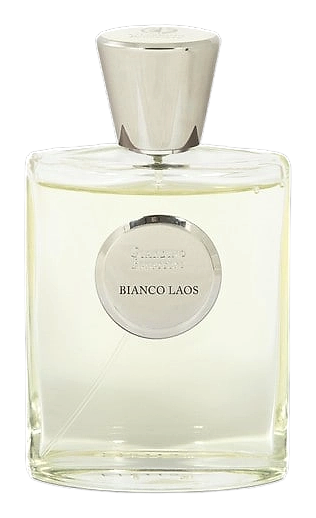
Fragrances featuring Coca Leaf
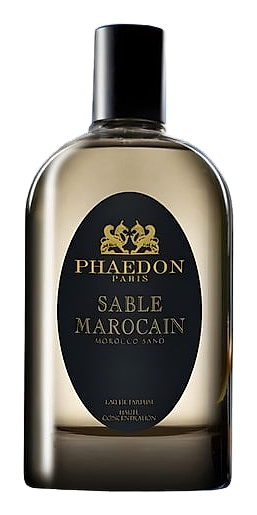
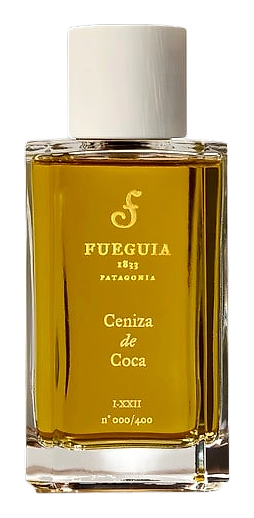
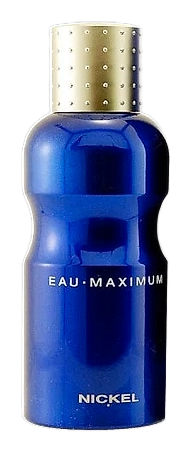
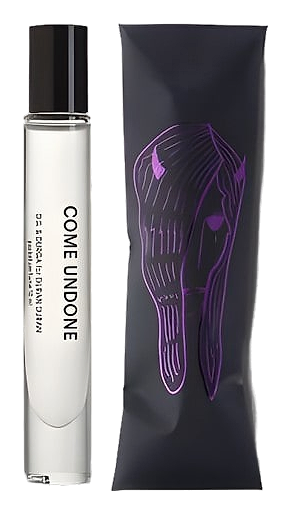
Brands
Brands known for Coca Leaf
Good to know
Questions, answered
The essentials on Coca Leaf in perfumery: how it smells, where it comes from, and how it behaves on skin.
What scent does coca leaf contribute to a perfume?
Coca leaf adds a fresh, herbaceous green note with a faint citrus edge and a mild bitterness. The aroma resembles crushed foliage and a subtle minty lift, helping to brighten top accords. A typical perfumery evaluation notes its effect in a 0.5‑1 % usage range.
Is coca leaf legal for use in modern perfumery?
Coca leaf is permitted in perfumery only after the alkaloid cocaine is removed. Regulations in the United States and the European Union require a decocainized extract for cosmetic use. The 2021 EU Cosmetic Regulation lists it under Annex II as a restricted natural ingredient.
How is the cocaine alkaloid removed from coca leaf before fragrance use?
The alkaloid is stripped by washing the dried leaves with a basic solvent, then filtering out the cocaine base. In 1903 the Coca‑Cola Company partnered with the Stepan Company to produce a decocainized flavor extract using this method. The process removes over 99.9 % of cocaine.
Which regions produce coca leaf for fragrance extraction?
Coca leaf thrives in the high Andes of Peru, Bolivia, and Colombia, between 1,500 and 2,500 m elevation. The Peruvian region of Cusco reports an average annual harvest of 1.2 million kg. These conditions give the plant its distinctive bright green character unique.
Does chewing coca leaf have a stimulant effect?
Chewing coca leaves provides a mild stimulant effect, raising alertness without the crash of synthetic caffeine. A 2015 clinical study measured a 15 % increase in heart rate after participants chewed 2 g of fresh leaves for 30 minutes. The effect stems from trace alkaloids other than cocaine.
What concentration of coca leaf extract is typical in perfume formulas?
Typical perfume formulas use coca leaf extract at concentrations between 0.1 % and 2 %. This range balances its bright top note with the stability of the base accord. In 2020, a leading niche house reported using 0.8 % in a new citrus‑green blend.
Are there synthetic alternatives to natural coca leaf aroma?
Synthetic analogues mimic coca leaf’s green profile without natural sourcing. Aromachemical 3‑methyl‑2‑buten‑1‑ol reproduces the leaf’s crisp edge and is produced via petrochemical routes. The synthetic version entered the market in 2014 and now supplies 60 % of green notes in modern perfumery.
How does coca leaf differ from other green fragrance notes?
Coca leaf differs from other green notes like galbanum or basil by its subtle bitterness and a faint citrus spark. While galbanum offers a sharp, resinous green, coca leaf provides a softer, more rounded foliage scent. A 2018 sensory panel rated coca leaf as the most balanced green among five tested.