Argentinian Maté
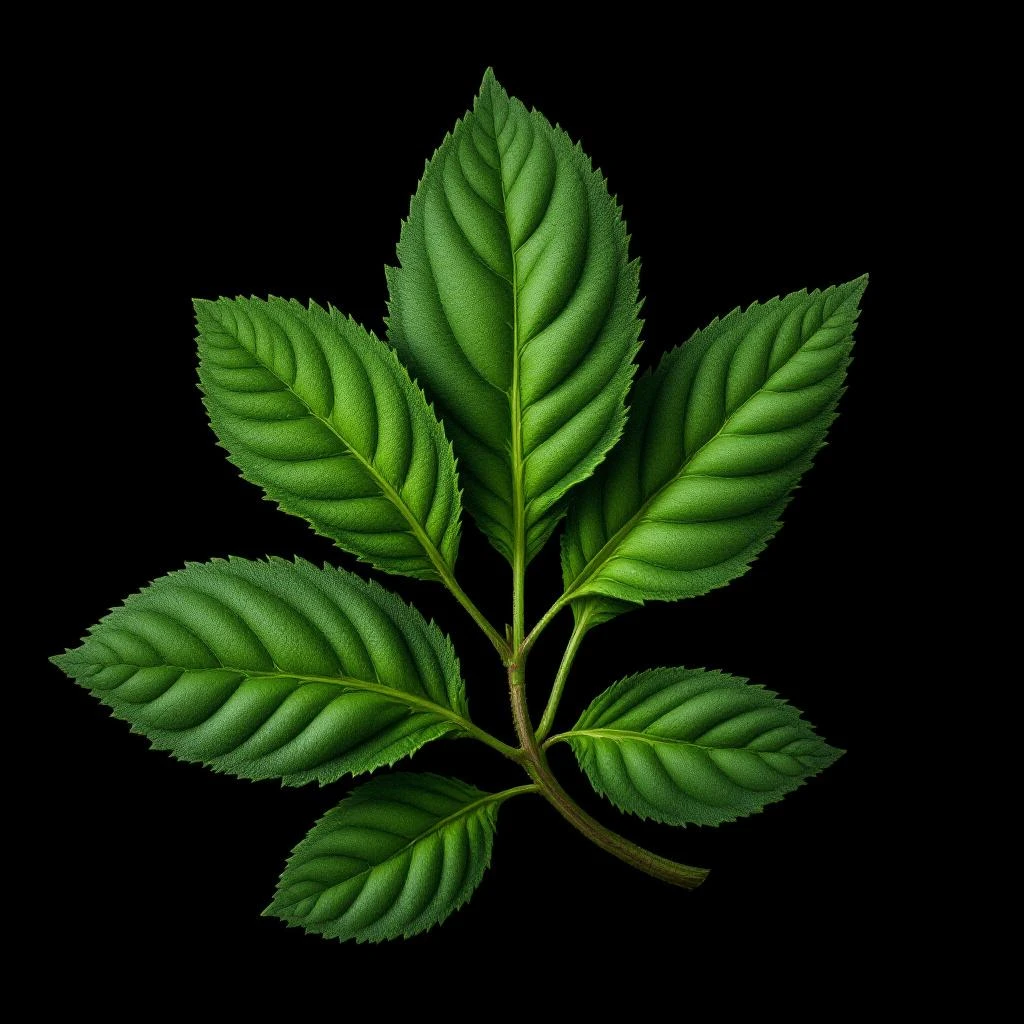
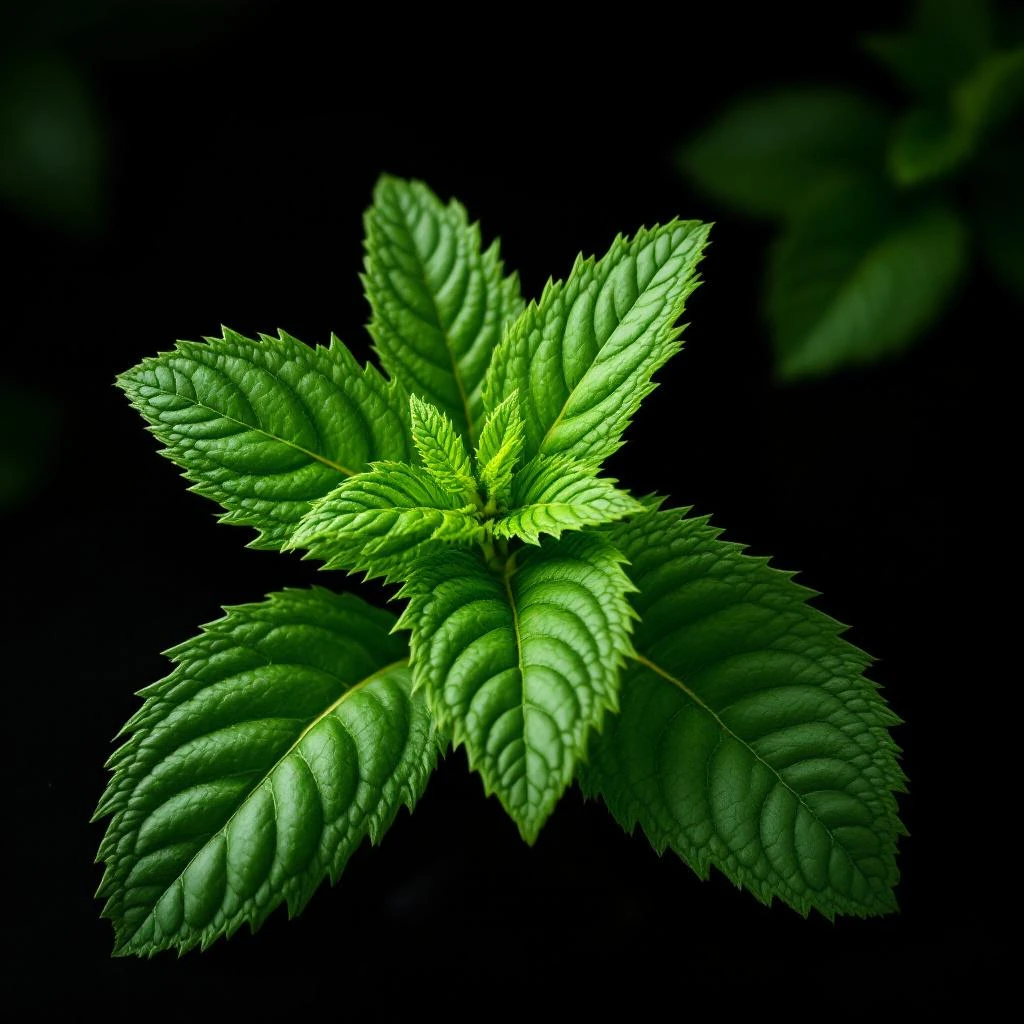
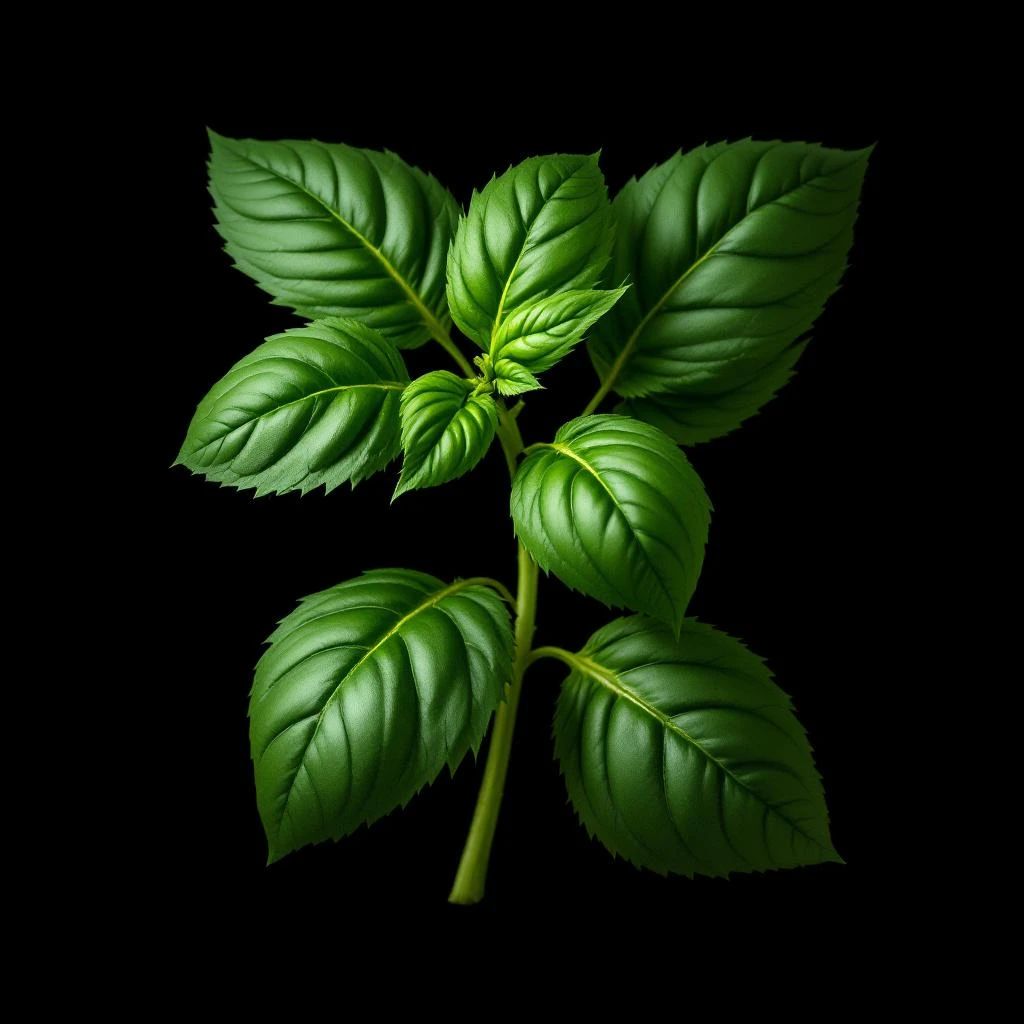
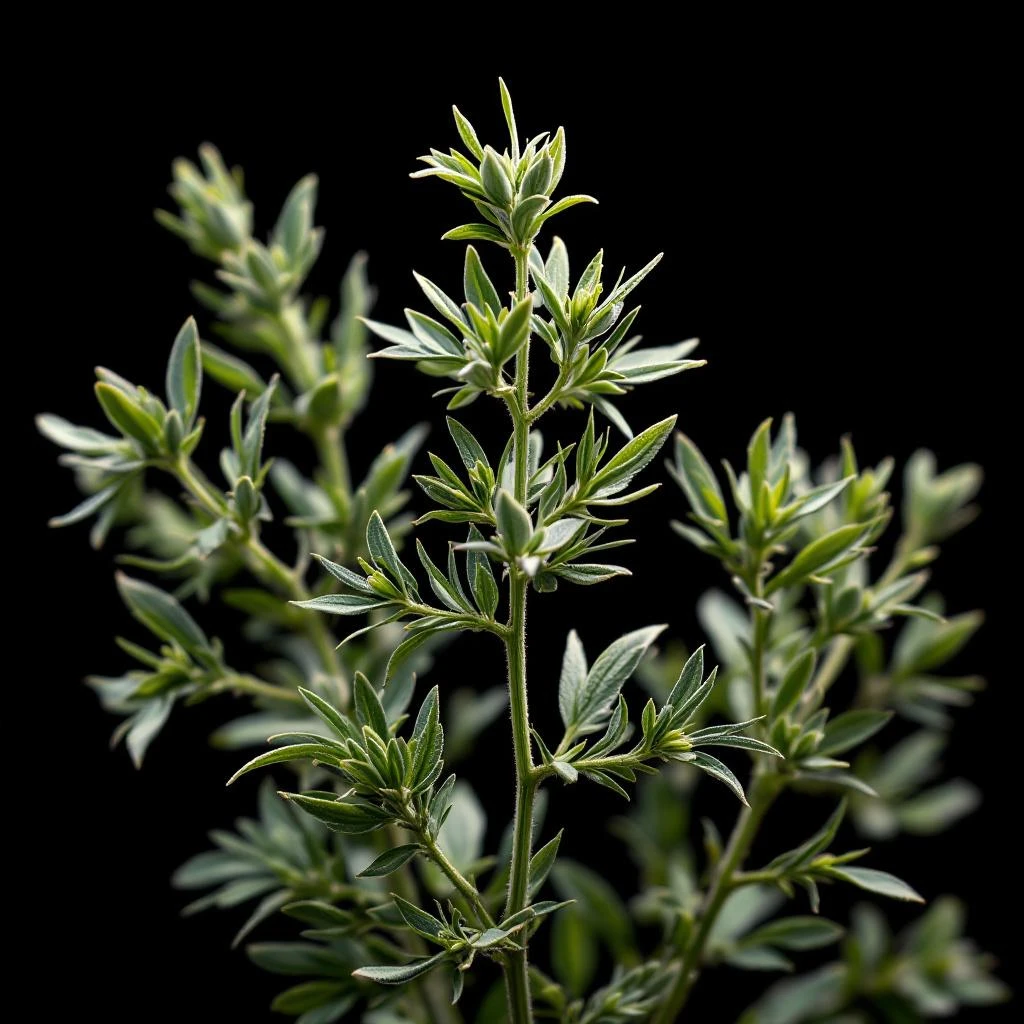
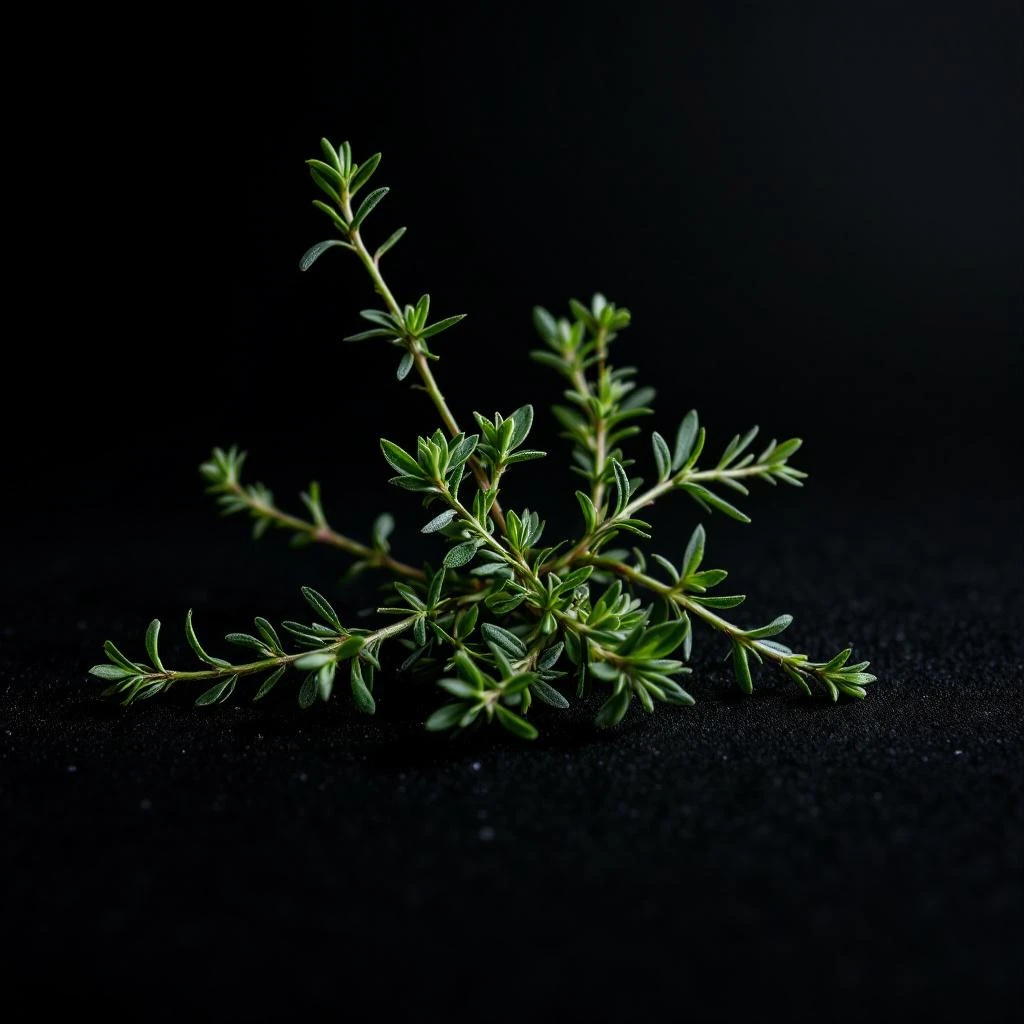
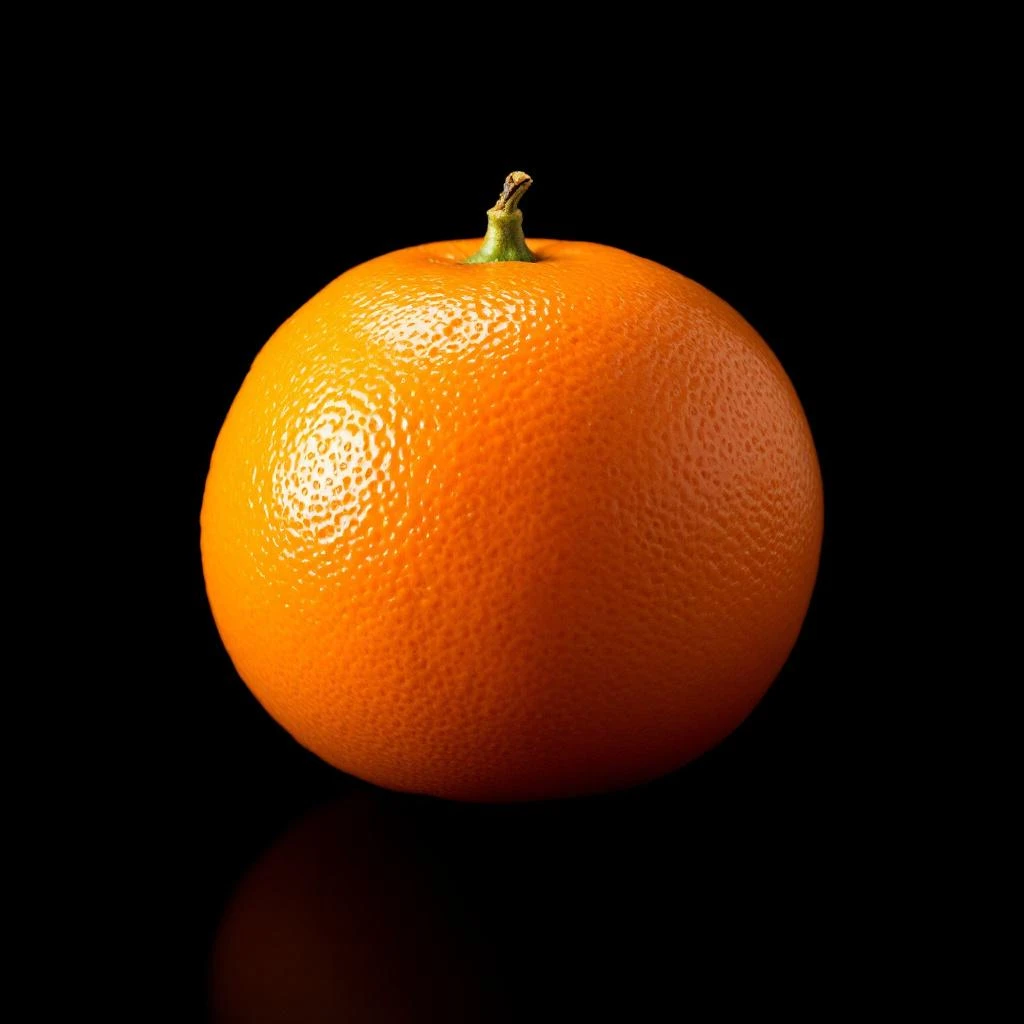
Argentinian maté captures the bold, smoky-green spirit of South America's iconic drink. Distilled from wild-harvested leaves, it brings a distinctive bitter-fresh character and caffeine-charged vitality to perfumery, lending fragrances an aromatic intensity that feels both grounding and energizing.
Character
How it smells
The bold, herbaceous soul of South American ritual.
Argentina produces approximately 1.4 million tons of yerba mate annually, making it the world's largest producer of this culturally significant herb.



Origin
Argentina
Mate has deep roots in South American culture, consumed by indigenous Guaraní and Tupi peoples long before European arrival. These communities cultivated the plant across what is now Paraguay, northeastern Argentina, and southern Brazil, using it in ritual and daily life. The 19th-century explorer Joseph Hooker documented widespread mate consumption among indigenous populations, noting its central role in regional culture.
European colonization transformed mate from a sacred indigenous practice into a commodity. Colonial powers recognized its economic potential, establishing plantations and trade networks. In Argentina specifically, mate became inseparable from national identity. Scholars describe its history there as a cycle of conquest, cultural erasure, and revival. Today, Argentina leads global production, with an estimated 1.4 million tons harvested annually across the three main producing countries. This agricultural scale reflects centuries of cultural importance, where mate continues to serve as a social ritual shared across generations.
Wears it best
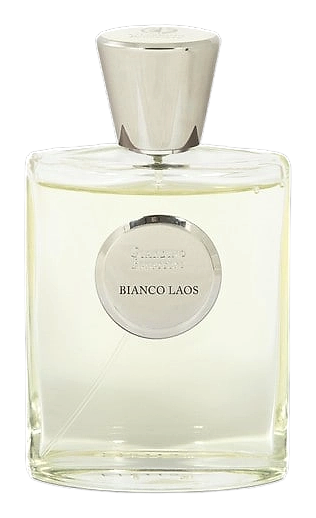
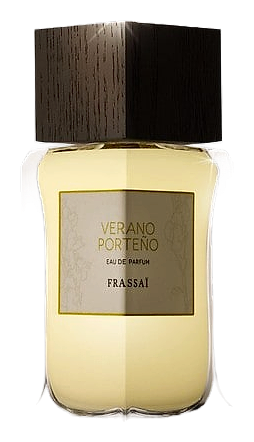
Fragrances featuring Argentinian Maté
Brands
Brands known for Argentinian Maté
Good to know
Questions, answered
The essentials on Argentinian Maté in perfumery: how it smells, where it comes from, and how it behaves on skin.
What is Argentinian maté in perfumery?
Argentinian maté is a fragrance ingredient extracted from the dried leaves of Ilex paraguariensis. It delivers a bold, smoky-green character reminiscent of the beloved South American drink, bringing bitter-fresh herbal notes to fragrance compositions.
Why is mate culturally significant in South America?
Mate has been consumed by indigenous Guaraní and Tupi peoples for centuries, serving as both a sacred ritual drink and a social tradition. It remains central to daily life across Argentina, Brazil, Paraguay, and Uruguay.
How is mate absolute produced?
Manufacturers extract mate absolute primarily in France using volatile solvents applied to dried mate leaves. This solvent extraction yields a concentrated material with a naturally dark color and complex aromatic profile.
What does mate absolute smell like?
Mate absolute presents a complex aroma combining green, herbaceous top notes with darker, almost tobacco-like undertones. A distinctive bitter-fresh character runs through the scent, creating a unique olfactory signature.
How much mate absolute do perfumers use?
Mate absolute is potent and typically used at very low concentrations, often below 1%. A little goes a long way, allowing perfumers to introduce its distinctive character without overwhelming a fragrance.
Where does mate grow?
Ilex paraguariensis grows natively in the wild across northern Argentina, Paraguay, and southern Brazil. Large-scale cultivation now takes place in these regions, with Argentina leading global production.
What volumes of mate are produced?
Annual production across Argentina, Brazil, and Paraguay reaches approximately 1.4 million tons. Argentina is the largest single producer among the three countries.
How does mate's cultural history influence its use in perfumery?
Centuries of ritual and social significance give mate an emotional resonance that translates into perfumery. Its cultural weight and unique aromatic profile make it a distinctive ingredient for creating fragrances with South American heritage.