The Story
Why it exists.
The beginning
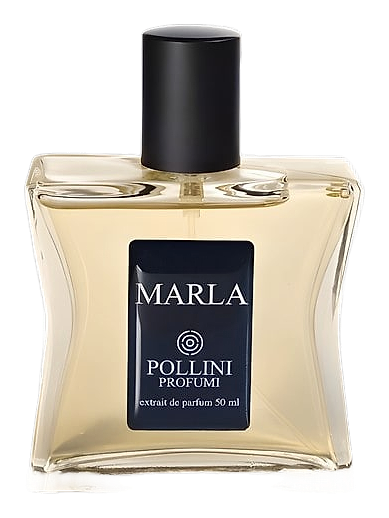
Marla takes its name from a character who doesn't explain herself. The reference is deliberate, Michele Pollini built this fragrance around the idea of femininity as something with edges, not just softness. The brand's the community copy names Fight Club's Marla directly: a woman who has been through difficult times, who fights, who is proud of her fragility. That tension, beauty alongside resistance, is the brief. A rose that isn't innocent. A composition that doesn't ask permission.
What makes Marla unusual is the structural choice to center white rose in both the top and heart. Most fragrances move from one floral to another; here, the same note carries the full journey, which means the evolution happens around it rather than through it. The cloves in the heart don't replace the rose, they complicate it. And the base, amber, myrrh, vanilla, tonka bean, oakmoss, doesn't soften the rose so much as ground it in something warmer, earthier, closer to the skin. It's a mature composition in the sense that it knows what it is and doesn't hedge.
The evolution
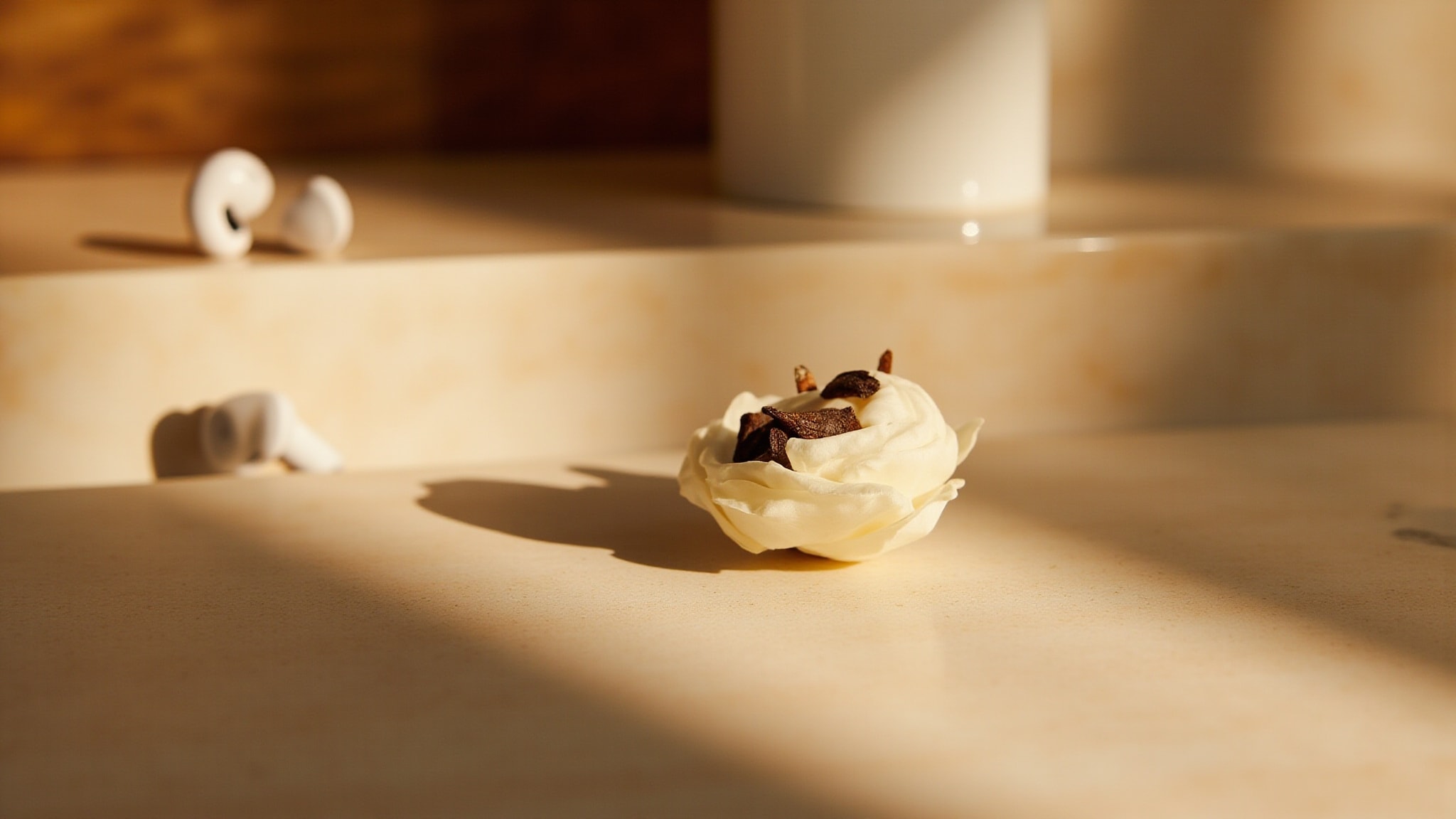
The opening is the coolest moment. White rose arrives without fanfare, a little austere, like the petals have just been picked in cool air. There's no fanfare, no sweetness. Around the thirty-minute mark, the cloves arrive, warm, faintly spicy, almost savory, and the rose stops being a still life. It becomes something happening. The heart holds for two to three hours, the floral-spice dialogue shifting slightly as the rose deepens and the cloves settle. Then the base takes over: amber and myrrh first, resinous and warm, followed by the vanilla-tonka warmth that carries the drydown. The interplay between the resinous amber and the sweet warmth creates a cocoon-like effect that lingers in the air around you.
Cultural impact
The note itself carries centuries of cultural baggage, from ancient symbol of purity to modern emblem of romantic love, making any contemporary rose fragrance a conversation with that history. Pollini Profumi, an Italian house founded by a musician-turned-perfumer, works with the white rose as a central motif, allowing its clean, slightly green character to anchor the composition. The pairing with clove brings a warmth that tempers the flower's natural coolness, while the inclusion of oakmoss adds an earthy, woodland depth that grounds the lighter notes.