
The Story
Why it exists.
The beginning
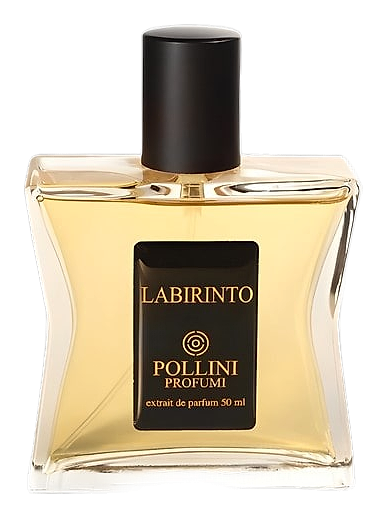
The name comes first. Labirinto, the Italian word for labyrinth. Not a maze with dead ends, but a spiral that draws you inward toward its center. Michele Pollini built this fragrance around that ancient symbol: a path that requires patience, that reveals itself only to those willing to follow. The idea was to create a scent that behaves like the symbol it bears, something that opens simply, then pulls you through corridors of complexity until you arrive somewhere unexpected. Bergamot and green notes at the threshold. Then the path winds.
The opening is notably smoky, birch wood providing an unexpected sweetness rather than harshness. The smoke arrives sweet rather than harsh, softened by the smoke of smoldering vanilla pods, not burning wood. The birch itself carries a faintly medicinal quality that adds intrigue without aggression. Then the yellow florals arrive: osmanthus with its apricot and floral character, ylang-ylang bringing warmth and depth. The heart doesn't compete with the opening so much as answer it, the two phases in dialogue rather than opposition.
The evolution
The opening is smoke-forward, but not aggressive. Birch wood carries a faint sweetness, almost medicinal in the best way, that catches you off guard. As the composition develops, the florals arrive. Osmanthus and ylang-ylang bloom together, giving the composition a warm, almost waxy quality. The iris appears quietly, adding powder without lightness. The base gradually takes over as the fragrance settles. Sandalwood and patchouli dominate, but vanilla and tonka bean linger underneath, keeping the drydown sweet and close. The myrrh doesn't announce itself, it deepens everything around it, adding an almost resinous dimension that makes the final hours feel intimate and persistent.
Cultural impact
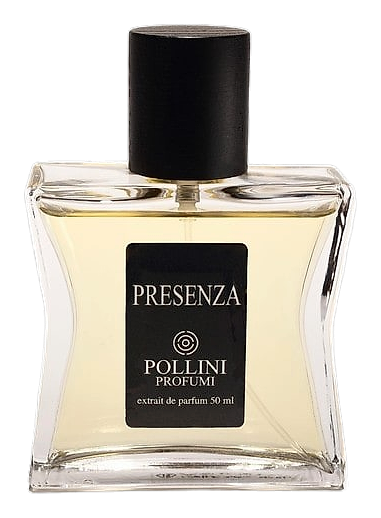
Labirinto arrived in 2024 as the debut fragrance from Pollini Profumi, an Italian niche house. The labyrinth concept taps into the enduring fascination with maze-like complexity in art and architecture, representing the winding journey of discovering a complex scent. Rather than presenting a linear progression from first spray to final drydown, the fragrance seems to fold back on itself, with early notes re-emerging in unexpected ways as the composition evolves. This approach to scent structure reflects a broader interest in creating perfumes that reward sustained attention, inviting wearers to notice new details with each encounter.