The Story
Why it exists.
The beginning
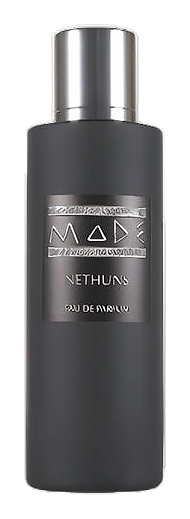
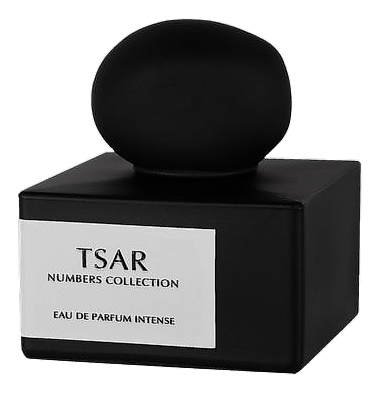
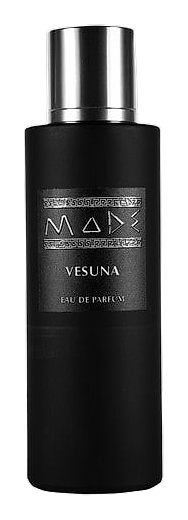
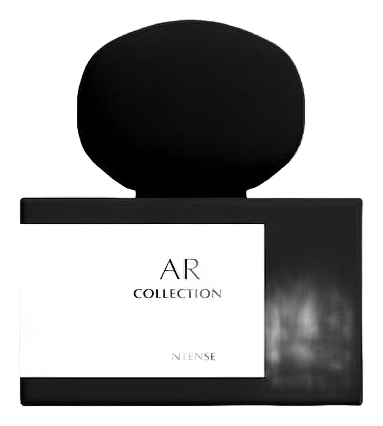
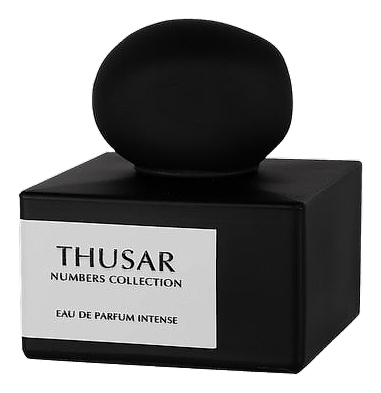
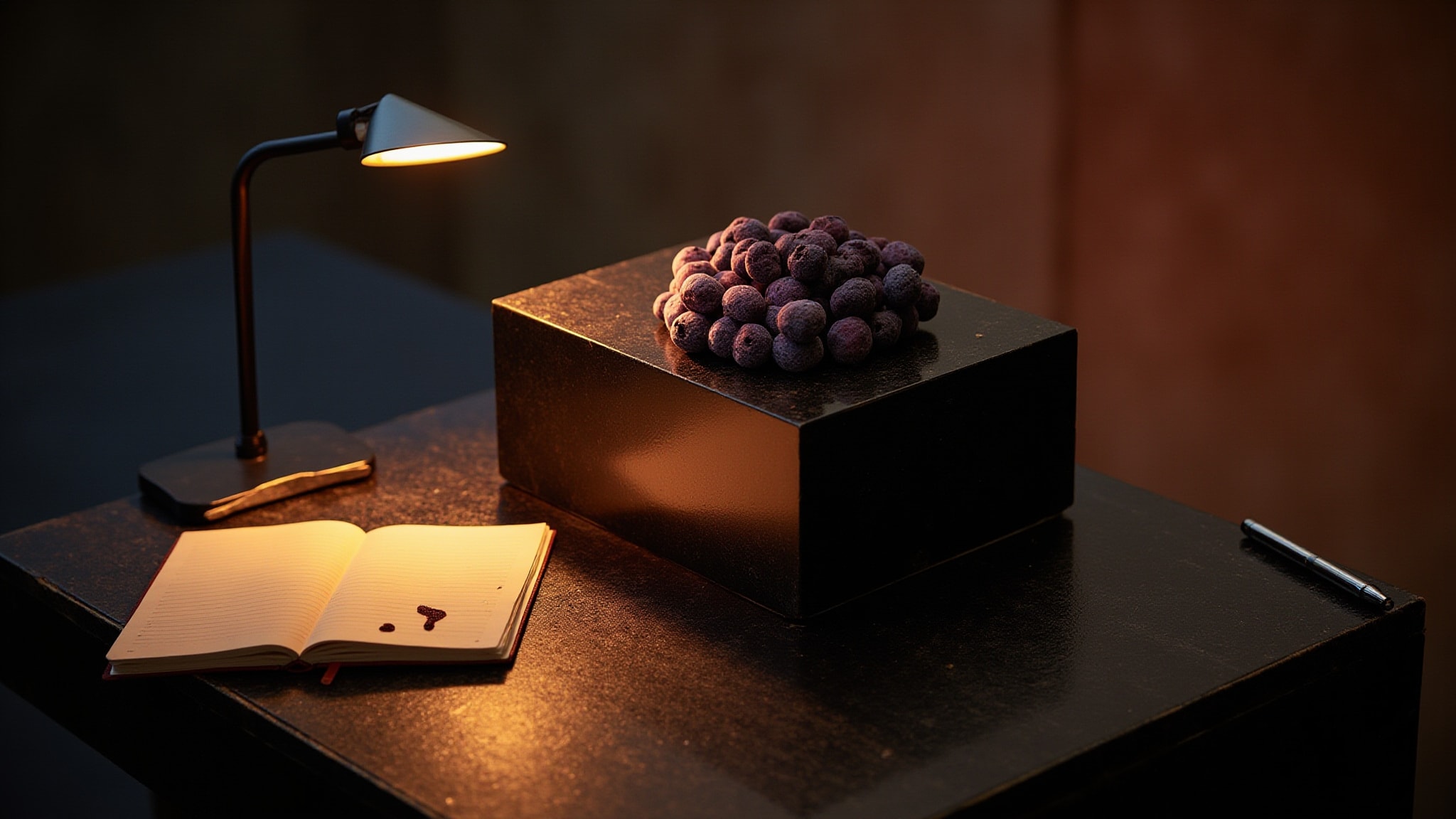
Thusar is the literal Etruscan word for eleven, the eleventh chapter in Made's ongoing catalog and a piece of their Numbers Collection. The brand names its fragrances after ancient Mediterranean figures, Nethuns, Feronia, Turan, Vesuna, slotting each scent into a numbered progression under that system. Launched in 2024, Thusar takes its place as a numbered entry rather than a named god. On skin, the composition opens with a burst of ripe blueberry, the fruit note sharp and almost confectionary before it begins to settle. As the top notes fade, the patchouli rises through the blend, bringing a damp, rooty darkness that grounds the sweetness. The drydown stretches into a long, resinous wood where the fruit has burned off and what remains is earthy, slightly sweet, and quietly complex.
What makes Thusar structurally interesting is the tension between its fruit-and-patchouli opening and a densely woody, vanillic heart. Blueberry is rare in compositions this woody, and thyme alongside patchouli gives the top a herbal, almost medicinal edge before the oud and guaiac wood take over. The gardenia in the heart is a softer counterweight to the oud's gravity, and tonka bean pulls everything toward sweetness without tipping it. Tree moss and sandalwood in the base root it in something earthy. It reads as an oriental that refuses to be solemn, a fragrance with ceremonial bones and a playful streak.
The evolution
The first twenty minutes smell like cold air after rain, thyme and cedar leaves with a faint bruised-fruit sweetness underneath. Patchouli arrives early, darker than expected, and the blueberry reads more as a tart accent than a gourmand note. Within the hour, the woods take command. Guaiac wood and oud push forward, and the gardenia softens the transition into something creamier. Vanilla and tonka bean settle in over the next few hours, warming the composition without smothering it. By hour four the drydown is all sandalwood and tree moss, a quiet, earthy hum that clings to fabric the next morning. On skin it fades to a close, warm presence around the 6-hour mark. On a scarf or jacket, traces of vanilla and cedar linger into the next day.
Cultural impact
Thusar fits a small but distinct niche built on an unusual note combination: blueberry and patchouli in a woody oriental base. Fruit paired with patchouli divides opinion because the pairing is a risk most houses avoid, the bright acidity of berry set against the dense, muddy depth of rooty patch can read as jarring on first encounter. The opening throws blueberry forward with a candied clarity that lingers for the first twenty minutes before the patchouli starts to anchor the composition. From there the scent deepens into a dry, resinous wood that carries traces of the fruit for hours, a shadow of sweetness rather than the thing itself.