Silver
A cool, mineral-toned metallic accord that evokes the crisp scent of freshly polished silver and cool steel. Used in modern perfumery to add sharpness and lift to airy, ozonic compositions.

Character
How it smells
Cool metal, captured in scent.
True silver has no detectable odor on its own, so the metallic silver note in perfumery is created entirely through synthetic aroma molecules designed to mimic its cool character.







Origin
France
The metallic silver note is a thoroughly modern invention, owing nothing to traditional extraction. Until the late nineteenth century, perfumery relied almost entirely on natural ingredients, plant oils, animal secretions, and gums. The commercial synthesis of aroma compounds such as vanillin in the 1870s and coumarin shortly after opened the door to entirely new scent categories that had no precedent in nature.
Metallic accords first gained attention in avant-garde perfumery during the early twentieth century, when aldehydes became celebrated for their sharp, soapy brilliance. Perfumers began to associate aldehydic facets with the sensory impression of polished silver, chilled crystal, and clean steel, even though no actual metal was involved. The rise of ozone-inspired and aquatic fragrances from the 1990s onward cemented silver-toned notes as a distinct olfactory family.
Today, metallic accords represent one of perfumery's youngest and most abstract categories, a direct product of synthetic chemistry rather than botanical tradition.
Wears it best
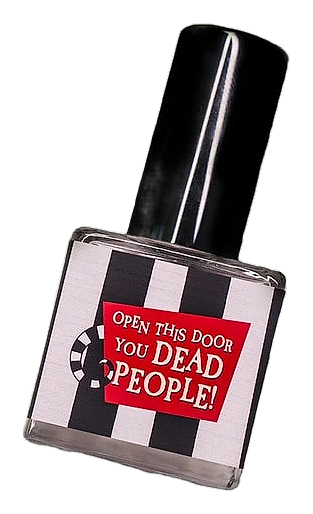
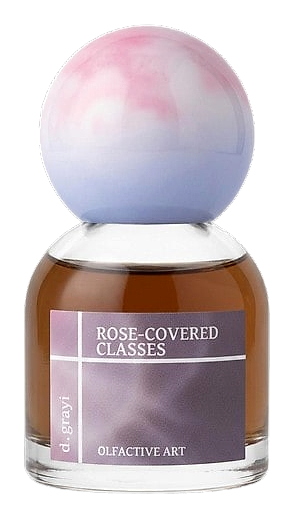
Fragrances featuring Silver
Good to know
Questions, answered
The essentials on Silver in perfumery: how it smells, where it comes from, and how it behaves on skin.
What does the silver note smell like in perfume?
The silver note smells cool, crisp, and faintly metallic, evoking freshly polished metal or cold steel. It is sharp and clean rather than warm. Perfumers achieve this impression using synthetic aldehydes, not actual silver.
Is silver a natural or synthetic fragrance ingredient?
Silver as a fragrance note is entirely synthetic. Elemental silver has no detectable scent, so perfumers recreate the metallic impression through laboratory-made molecules. This makes it a product of modern aroma chemistry rather than botanical extraction.
When was the silver note first used in perfumery?
Metallic and aldehydic silver-toned notes emerged in perfumery during the early twentieth century, after synthetic aroma chemicals became commercially available in the late 1800s. These accords gained wider recognition through ozonic and aquatic fragrances from the 1990s onward.
Which synthetic molecules create the silver accord?
Aldehydes such as undecanal and dodecanal form the backbone of metallic silver accords, contributing the crisp, soapy brilliance associated with polished metal. Certain pyrazines add cooler, more mineral facets. These are blended to achieve the desired intensity.
Why is silver used as a top note in perfumes?
Metallic silver notes are typically classified as top notes because they are highly volatile and evaporate quickly. They provide an immediate impression of coolness and freshness, lasting roughly 15 to 30 minutes before softer heart notes emerge.
Are there natural sources for metallic-smelling fragrance molecules?
No natural source reliably yields a true metallic silver impression. Some natural materials like iris rhizome offer cool, earthy facets, but the sharp metallic silver character is unique to synthetic aroma chemistry. This sets it apart from traditional botanical perfumery.
How do perfumers combine silver notes with other ingredients?
Perfumers typically pair silver notes with ozonic, aquatic, or fresh florals to reinforce a clean, cool profile. They balance the sharp metallic opening with softer musks or ambroxan in the base to prevent the accord from feeling sterile or harsh.
Is the silver note sustainable to produce?
Synthetic metallic accords are generally sustainable since they rely on chemical synthesis rather than agricultural cultivation. Some modern biotech-derived aldehydes, commercialized after years of research, offer renewable alternatives with lower environmental impact.