Cheese
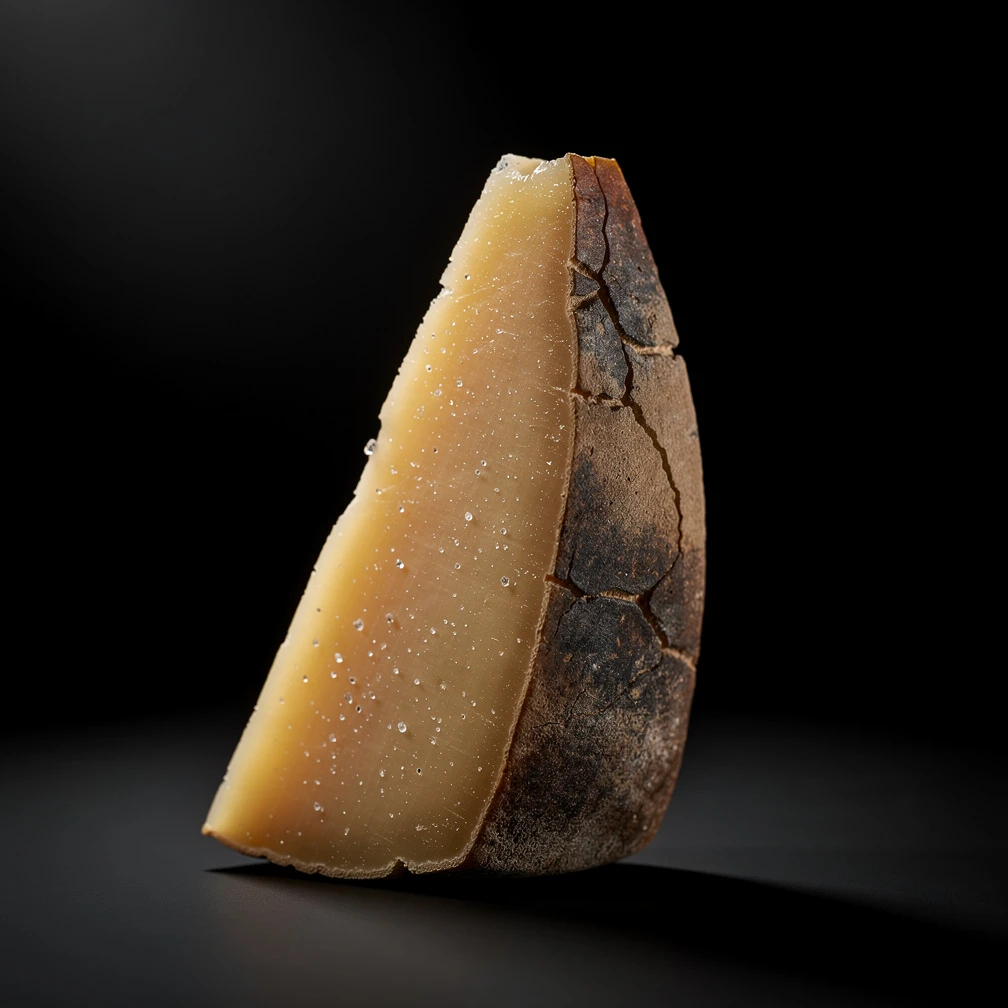
Cheese note in perfumery is a synthetic accord built around butyric and isovaleric acids. These short-chain fatty acids evoke fermented dairy, tangy cream, and the sharp edge of aged hard cheeses. The note appears in gourmand and atmospheric compositions as either a bold focal point or a subtle supporting element.
Character
How it smells
The unexpected richness of fermented dairy captured in your fragrance
The same compounds that give ripe cheese its punchy aroma also occur naturally in human sweat, making this note strangely intimate in fragrance.









Origin
Laboratory-derived (global)
The integration of cheese-like notes into perfumery emerged alongside the broader development of synthetic aromatic chemistry. As fragrance manufacturers evolved from spice processors and essential oils brokers into sophisticated chemical enterprises throughout the 20th century, they gained access to isolated and synthesized aroma molecules that mimicked natural scents.
Short-chain fatty acids like butyric acid became commercially available, opening new creative possibilities that extended beyond traditional natural ingredients. The gourmand movement in late 20th-century perfumery, which embraced edible and culinary references, created fertile ground for such unconventional notes.
Though cheese itself has never served as a source material for extraction, the aromatic molecules found in aged cheese became valued tools for perfumers seeking unusual, provocative, or atmospherically specific effects. Today, cheese accord appears in niche and designer fragrances that explore unconventional territory, often serving as a conversation piece rather than a dominant note.
Wears it best
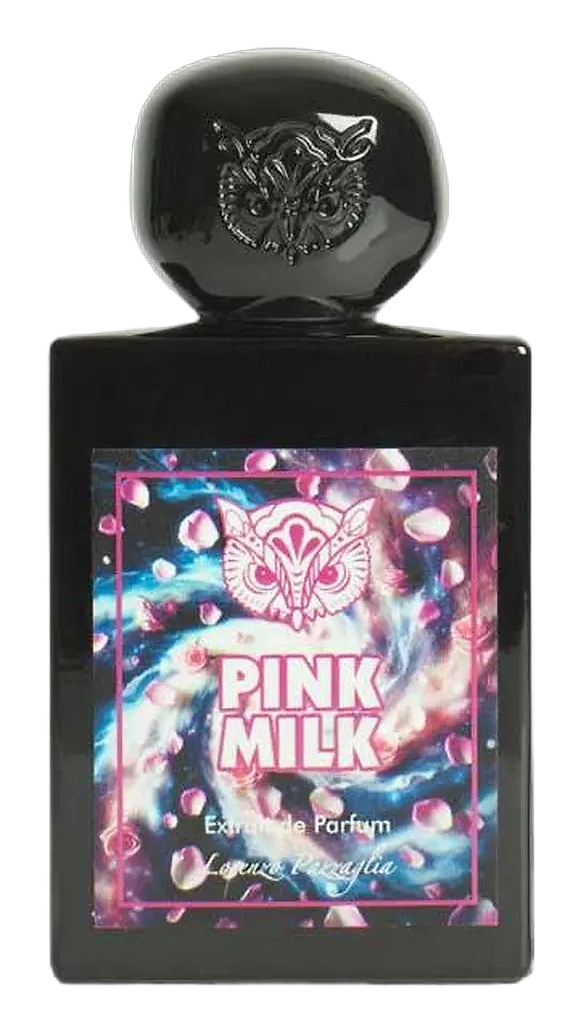
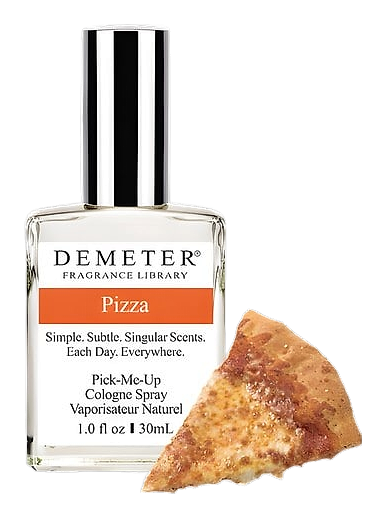
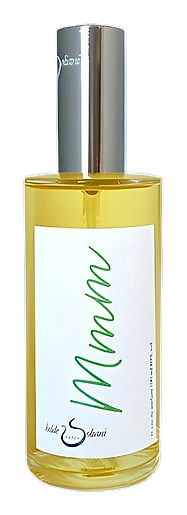
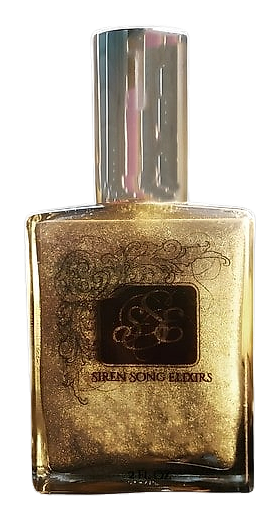
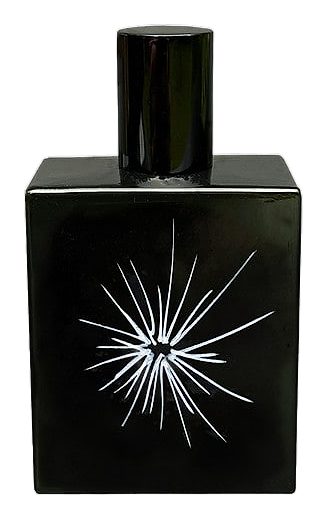
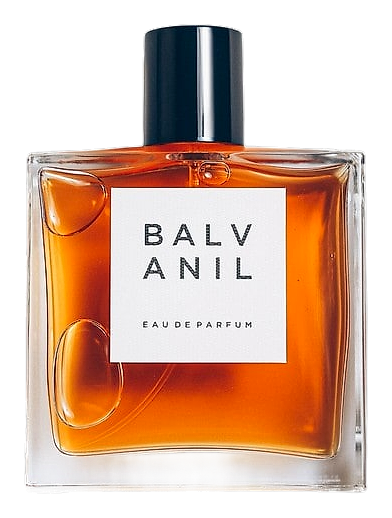
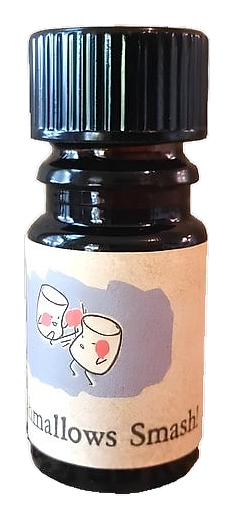
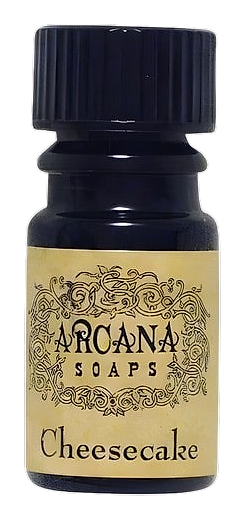
Fragrances featuring Cheese
Good to know
Questions, answered
The essentials on Cheese in perfumery: how it smells, where it comes from, and how it behaves on skin.
What does Cheese smell like in perfume?
Cheese in perfume smells like fermented dairy with tangy, creamy accents and sharp, pungent edges reminiscent of aged hard cheeses. The effect comes from short-chain fatty acids that smell identical whether they originate from cheese or are produced synthetically in a lab.
Why is Cheese used in perfumery?
Cheese notes add provocative, unconventional character to fragrances and work well in gourmand compositions. Perfumers use synthetic short-chain fatty acids to create distinctive, memorable accords that push creative boundaries and offer unusual aromatic effects impossible to achieve with traditional ingredients.
Is Cheese in perfume natural or synthetic?
Cheese in perfume is always synthetic. No method exists for extracting fragrance from cheese itself. Perfumers use butyric acid and isovaleric acid, compounds that occur naturally in aged cheese and human sweat, but these are produced through controlled chemical synthesis in laboratories.
What famous perfumes contain Cheese?
Cheese accord appears in niche fragrances and some commercial lines that explore unconventional gourmand territory, though most fragrance houses protect exact formulas as proprietary. References to cheese notes are more common in indie and artistic perfumery than mainstream designer fragrances.
Is Cheese a top note, heart note, or base note?
Cheese compounds typically function as base or heart notes because short-chain fatty acids have good substantivity and remain detectable on skin for hours. The note provides lasting presence rather than an initial burst, though concentration levels affect where it sits in a composition.
What notes pair well with Cheese in perfume?
Cheese accord pairs well with sweet gourmand elements like vanilla, caramel, cream, and honey that soften its pungent edge. It also combines interestingly with lactonic notes, butter, and certain florals like osmanthus. Darker bases like leather or smoke can ground the dairy character.
How is Cheese extracted?
Cheese note is not extracted from cheese; no natural raw material exists. Instead, butyric acid and isovaleric acid are produced synthetically from precursor chemicals in industrial chemical processes. These synthesized compounds are then blended by fragrance houses to create standardized cheese accords.
Is Cheese used in men's or women's fragrances?
Cheese note is not gender-specific and appears in both men's and women's fragrances depending on the composition. It reads as masculine when paired with leather, tobacco, or animalic elements, and as feminine when balanced with florals, sweetness, or cream notes in the overall accord.