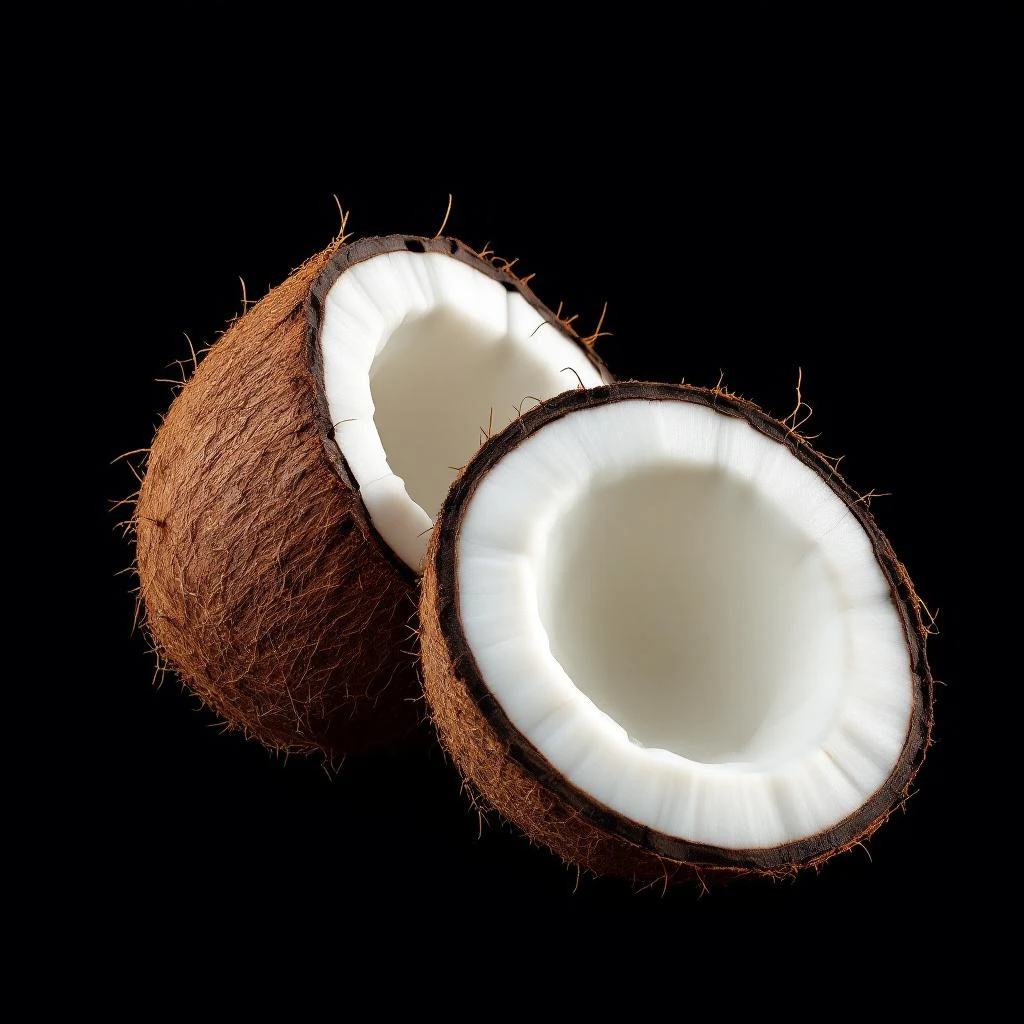
Grape Juice
Grape juice brings a luminous, jammy sweetness to perfumery, evoking sun-drenched vineyards and the rich fullness of ripe fruit. This note captures wine-like depth with tart, effervescent qualities that add vibrancy to compositions.
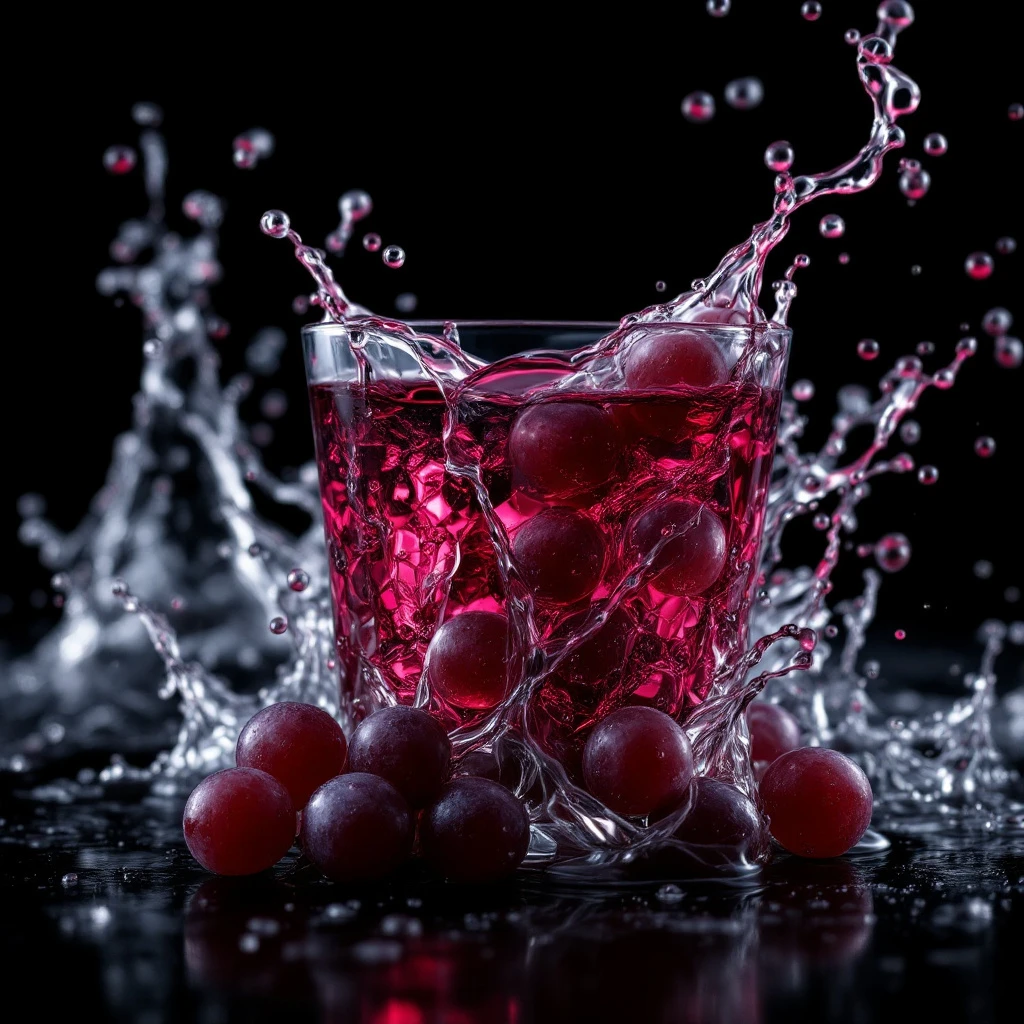
Character
How it smells
Sun-ripened sweetness with wine-like depth.
Ancient Egyptians first used grape derivatives in perfumes over 3,000 years ago, blending them with honey and floral essences.
Pairs beautifully with

Origin
France
The connection between grapes and fragrance traces to ancient Egypt, where archaeological evidence shows grape-derived materials appeared in perfumes alongside honey, myrrh, and floral oils. Egyptian perfumers recognized that grape products offered both sweetness and a distinctive vinous complexity unavailable from other botanical sources.
The Mediterranean region's viticulture traditions shaped how subsequent civilizations approached grape aromatics. By the 12th century, Arabian chemists had refined distillation techniques that would later enable more sophisticated extraction of aromatic compounds from fermented fruits.
When modern perfumery emerged in Paris during the late 19th century, the industry initially relied on natural materials, though grape essence proved challenging to preserve. The advent of organic synthesis in the 20th century finally gave perfumers reliable access to grape-like aromatic molecules, enabling the creation of consistent, concentrated grape juice accords that capture the fruit's luminous character without fermentation variables.
Wears it best
Fragrances featuring Grape Juice
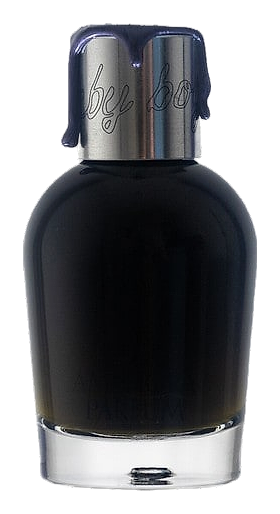
Brands
Brands known for Grape Juice
Good to know
Questions, answered
The essentials on Grape Juice in perfumery: how it smells, where it comes from, and how it behaves on skin.
What does grape juice smell like in perfume?
Grape juice in perfume typically smells like sweet, ripe fruit with wine-like undertones. It combines sugary brightness with a deeper, fermented quality reminiscent of grape must. The note reads as jammy, effervescent, and distinctly fruity.
Is grape juice a natural or synthetic ingredient?
Grape juice in perfumery is primarily synthetic. Perfumers construct the aroma using molecular compounds like fruity esters and wine lactones to achieve a consistent grape character, since natural grape juice lacks the shelf stability required for fragrance formulations.
Which perfume families commonly use grape juice?
Grape juice appears most often in fruity and gourmand fragrance families. It suits bright summer scents, playful florals, and sparkling wines. Perfumers also use it to add natural sweetness to chypre and oriental compositions.
What grape varieties influence perfumery?
The aromatic profile varies by grape type. Thompson Seedless and Concord grapes contribute bright, candied sweetness. Wine grapes like Cabernet Sauvignon add fermented, tannic depth. Muscat varieties bring floral, honeyed notes alongside their fruit character.
Does grape juice smell more like wine or fresh grapes?
The smell typically reads as fresh, jammy grapes rather than wine. Perfumers engineer the accord to emphasize ripe fruit sweetness and tartness. Wine-like notes appear as subtle undertones that add complexity rather than dominance.
How does grape juice blend with other ingredients?
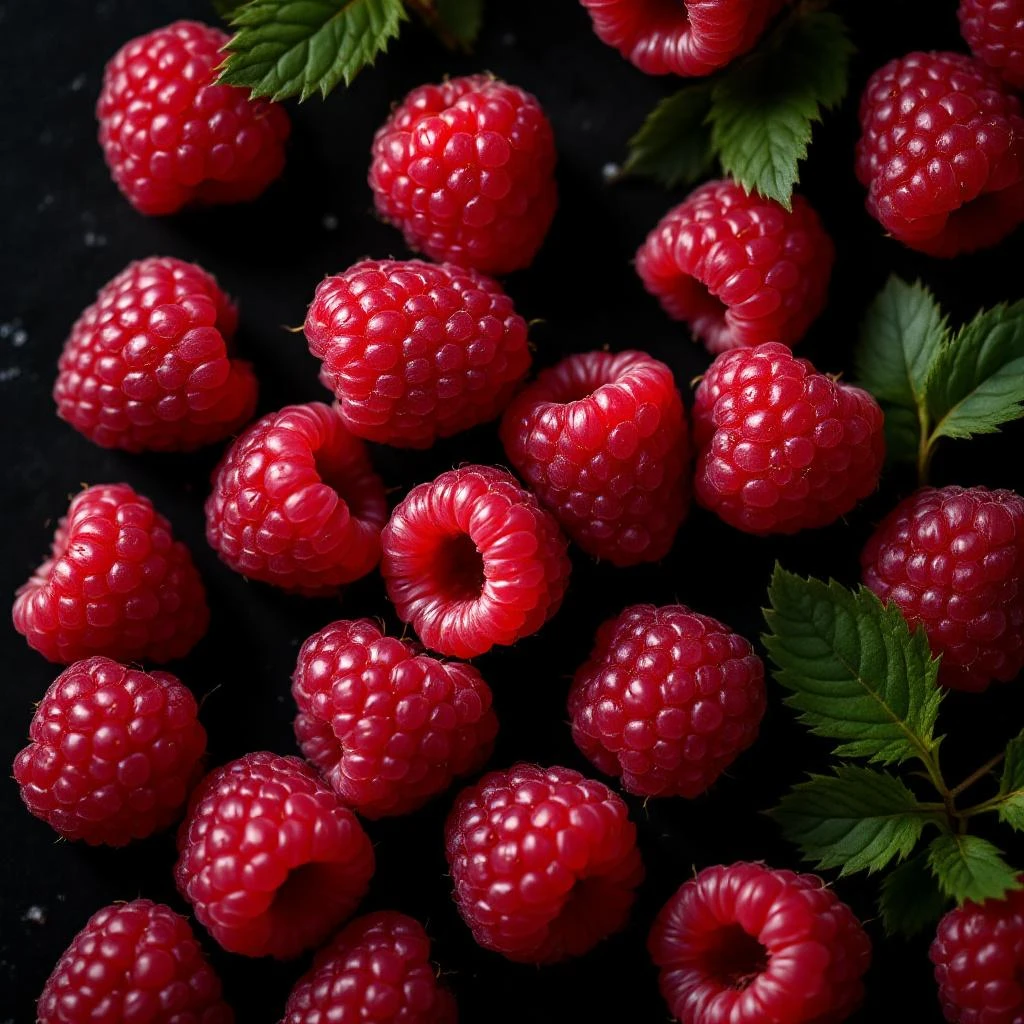
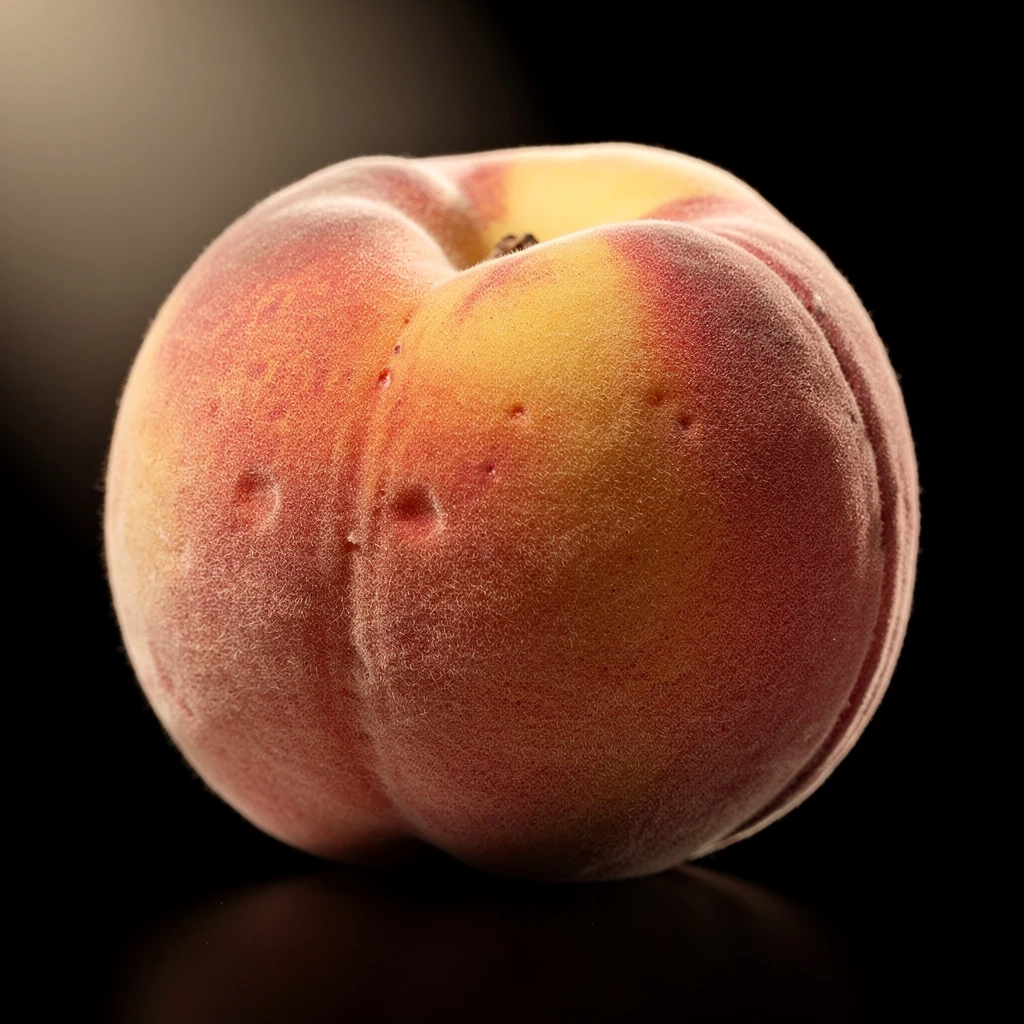
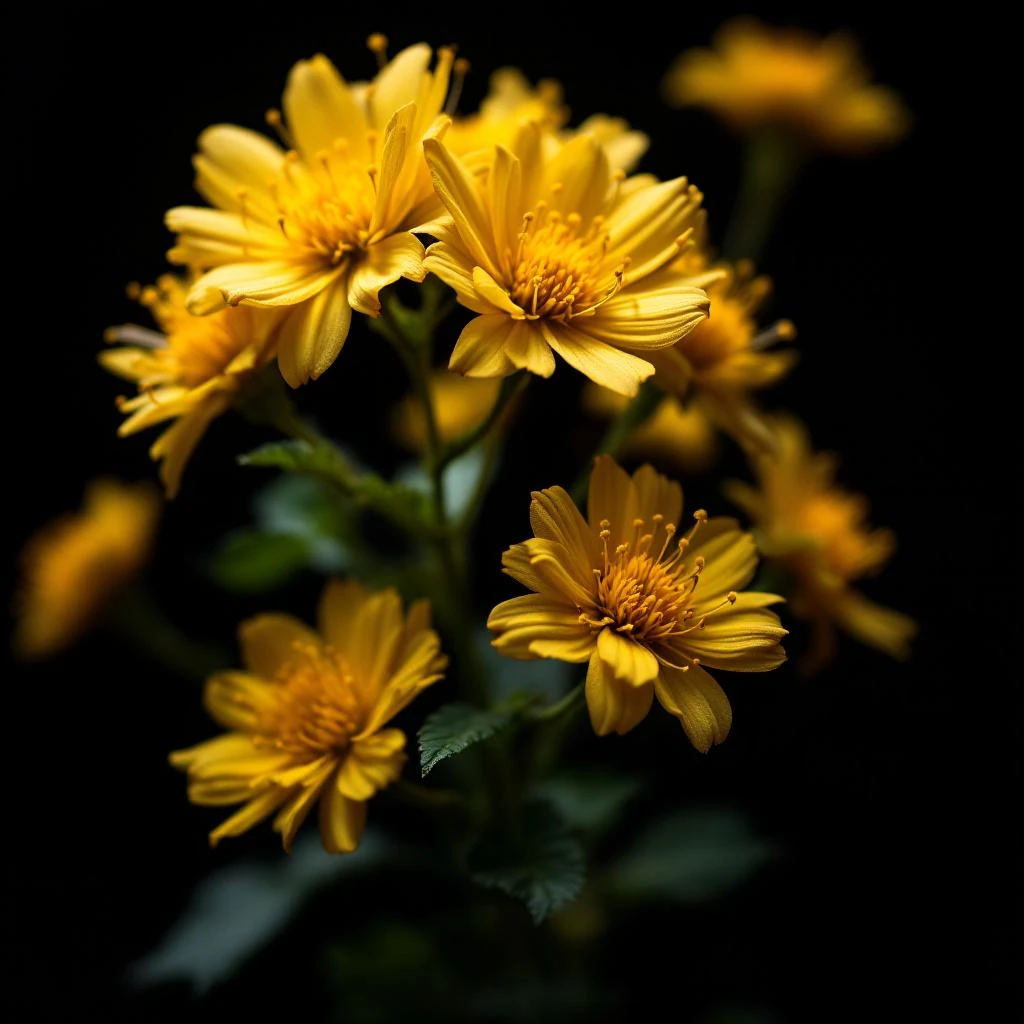
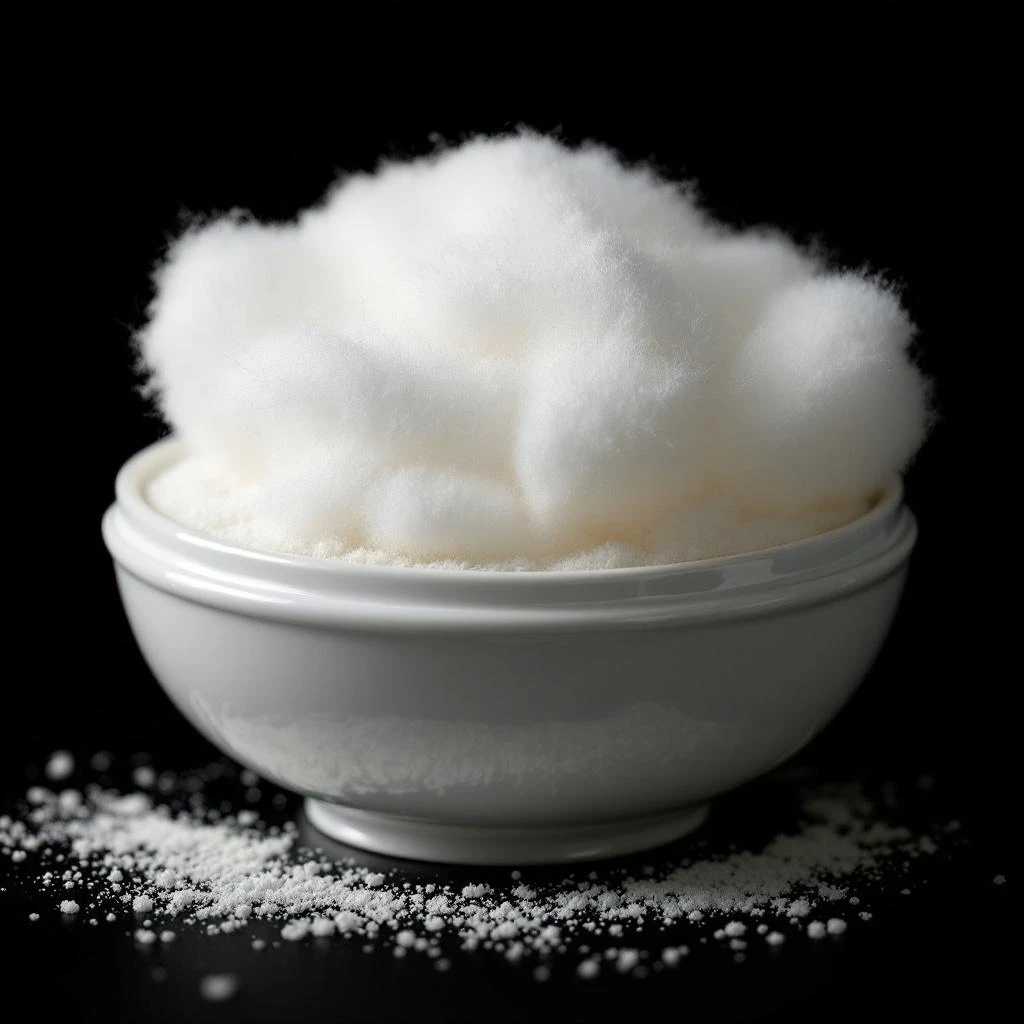
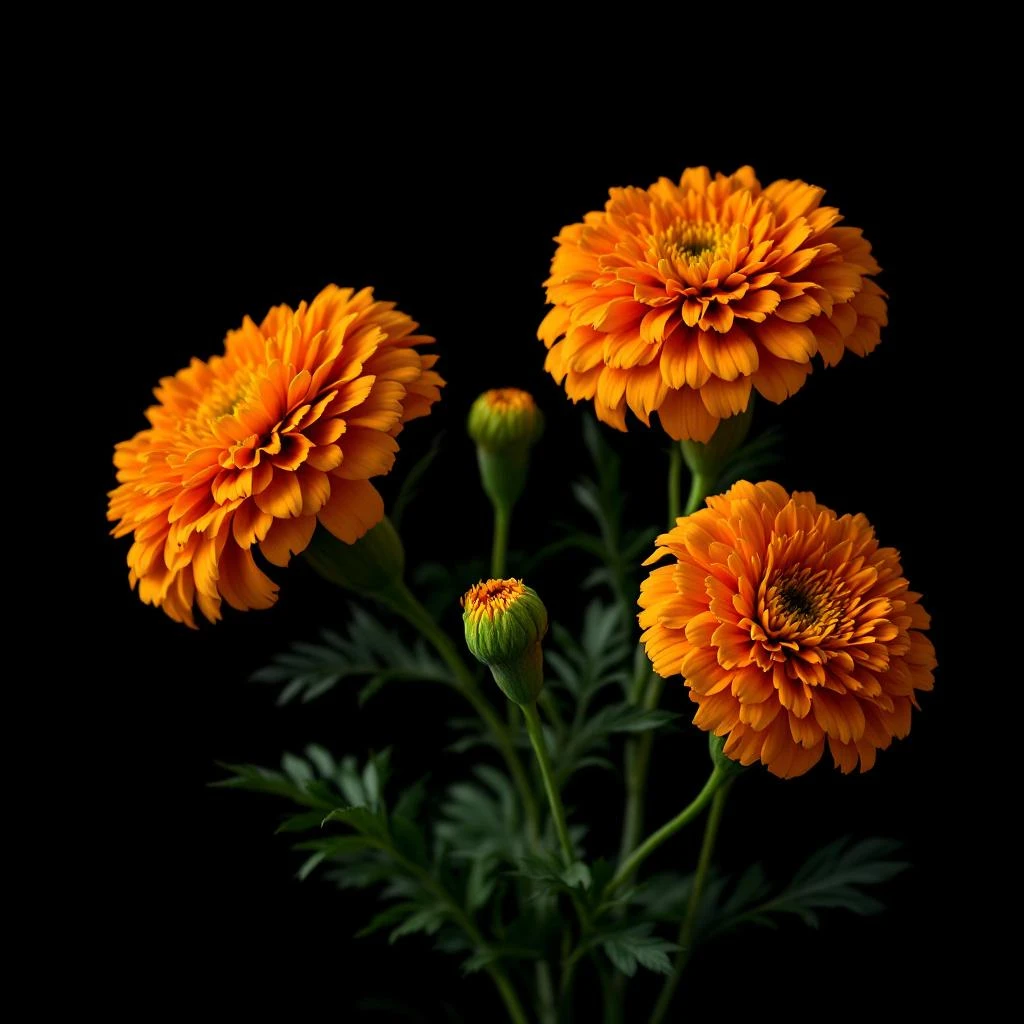
Grape juice pairs naturally with berries, citrus, and stone fruits for enhanced fruitiness. It combines well with white florals like jasmine and rose for sweetness. Base notes including musks and woods help anchor its bright character and extend longevity.
Which famous perfumes feature grape juice?
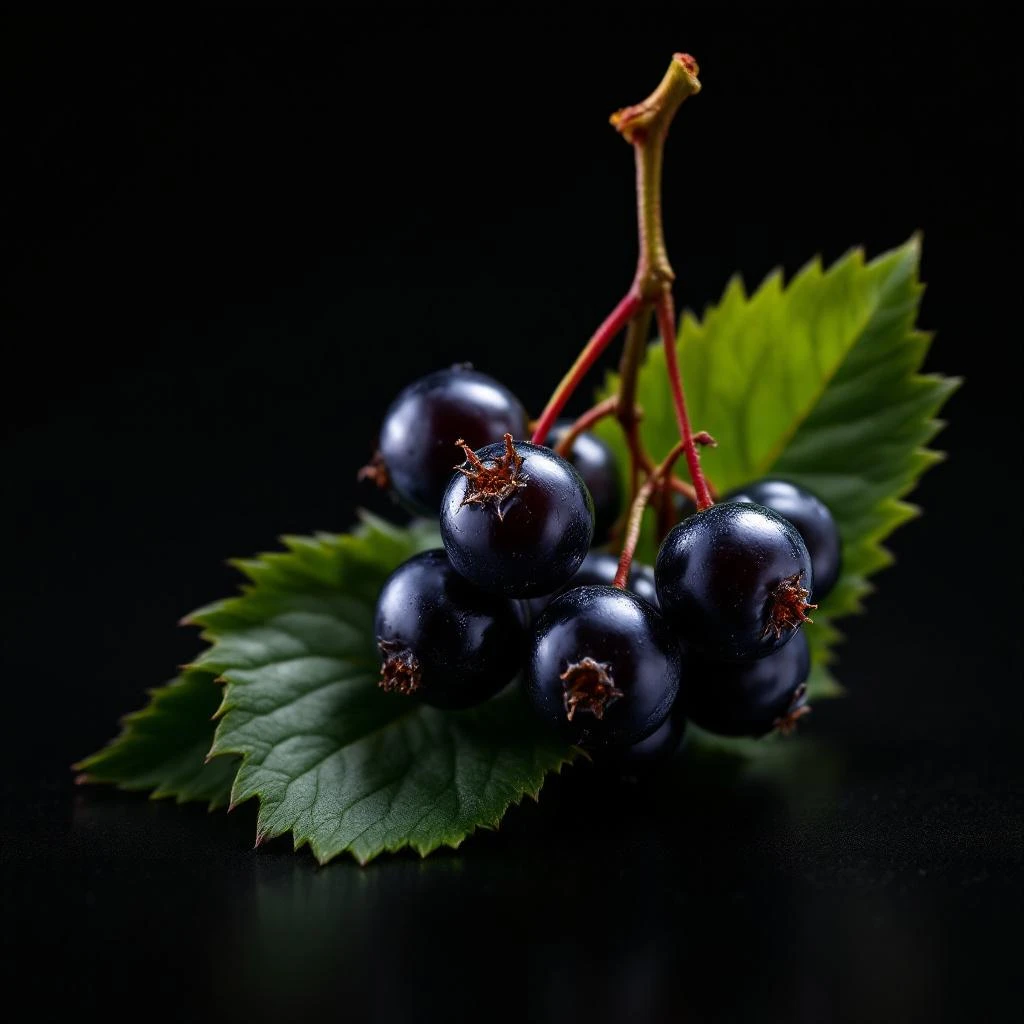
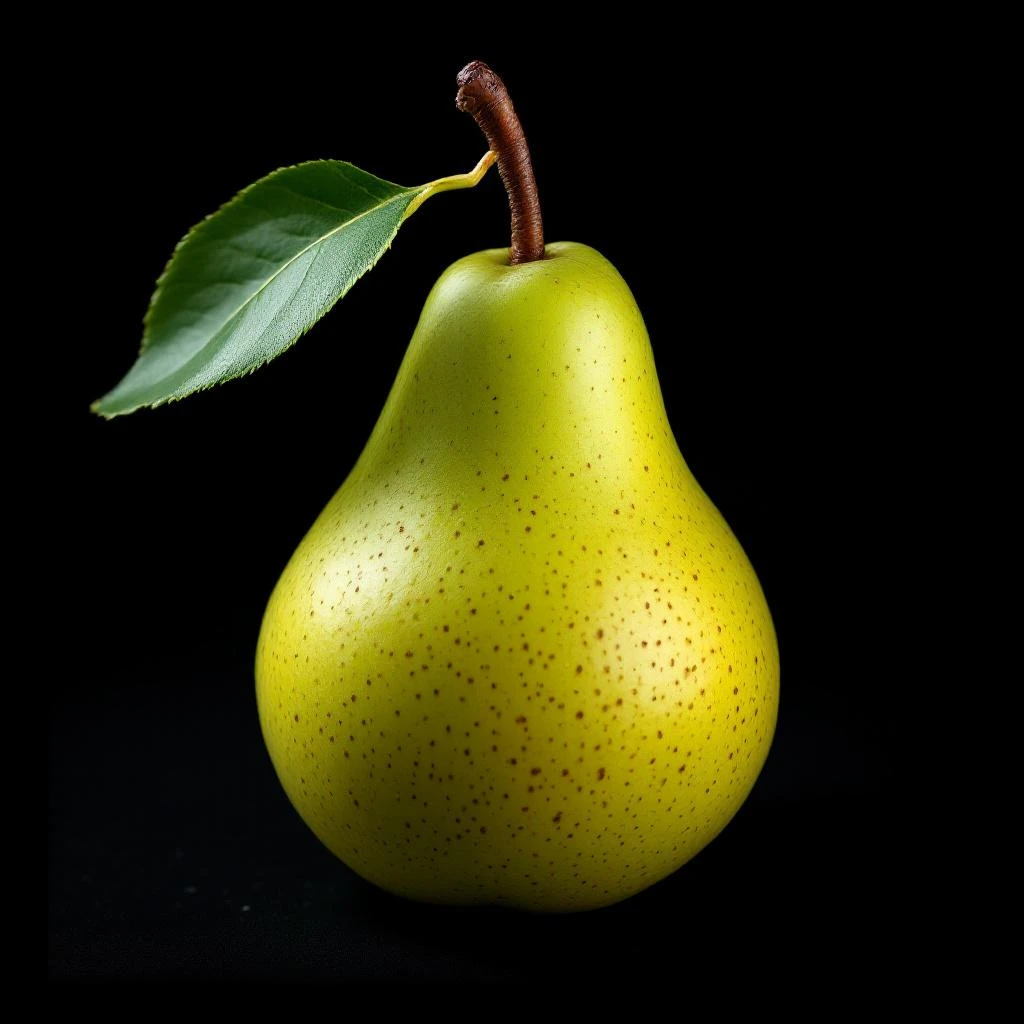
Many fruity fragrances incorporate grape accords, though specific formulations remain proprietary. Perfumers frequently layer grape with blackcurrant, lychee, and pear for complex fruit compositions in both designer and niche fragrances.
How long does grape juice last in a fragrance?
Grape juice as a top-to-heart note typically lasts 2-4 hours on skin. Its lighter molecular weight means it evaporates relatively quickly. Fixatives like amber or musks help extend its presence in the overall composition.