
The Story
Why it exists.
The beginning
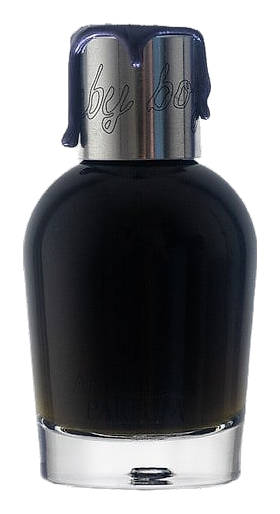
Baby Boy began as a study in contradictions. The name alone asks something of the wearer. It's a fragrance built from elements that don't seem to belong together, baby powder and grape juice, something clean and something spilled. The combination creates a tension, a push-pull that runs through every layer of the composition. The result is a scent that feels both familiar and strange, something you recognize but can't quite place. The brand's note describes wanting to remember what it was like before worrying about running out of time. That nostalgia is the engine. The civet anchors the composition, animalic warmth that keeps the sweetness from becoming purely decorative.
The combination of talc and grape juice is unusual precisely because it shouldn't work. Baby powder suggests cleanliness, order, something managed. Grape juice suggests a spilled snack, sticky fingers, the chaos of small bodies moving through a room. When you add peach and sugar to that foundation, you get something that smells like a memory of sweetness without being sweet in a simple way. The immortelle and marigold bring herbal complexity that shapes the middle registers, adding dimension that keeps the composition from flattening out.
The evolution
It opens bright. The grape juice hits first, vivid and almost acidic, then the baby powder softens it within seconds. That talc note stays present throughout the entire evolution, it's the thread that runs from top to drydown, the thing that keeps everything coherent. The peach and sugar arrive in the heart, warm and fleshy, and there's a green bitterness underneath that reads as herbal, slightly medicinal. The civet is present in the base, warm and animal. The hay anchors everything from there, giving the base a rural, almost barn-like quality that grounds the sweetness. The overall wear experience is long-lasting, with the civet becoming more pronounced as time passes.
Cultural impact
Fragrances like Baby Boy represent a shift in how perfumery approaches composition. The combination of powdery sweetness and animalic base places it in a space that doesn't fit neatly into mainstream or niche categories. The grape-to-civet arc is unusual enough to attract attention, and the powder balances the more challenging elements. The fragrance exists in a territory that invites conversation about what perfumes can do and how they can make you feel.
The House
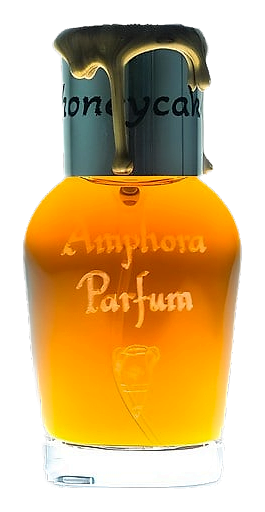
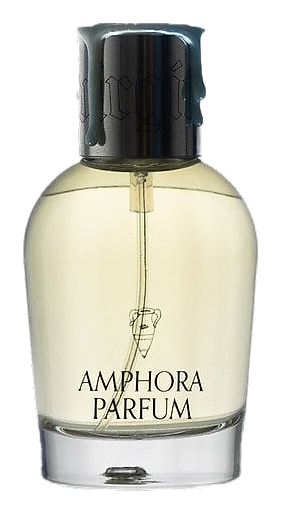
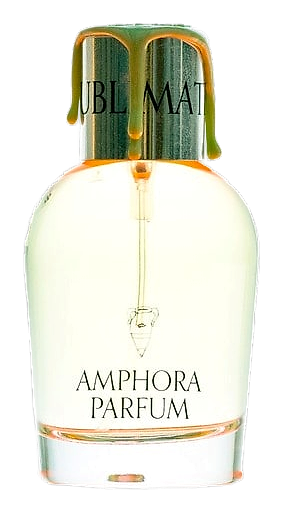
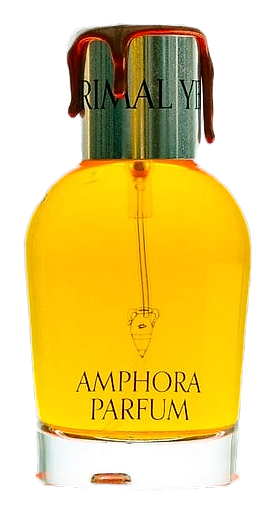
Amphora ParfumAMPHORA Parfum is a fragrance house operating at the intersection ofQueer identity and fine perfumery. Founded as a proudly Queer-owned business, the brand centers gender-inclusive fragrances as its core mission. Rather than working within traditional fragrance categories or the gendered frameworks that have historically governed the industry, AMPHORA constructs scents meant to be worn without regard to conventional expectations. The brand has positioned itself explicitly as a challenge to the social rules that typically govern fine fragrance, suggesting that scent is a personal language rather than a inherited system of signs. Its catalog spans fragrances that range from aquatic and musky to fruity, each built to exist outside the binaries that have long shaped how perfumes are marketed and perceived. AMPHORA operates as a discovery platform for wearers seeking something outside the established order of mainstream fragrance.
The Creator
Noah VirgileNoah Virgile's style resists easy categorization. Early attention from retailers has centered on what they call the addictive quality of his scents—an immediacy and resonance that keeps people reaching for the bottle.