

Heritage
A house, in its own words
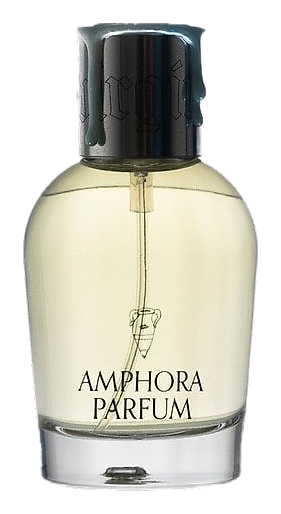
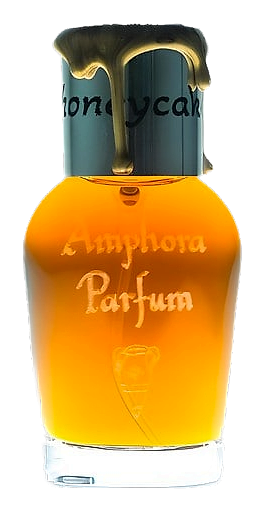
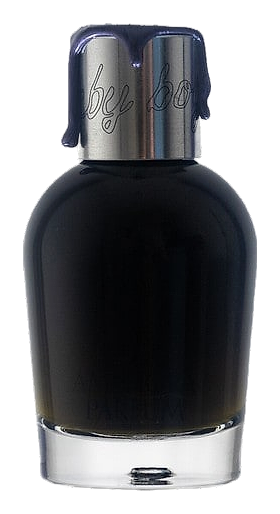
The origins of AMPHORA Parfum trace to Merz Apothecary, a perfumery store that served as thebrand first point of contact with the fragrance community. The relationship between AMPHORA and Merz Apothecary appears to have been formative in establishing the brands identity, with the store described in social media posts as the perfumery that started it all. This early connection positioned AMPHORA within a retail context that values artisanal and independent fragrance houses over mass-market offerings, which likely shaped how the brand approaches its audience. As a Queer-owned business, AMPHORA emerged from communities historically underserved by the luxury fragrance market, where perfumery has traditionally been presented through a narrow lens of gender and class. The brand did not arrive with industry backing or legacy prestige, but built its following through direct engagement with fragrance communities on social platforms, where individual creators and enthusiasts discuss scents in terms beyond marketing copy. Over time, AMPHORA developed a catalog of distinct fragrances released between 2024 and 2025, including Baby Boy, Virginal, PRIMAL YELL, SUBLIMATE, and honeycakes. Each release expanded the brands reach and reinforced its commitment to fragrance that refuses easy categorization. The name AMPHORA draws from the classical vessel form used in ancient civilizations to store valuable liquids including perfumes and oils, a choice that references materiality and preservation in scent history. The brand operates without the infrastructure of a major perfume house, relying instead on independent production and direct-to-consumer distribution, which contributes to its positioning as an outsider to conventional fragrance culture. AMPHORA Parfum describes its purpose as an attempt to break down the social rules of fine fragrance. That stated mission informs every aspect of the brand from the fragrances it creates to how it presents itself to potential wearers. Rather than organizing its catalog around traditional gender categories such as masculine or feminine, the brand treats scent as fundamentally uncoupled from these inherited frameworks. This approach reflects a broader movement within independent perfumery toward inclusivity, but AMPHORA articulates it explicitly as a challenge rather than a gentler reformulation of existing norms. The brand does not position itself as a neutral option within a traditional market. It presents itself as actively working against the grain of an industry where fragrance has long been stratified by gender, class, and occasion. The Queer identity of the business owner appears to inform this posture, lending it a perspective rooted in experience rather than a marketing strategy borrowed from mainstream brands. For wearers who have felt excluded by the gendered language of luxury perfumery, AMPHORA offers a house that does not ask them to translate their identity into the terms of a system designed without them in mind. The fragrance experience, as the brand understands it, should not require compromise between personal expression and the expectations encoded in a bottle.