Noah Virgile
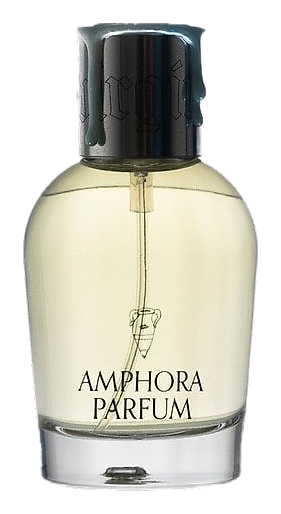
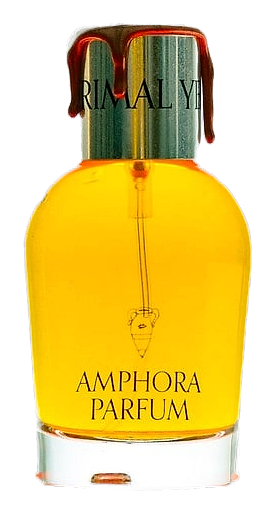
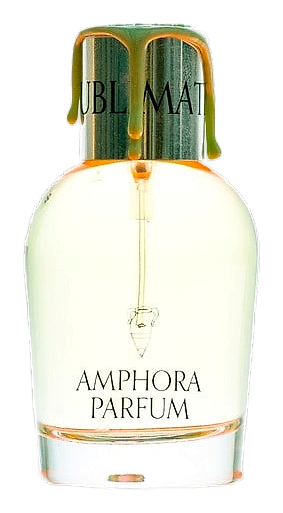
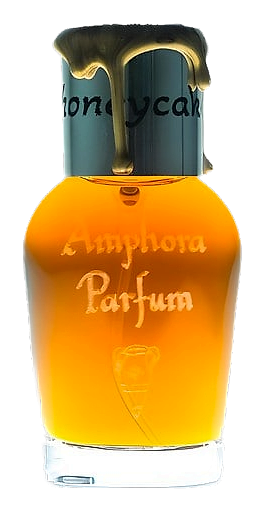
Noah Virgile built his career on stages before he ever touched a perfume bottle. A Lexington, Massachusetts native who migrated to New York City, he studied musical theatre at Pace University, earning his BFA in 2019. He spent his school years performing—for free starting in sixth grade, then professionally—and brought that performer's sensibility into fragrance. He never studied chemistry. When he turned to perfumery, he learned it the way he learned to act: through instinct, practice, and a willingness to fail until something clicked. He founded Amphora Parfums as both laboratory and stage, building a fragrance practice rooted in artistic instinct rather than formal training. The brand has drawn attention from independent retailers who describe his work as some of the most addictive scent they stock. His journey has not been without difficulty; 2023 tested him, he says, but the work continued. Seven years into his perfumery career, he remains a singular voice: someone who came to scent from the theater, never attended a prestigious fragrance institute, and built something entirely his own.
The hits
Notable creations
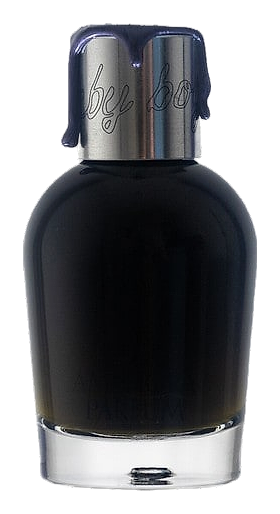
The signature
How Noah composes
Noah Virgile's style resists easy categorization. Early attention from retailers has centered on what they call the addictive quality of his scents—an immediacy and resonance that keeps people reaching for the bottle. He works with raw materials intuitively, building compositions that balance accessibility with depth. His theatrical background informs a preference for scent that performs: it opens, it evolves, it leaves a lasting impression. He favors warmth, texture, and a certain lushness in his constructions. As a creator who didn't come up through traditional perfumery channels, he brings an outsider's freedom to his material choices, sometimes finding power in combinations that formal training might discourage. The result is fragrance work that feels both personal and widely appealing.
Philosophy
What drives Noah
For Noah Virgile, fragrance is another form of performance. Trained as an actor and singer, he approaches scent the way a performer approaches a role: with emotional commitment and a desire to affect the person on the other side. He works without formal chemistry credentials, trusting his sensory intuition and artistic sensibility over technical methodology. His creative process centers on connection—what a scent makes someone feel, how it lingers in memory, what it communicates before words do. He draws on his identity as a multi-hyphenate artist, refusing to separate disciplines. His philosophy rejects gatekeeping in perfumery: you don't need a prestigious school or a chemistry degree to create something that moves people. What matters is the nose, the intention, and the willingness to keep working until the composition sings.
The houses