
The Story
Why it exists.
The beginning
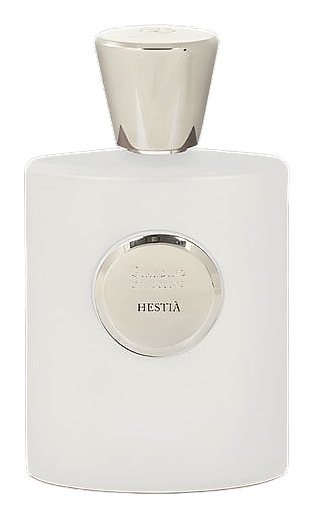
Hestia takes her name from the Greek goddess of the hearth. Paolo Terenzi built this fragrance around that same idea, drawing from that ancient association between warmth and ritual. The smoke and myrrh open on skin with a quiet confidence, an aromatic presence that announces itself without announcement. The cardamom spices with a warmth that feels deliberate rather than accidental. What arrives on skin is a fragrance that feels considered, balanced, and worth remembering once you've encountered it. The composition moves through its notes with unhurried purpose, each element arriving in its own time.
The composition earns its restraint. Incense and myrrh form a smoky foundation, but the cardamom plays a role throughout the development rather than vanishing as a simple opening accent. By the time the heart arrives, warm amyris and creamy sandalwood, the warmth has become something almost plush. The drydown settles into benzoin and ambergris, where the scent finds its depth and resonance. Each layer builds on the previous one, creating a trajectory that feels inevitable rather than arbitrary.
The evolution
The opening announces itself with smoke and myrrh, incense from Oman, resin from Jordan. The aromatic profile unfolds with layered complexity, where each material contributes its own character to the overall impression. Cardamom arrives, warm and bright, adding spice and luminosity to the composition. The heart builds: Australian sandalwood and Malaysian amyris create a creamy warmth that unfolds across the skin. By the third hour, the base takes over, benzoin's balsamic sweetness, ambergris' marine depth, guaiac wood's smoky finish. White musk keeps it close. The whole composition settles into something intimate and persistent, the kind of drydown that requires washing to remove.
Cultural impact
Hestia represents a particular approach to fragrance composition. The Giardino Benessere house has developed a signature style centered on rich, smoky materials that create atmosphere rather than simply scent a space. This positioning places Hestia within a tradition of Italian artisans who approach scent as something that shapes environment rather than serving as mere personal decoration. The launch reflects an interest in depth and sensory richness over loud projection and immediate recognition.