The Story
Why it exists.
The beginning
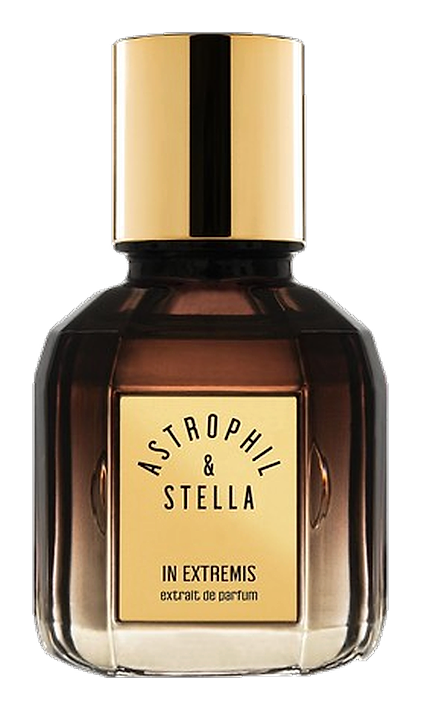
That's Caravaggio. That's In Extremis. The fragrance opens with a striking clash of bitter green and animalic warmth. A galbanum bite cuts through an immediate wave of smoky leather. There's no gentle introduction here. The top notes arrive like a shout in a quiet room, demanding attention with birch tar and dark oud taking center stage. Over the next several minutes, the composition softens just enough to reveal layers: a medicinal quality in the oud, a faint sweetness lurking beneath the smoke, the leather warming against the skin as it settles. It's not dark for shock value. It's dark because the source material is dark. The drydown rewards patience.
The osmanthus adds an unexpected dimension here. A golden floral warmth threads through the leather-smoke structure, almost fragile against the birch and galbanum. Galbanum provides that green-bitter cut that keeps the smoke from becoming comfortable. The mastic or lentisque adds a resinous Mediterranean quality that grounds the composition geographically, even as the oud and leather pull toward something more elemental. On skin, the architecture rewards patience. The opening makes a statement; the evolution earns it.
The evolution
The first thirty minutes announce themselves. Galbanum's bitter-green edge cuts through birch smoke like a blade through velvet. This is not a gentle opening, it's confrontational, medicinal, almost harsh. Then the incense arrives, softening the edges without diluting the presence. Osmanthus emerges quietly, a floral whisper that could feel out of place in something this dark. Instead it creates tension, the kind Caravaggio understood. By the third hour, leather has taken permanent residence. Oud deepens everything it touches. Vetiver and patchouli settle into skin like sediment. The next morning, there's a quiet trace of ambergris and oakmoss, not the fragrance, but the ghost of it. That quality of having been somewhere intense and now being back, changed.
Cultural impact
A fragrance this committed to leather, smoke, and oud reads as a deliberate stance. Not nostalgia for darkness, but insistence on it. The Caravaggio reference gives it context without becoming the point. Wearers who connect with it tend to describe it as the scent of someone who doesn't need to explain themselves. The opening makes a statement; the evolution earns the attention it commands. Osmanthus threads through the leather-smoke structure, adding an unexpected golden floral warmth, almost fragile against the birch and galbanum. That galbanum provides the green-bitter cut that keeps the smoke from becoming comfortable.