The Story
Why it exists.
The beginning
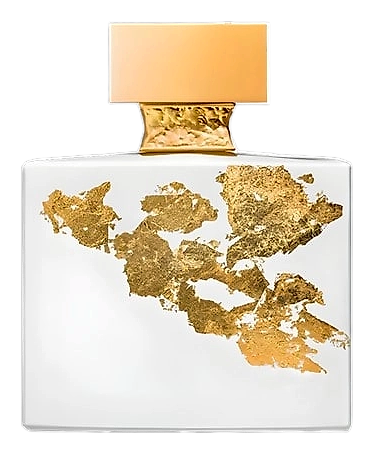
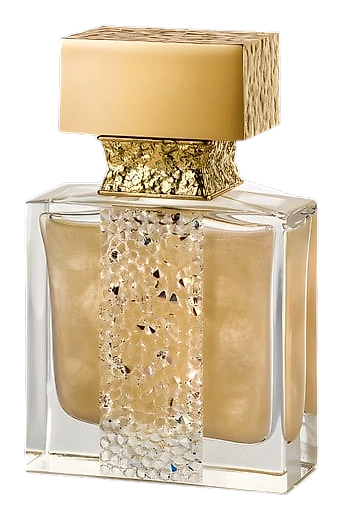
The name says it all. Ylang in Gold Nectar arrived in 2020 from M. Micallef's Grasse atelier, designed as a sunny counterpart to the house's more brooding oud and aoud compositions. Geoffrey Nejman built the concept around a single ambition: capturing ylang-ylang at its most generous, not the delicate, supporting-role ylang of many florals, but the star. The Gold Nectar designation came first, a direction pointing toward warmth, luminosity, and a certain edible richness. What emerged is unmistakably French niche, refined materials, confident construction, a bottle that catches light before you even smell what's inside.
What makes Ylang in Gold Nectar distinctive is its willingness to let ylang-ylang dominate. In most fragrances it plays a supporting role, softening sharper top notes before yielding to the base. Here it opens the heart and stays. The fruit notes, peach, litchi, tangerine, arrive first in a bright burst that clears the air, then hand off to the tropical floral without argument. The base does what bases do: it holds. But the holding here isn't subtle. Vanilla and coconut arrive together, creating a gourmand warmth that feels intentional rather than accidental. This is a fragrance that knows what it is and doesn't try to be anything else.
The evolution
The opening announces itself immediately. Peach and tangerine hit bright and tart, almost startling in their energy. There's a fleeting tropical quality, litchi reads as sweetness without specific fruit character. Then, within minutes, the ylang-ylang arrives and doesn't leave. The heart phase is where this fragrance earns its name. Magnolia and rose appear alongside, but the ylang is boss. It's creamy in a way that feels warm rather than heavy, floral without delicacy. Sandalwood threads through, keeping things grounded. The drydown is where the gamble pays off. Vanilla and coconut don't fade, they deepen, becoming a skin-warm sweetness that lingers for hours. Musk holds everything close. On fabric, the coconut note becomes more pronounced, almost edible. On skin, it's warmer, more intimate. This is a fragrance that stays with you into the next morning.
Cultural impact
Ylang-ylang has shaped perfumery since the late 1800s, when it became essential to Chanel No. 5 and established florals as luxury markers. In many Southeast Asian traditions, the flower symbolized romance and was used in wedding ceremonies and natural perfumery long before Western traders adopted it. Today, ylang-ylang remains a bridge between cultural heritage and commercial fragrance, appearing in everything from high-end niche scents to mass-market florals. Its association with desire and sensuality, partly rooted in its historical use as an aphrodisiac, continues to drive its marketing. The ingredient also helped democratize luxury; once a rare imported essence, it became more accessible as cultivation expanded globally while retaining its prestige status in perfumery.