The Story
Why it exists.
The beginning
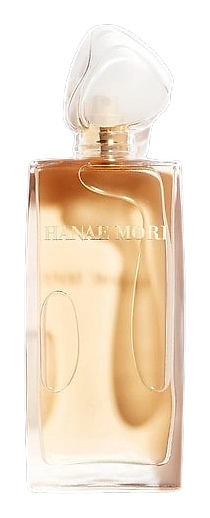
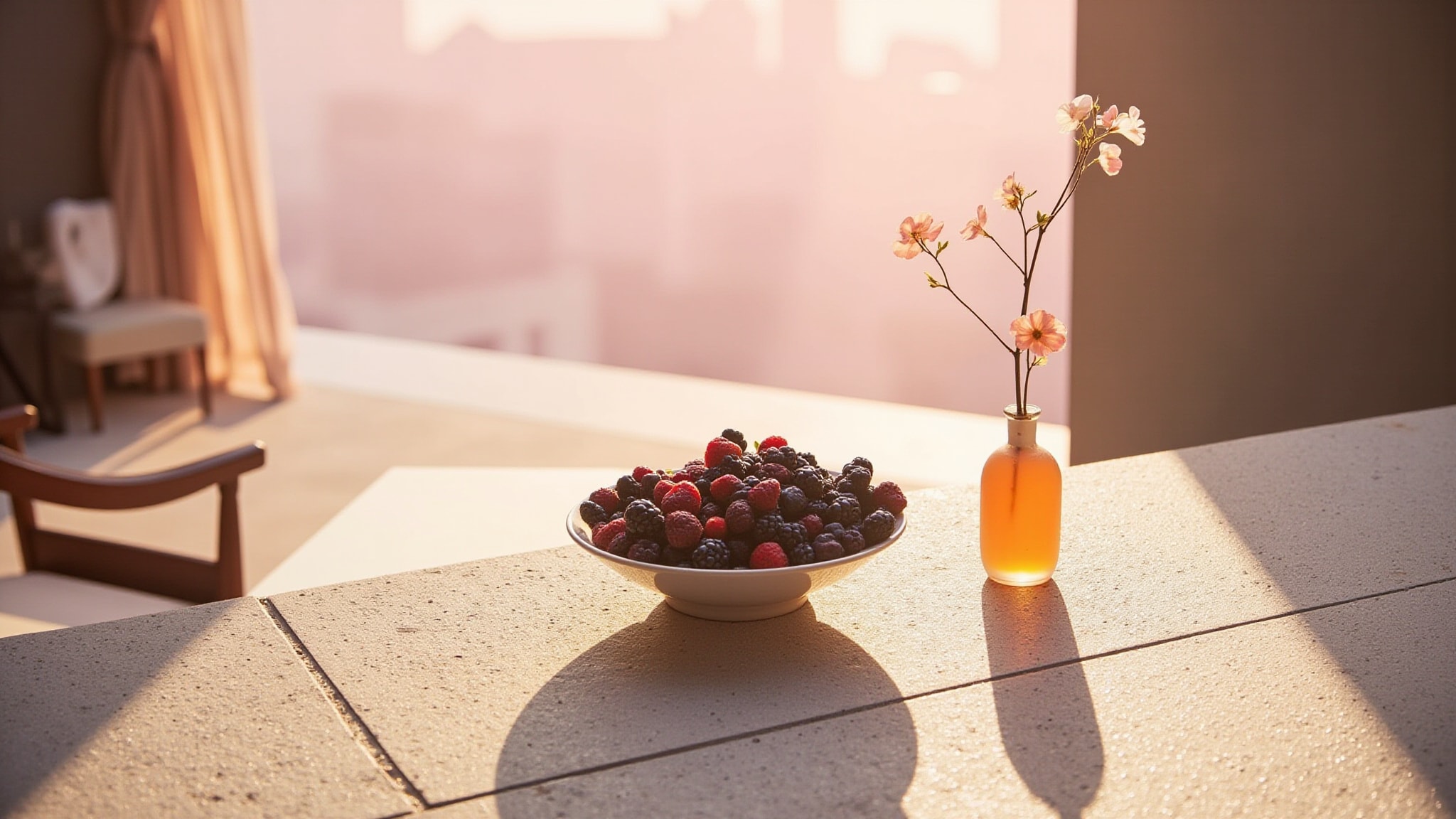
The butterfly motif runs through Hanae Mori like a signature. It appeared on the couture seams, the boutique entrance on avenue Montaigne, the gold-toned cap of the first fragrance. Butterfly arrived in 1996 as the house's inaugural scent, a Japanese fashion house presenting its olfactory identity to the world for the first time. Bernard Ellena crafted it. The brief was clear: honor the plum blossom, the delicate Japanese symbol that meant so much to the designer, but speak a language the world could receive. Ellena reached for fruit, not the sharp citrus of the era's trend, but soft berry. Blueberry, woodland strawberry, blackberry, blackcurrant. Then layered them over florals that balanced East and West: jasmine, Bulgarian rose, French peony. The structure was unusual. Fruity opening, floral heart, woody base. Nothing about it followed convention.
What makes Butterfly worth returning to is the contrast buried in the structure. The top burst is almost confection, four berries doing the work of one. But underneath, the heart carries weight: ylang-ylang brings its own sweetness, jasmine adds texture, Bulgarian rose holds the temperature warm. Then the base anchors everything. Sandalwood and cedar don't just dry down the composition, they pull it from youthful into something more interesting. Almond wood adds a trace of edible character without making it a gourmand fragrance. The result is a pyramid that earns its length. The berries don't disappear, they deepen, become less bright and more present.
The evolution
The first hour belongs to the berries. Blueberry and blackcurrant hit bright, almost sweet enough to smell like something you'd want to drink. The woodland strawberry keeps it from getting heavy. Then the floral heart begins its takeover, jasmine, then peony, then the Bulgarian rose arriving last like a guest who knows they're expected. By the third hour the berries have softened into the background and the florals are running the composition, but the woody base is already beginning its slow build underneath. By the fourth hour something shifts. The sandalwood arrives in full. The cedar keeps its distance but stays present. The almond wood adds a warmth that reads as skin-like, not synthetic. This is where Butterfly earns its reputation, the drydown is close, intimate, the kind of scent that someone notices when they lean in. It lasts well past eight hours on most skin. On dry skin it fades closer to six, which means the wearer who wants to smell it on themselves the next day might want to reapply.
Cultural impact
Butterfly arrived in 1996 as the brand's first fragrance, a Japanese fashion house establishing its olfactory identity at a moment when fruity-gourmand combinations were still becoming a category rather than a convention. The structure was unusual: berries that read as almost edible, florals that pushed toward sophistication, a woody base that kept the drydown from feeling like a dessert. It found its audience among people who wanted something with personality but without volume. Three decades later, the formula still works. The people who keep searching for it tend to be the ones who've learned to appreciate what a well-built pyramid actually does.