French cedar
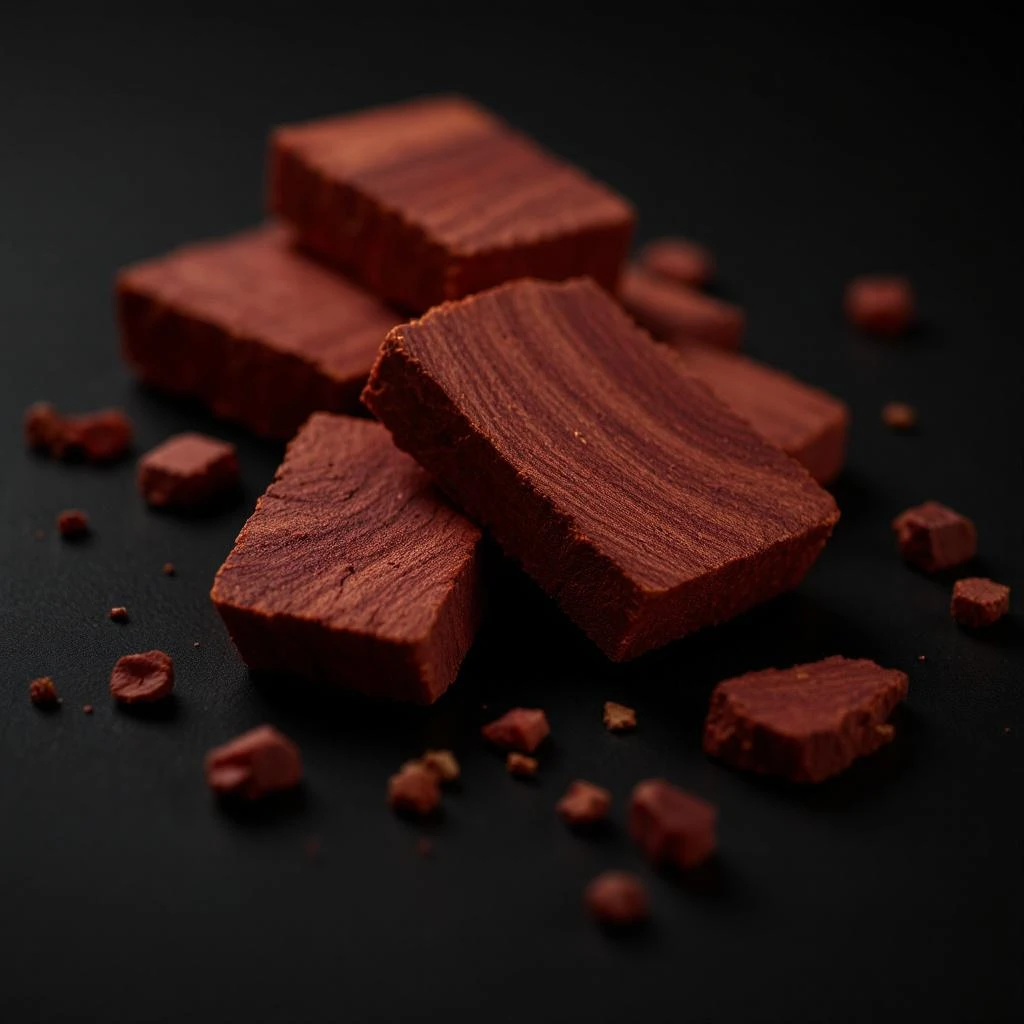
French cedar delivers a refined, pencil-shaving warmth with subtle pencil-wood nuance and a dry, elegant finish that distinguishes it from its American and Himalayan counterparts.
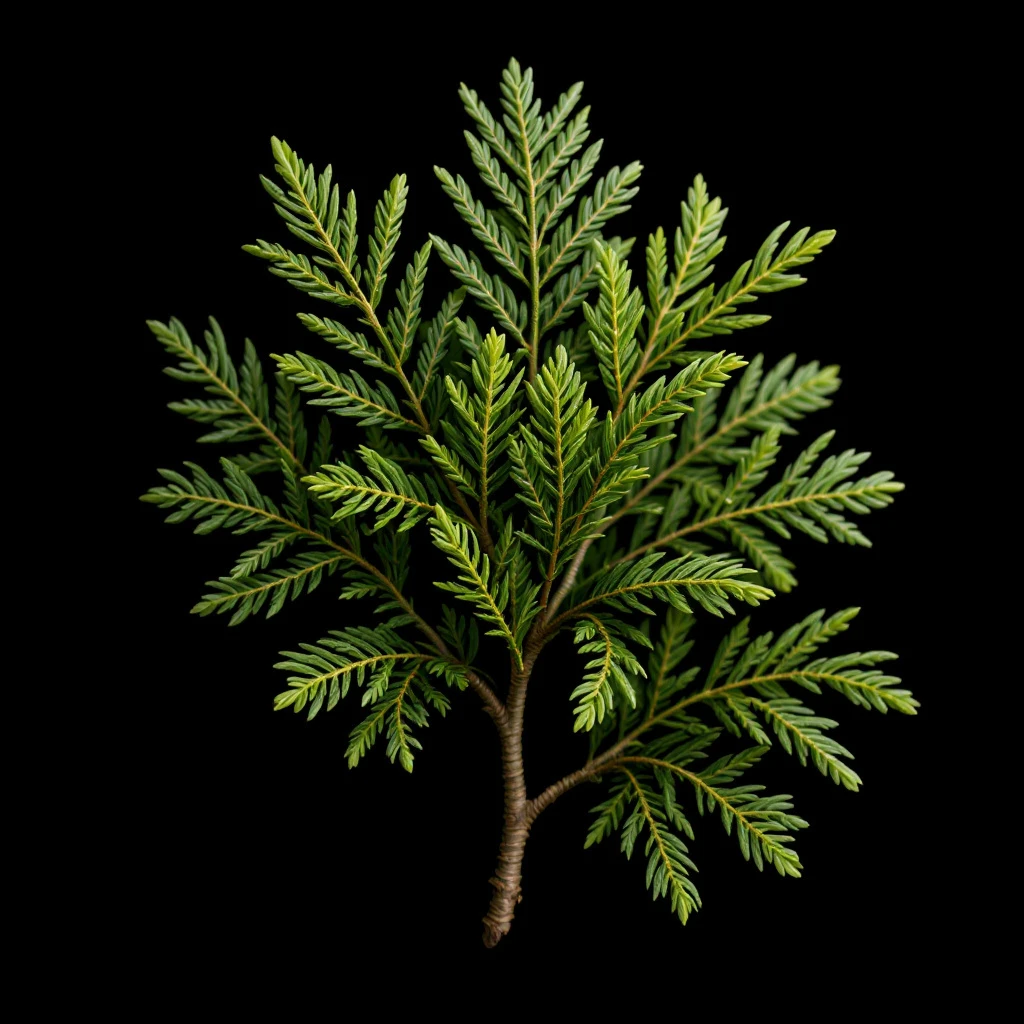
Character
How it smells
Mediterranean warmth in every note
French cedar essential oil contains up to 50% alpha-pinene, giving it a sharper, more camphoraceous character than Virginia cedarwood.



Origin
France
Cedarwood has perfumed human civilization for over 5,000 years. Mesopotamian clay tablets from 1800 BCE recorded cedar oil recipes, while Ancient Egyptian priests used it in temple rituals and embalming. The Mediterranean cedar (Juniperus oxycedrus) specifically grew throughout Southern France, where Grasse became the center of European perfumery in the 12th century.
French cedar found its place in leather goods workshops first, masking animal hides before becoming a foundational perfumery ingredient. During the 19th century, as French perfumery professionalized, cedarwood from Provencal and Alpine regions became standardized for fragrance work. The combination of traditional cultivation knowledge and French distillation expertise created an oil with distinctive character.
Today, French cedar remains valued for its refined profile in masculine and unisex woody compositions, carrying centuries of Mediterranean olfactory heritage.
Wears it best
Fragrances featuring French cedar
Brands
Brands known for French cedar
Good to know
Questions, answered
The essentials on French cedar in perfumery: how it smells, where it comes from, and how it behaves on skin.
What does French cedar smell like?
French cedar smells warm and woody with a dry pencil-shaving quality and subtle pencil-wood nuance. It carries sharper camphoraceous top notes compared to the softer Virginia cedarwood.
How is French cedar oil extracted?
Steam distillation extracts French cedar oil from wood chips and sawdust at 180-200 degrees Celsius over 8-12 hours. This method preserves delicate aromatic compounds while removing waxy residues.
What is the botanical source of French cedar?
French cedar primarily comes from Juniperus oxycedrus, a Mediterranean juniper species native to Southern France and the Provence region. The wood is processed via steam distillation.
Which fragrance families use French cedar?
French cedar appears most often in woody, fougere, and chypre families. It works as a base note in masculine colognes, unisex fragrances, and occasionally in sophisticated feminine compositions.
How does French cedar differ from Virginia cedar?
French cedar contains higher alpha-pinene content (up to 50%), giving it a sharper, more camphorated character. Virginia cedar (Juniperus virginiana) offers a softer, creamier pencil-wood quality.
Is French cedar used in natural perfumery?
French cedar oil is a natural ingredient favored by natural perfumers for its woody warmth and fixative properties. Steam distillation produces it without synthetic solvents.
What geographic factors affect French cedar quality?
The Mediterranean climate of Southern France produces cedarwood with specific aromatic profiles. Soil composition and altitude influence the concentration of key aroma compounds in the extracted oil.
How long has French cedar been used in perfumery?
French perfumers have worked with Mediterranean cedar since the 12th century when Grasse emerged as a perfumery center. Historical records from the 1800s document standardized French cedar oils for fragrance production.