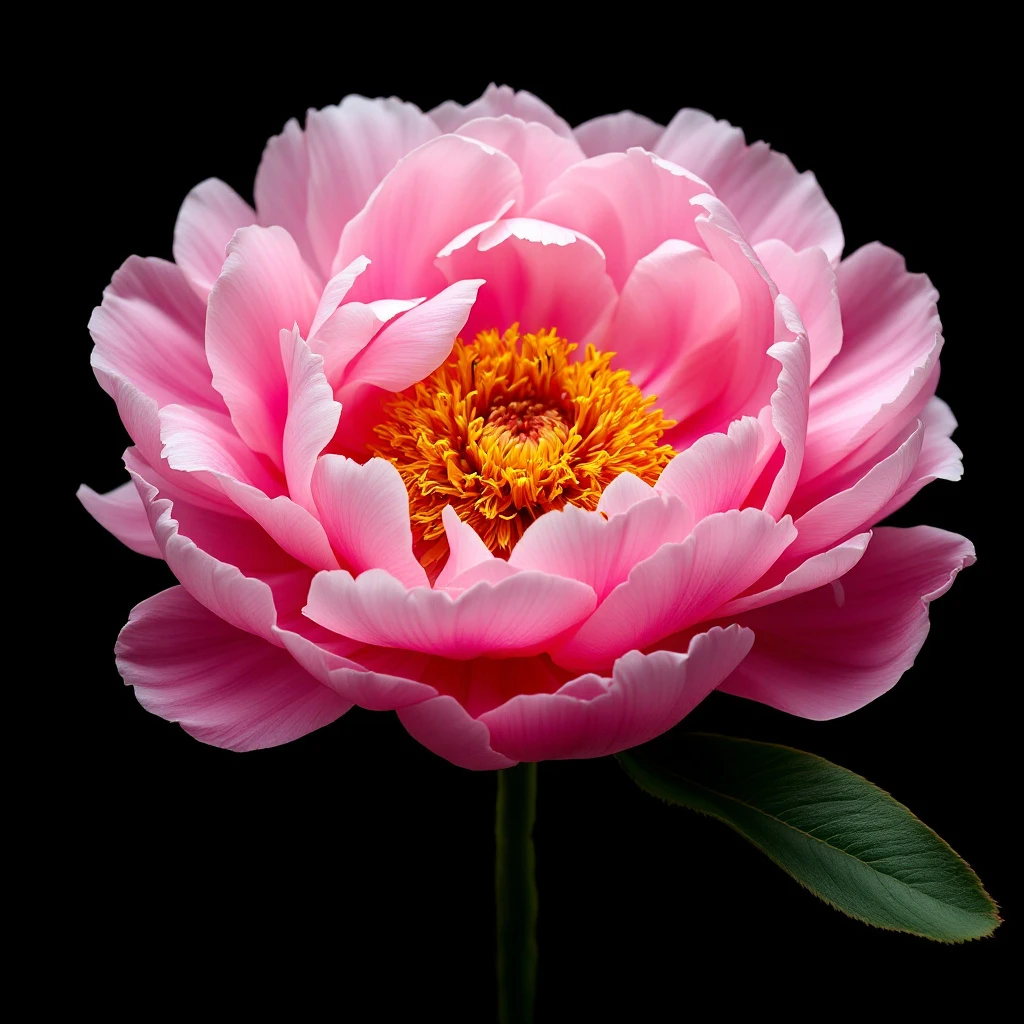
French peony
French peony brings a lush, romantic softness to fragrance compositions. Its powdery-rosy scent evokes spring gardens at golden hour, yet this beloved note comes not from petals but from molecular laboratories in Grasse.
Character
How it smells
A beloved spring bloom, recreated through molecular artistry in the heart of French perfumery.
Despite its ubiquity in fragrance, peony yields no natural extract. Every peony note in perfume is a molecular reconstruction.



Origin
France
Peonies have held significance across cultures for centuries. Ancient Chinese medicine utilized peony root to treat night sweats, injuries, and stomach complaints, while European herbalists valued the flower for its perceived healing properties.
French perfumery established its foundations during the Middle Ages, with the first French perfume appearing in 1370 as the Water of the Queen of Hungary. By the mid-1500s, the town of Grasse had transformed from a tannery-heavy locale into the epicenter of French fragrance production. Local chemists mastered the art of recreating flower essences when natural extraction proved impossible, a technique that would later prove essential for mute flowers like peony.
The integration of peony into French perfumery reflects the industry's broader evolution. With the growth of organic chemistry in the nineteenth century, perfumers gained freedom from natural limitations, constructing aromatic profiles through molecular precision while honoring the cultural heritage of French botanical gardens and the artisanal traditions of Grasse.
Wears it best
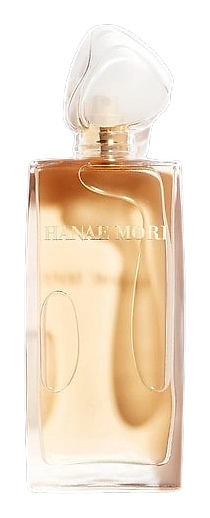
Fragrances featuring French peony
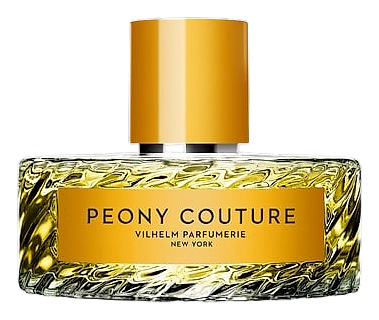
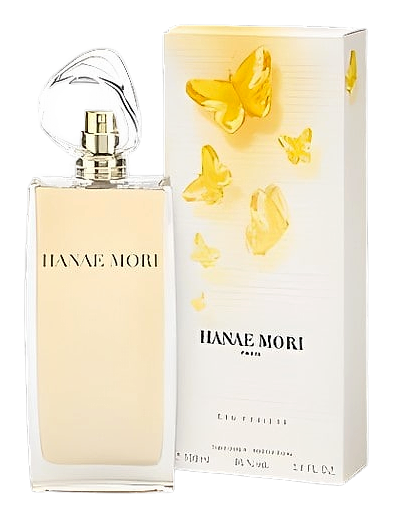
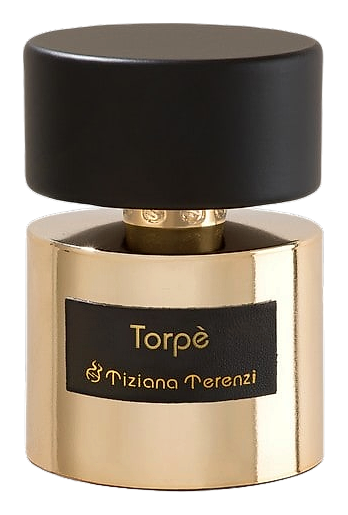
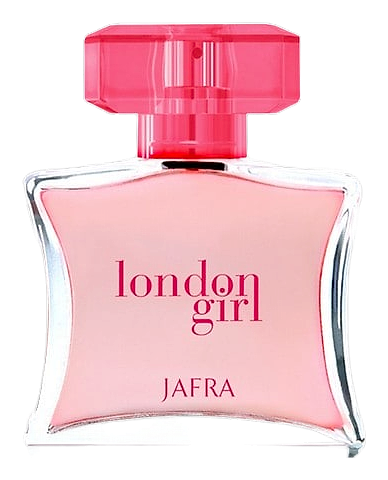
Brands
Brands known for French peony
Good to know
Questions, answered
The essentials on French peony in perfumery: how it smells, where it comes from, and how it behaves on skin.
What is French peony in perfumery?
French peony is a synthesized accord used in fragrance to recreate the characteristic scent of fresh peonies. Since peony is a mute flower that cannot be extracted through traditional methods, French perfumers construct its scent using aroma chemicals like linalool, geraniol, and citronellol.
Why is peony considered a mute flower?
Peony is classified as mute because it does not yield usable fragrant compounds through steam distillation, solvent extraction, or any conventional extraction technique. The delicate aromatic molecules within the petals are lost or altered during processing.
What compounds give peony its characteristic scent?
Studies have identified linalool, geraniol, and citronellol as the primary compounds contributing to peony's scent profile. Linalool adds a light citrus-rosy quality, geraniol provides a sweet floral note, and citronellol contributes a rosy-citrus nuance.
How do French perfumers create peony accords?
French fragrance houses work with local aroma chemical manufacturers to blend specific molecules that recreate peony's signature scent. This molecular approach allows precise control over the floral, powdery, and slightly green character of the final accord.
Where do French perfumers source their peony inspiration?
The cultivars most commonly referenced include Paeonia lactiflora and Paeonia officinalis, grown in French garden settings. While the accord molecules are synthesized, they are designed to evoke these specific cultivated varieties.
Does natural peony extract exist?
No, natural peony extract does not exist as a viable commercial product. Every peony note found in perfumes is a reconstructed accord built from individual aromatic molecules in laboratory settings.
What is the historical significance of peony?
Peony held medicinal importance in Traditional Chinese Medicine for centuries, used to treat night sweats, injuries, and stomach pains. In European tradition, the flower symbolized honor and prosperity.
What challenges does peony pose for perfumers?
The main challenge is recreating the fresh, delicate character of peony without any natural raw material to reference. Perfumers must balance multiple aromatic compounds to achieve an authentic floral effect that captures the flower perceived in nature.