Almond Wood
Almond Wood brings a warm, nutty woody character to perfumery, derived from the bark and pruned branches of the bitter almond (*Prunus dulcis*) tree. Once a staple of Western perfumery, this aromatic wood now appeals to those who value rarity and botanical authenticity in fine fragrance.
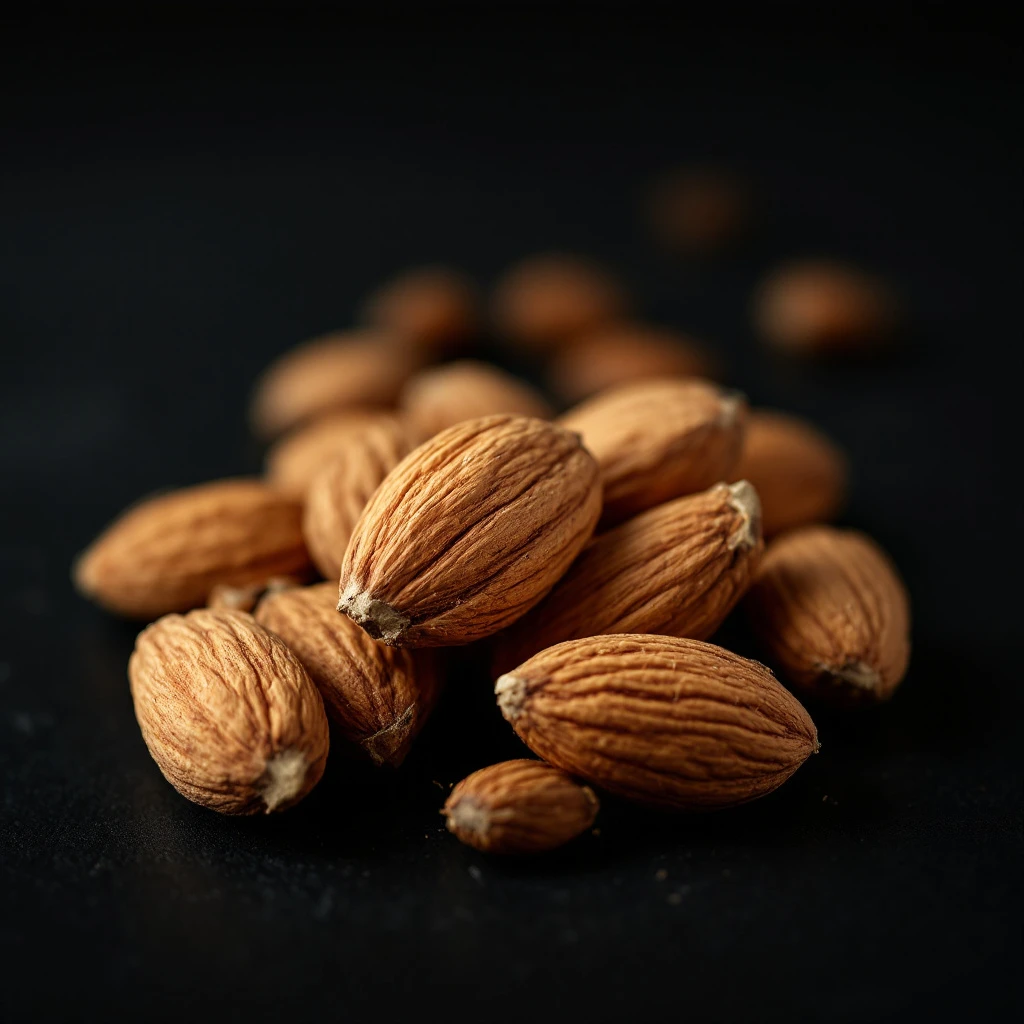
Character
How it smells
The warm, nutty scent that bridges sweet and woody.
Bitter almond shells contain up to 8% benzaldehyde by weight, making them a surprisingly potent natural source for this characteristic scent.





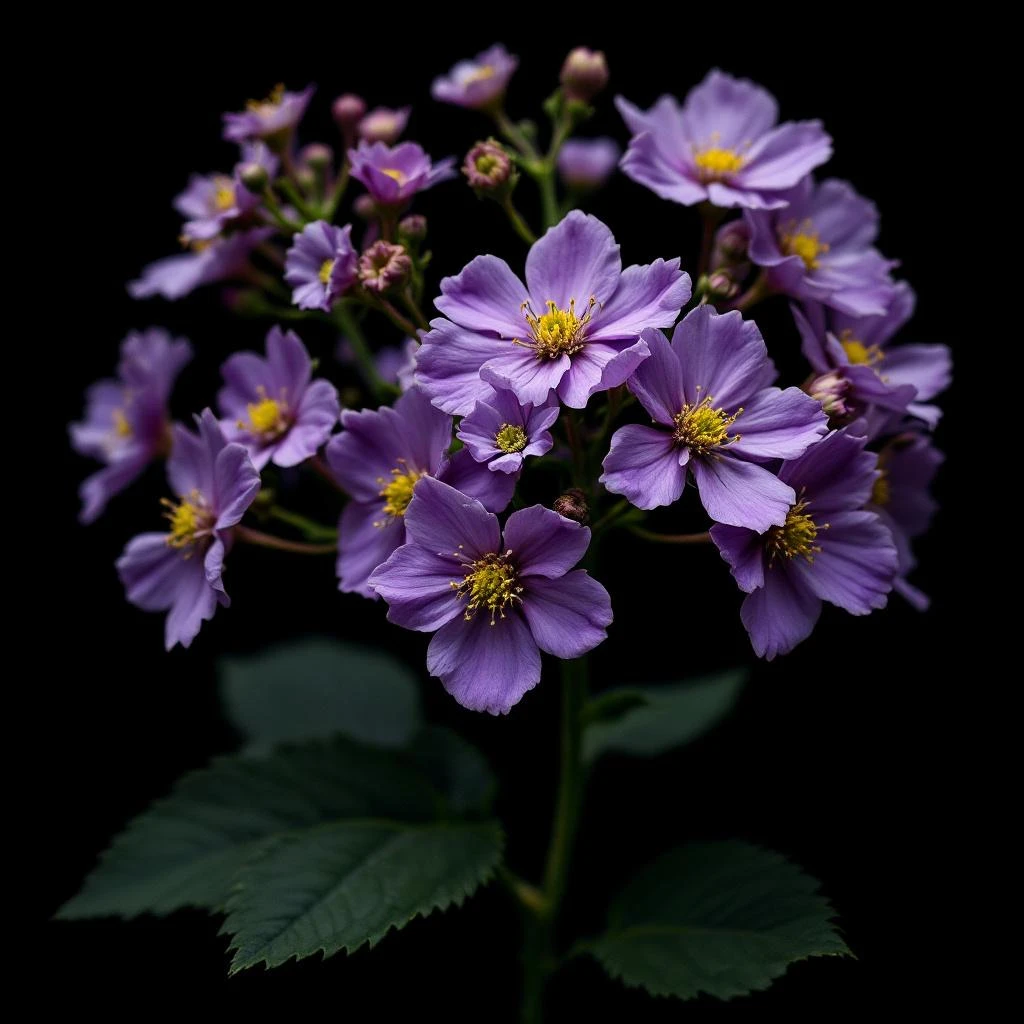



Origin
Mediterranean Basin
The almond tree (*Prunus dulcis*) was among the first fruit trees cultivated by humans, with evidence of use stretching back over 5,000 years in the Near East and Mediterranean. Ancient Mesopotamians gathered wild almonds for food and medicine. The Romans spread cultivation throughout their empire, planting almonds in regions with Mediterranean climates.
Distilled bitter almond preparations appear in early European pharmaceutical texts. Western perfumers began using bitter almond wood and shells as a fragrance material during the 18th and 19th centuries, finding workarounds when whole seeds were needed for culinary applications. The material held particular importance as natural benzaldehyde became commercially valuable in perfumery.
Today, natural Almond Wood oil is a niche ingredient, valued primarily by small-batch and artisanal producers who seek its complexity over synthetic alternatives. The Mediterranean basin and California remain the primary cultivation regions for *Prunus dulcis*.
Wears it best
Fragrances featuring Almond Wood
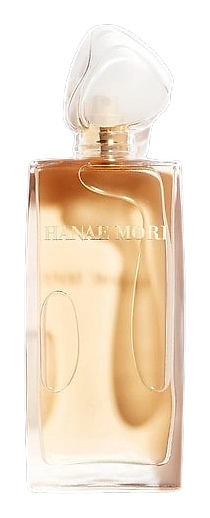
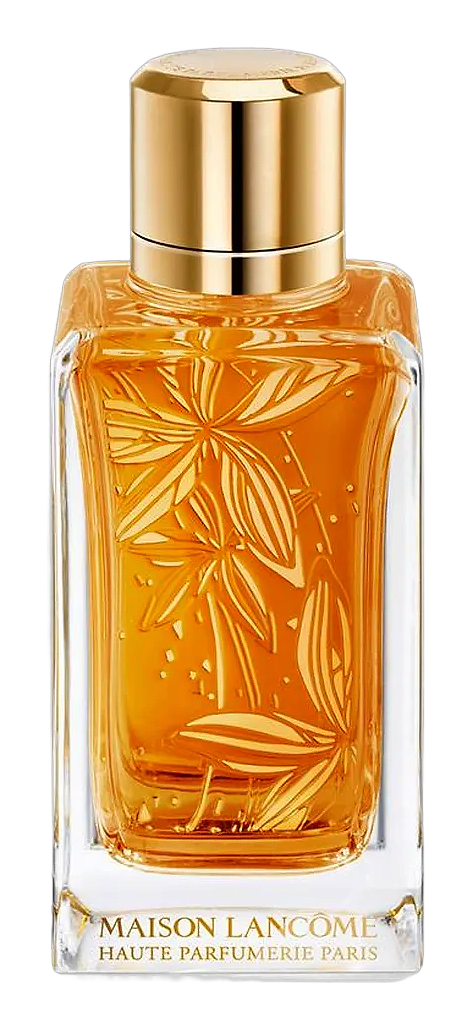

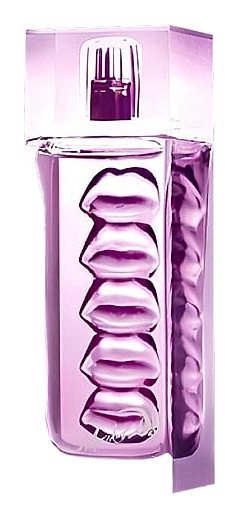
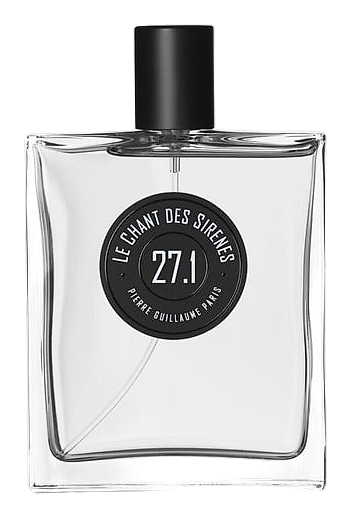
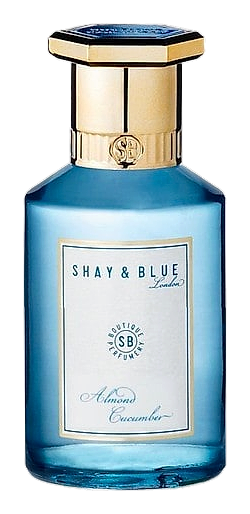
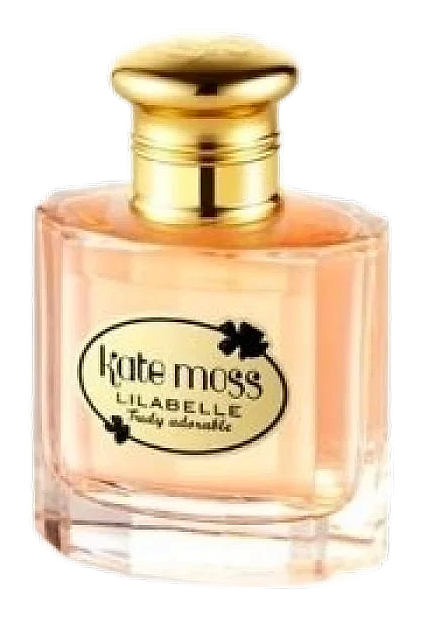
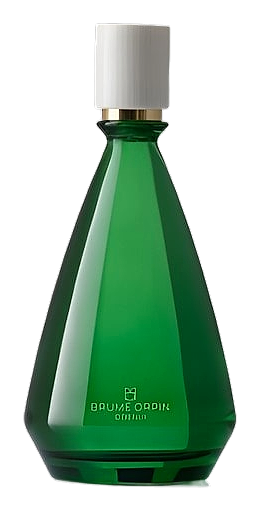

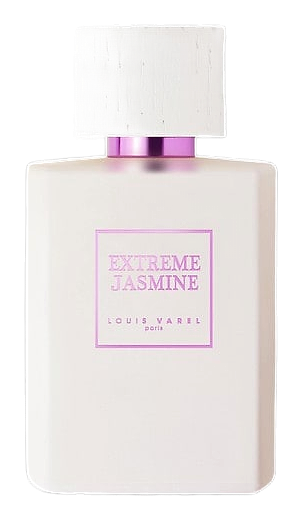
Brands
Brands known for Almond Wood
Good to know
Questions, answered
The essentials on Almond Wood in perfumery: how it smells, where it comes from, and how it behaves on skin.
What does Almond Wood smell like?
Almond Wood delivers a warm, nutty scent with clean benzaldehyde sweetness balanced against woody base notes. It reads simultaneously sweet and slightly bitter, evoking both marzipan and weathered bark. This duality makes it distinctive among wood-derived aromatic materials.
Is Almond Wood safe to use in perfume?
Raw bitter almond material contains cyanogenic compounds that release hydrogen cyanide, requiring professional processing to remove before any perfumery use. Properly distilled Almond Wood oil is safe for cosmetic and perfume applications when sourced from reputable suppliers who verify HCN levels meet industry safety standards.
How does Almond Wood differ from synthetic benzaldehyde?
Synthetic benzaldehyde reproduces the characteristic almond scent but lacks the additional woody and balsamic nuance found in natural Almond Wood oil. Natural extracts from the wood itself contribute aromatic complexity that synthetic versions cannot fully replicate, particularly in the top-note development.
How common is Almond Wood in modern perfumery?
Almond Wood is a relatively uncommon ingredient in mainstream perfumery. Most commercial perfumes use synthetic benzaldehyde or benzaldehyde-containing naturals like peru balsam instead. It appears more frequently in artisanal and niche fragrances from houses emphasizing natural or rare materials.
What perfume families pair well with Almond Wood?
Almond Wood fits best in oriental, gourmand, and woody fragrance families. It harmonizes naturally with tonka bean, benzoin, heliotrope, sandalwood, and ambrette seed. These pairings reinforce its warm, nutty character while adding depth and staying power.
Is Almond Wood a natural or synthetic ingredient?
Almond Wood is a natural ingredient obtained by distilling wood, bark, or shells from the bitter almond tree. It faces competition from synthetic benzaldehyde, which dominates commercial perfumery due to lower cost and consistent availability. Natural Almond Wood remains a specialty material valued for its complexity.
What sustainability considerations surround Almond Wood?
Bitter almond trees grow readily in Mediterranean climates and California, making the raw material relatively renewable. The shells used for extraction are often byproducts of food industry kernel processing, which supports efficient resource use. Harvesting must avoid harming the living tree, typically relying on pruned branches and shells.
What should beginners know before exploring Almond Wood?
This is a niche ingredient where knowledge of sourcing and processing matters greatly. Always verify that natural Almond Wood oil has been professionally distilled to remove cyanogenic compounds. Start by exploring fines fragrances or natural perfumery lines that feature it as a named component to understand its character firsthand.