The Story
Why it exists.
The beginning
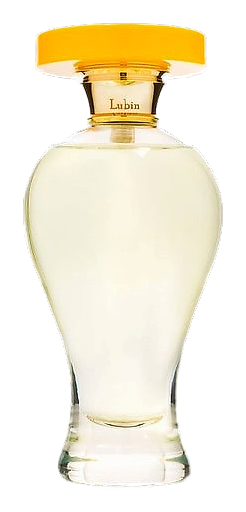
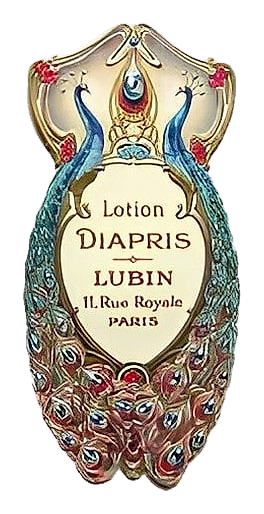
Diapris arrived in 1922 from Lubin, a historic perfumery house with roots stretching back to the early nineteenth century. The composition sets out to make an impression, and it does so with a quiet kind of insistence that feels entirely of its moment. Released into a world still adjusting to the modern age, the scent carried the vocabulary of an older perfumery tradition, one that valued restraint and nuance over volume. Diapris belongs to the catalogue of compositions Lubin was building during that period, a catalogue that rewarded close attention rather than casual acquaintance. The production was apparently discontinued, which only sharpens its mystique for those who stumble onto a sealed bottle.
The construction leans on a careful selection of materials, each chosen for the role it plays in the overall architecture of the scent. The florals at the heart are given room to breathe, and they reward that patience by unfolding slowly across the first hour of wear. Around them, the composition builds a structure that holds the airy elements in place, grounding what might otherwise feel ephemeral. The interplay between translucent florals and the anchoring base is what makes Diapris feel diaphanous without feeling weightless. It floats, but it knows where to land.
The evolution
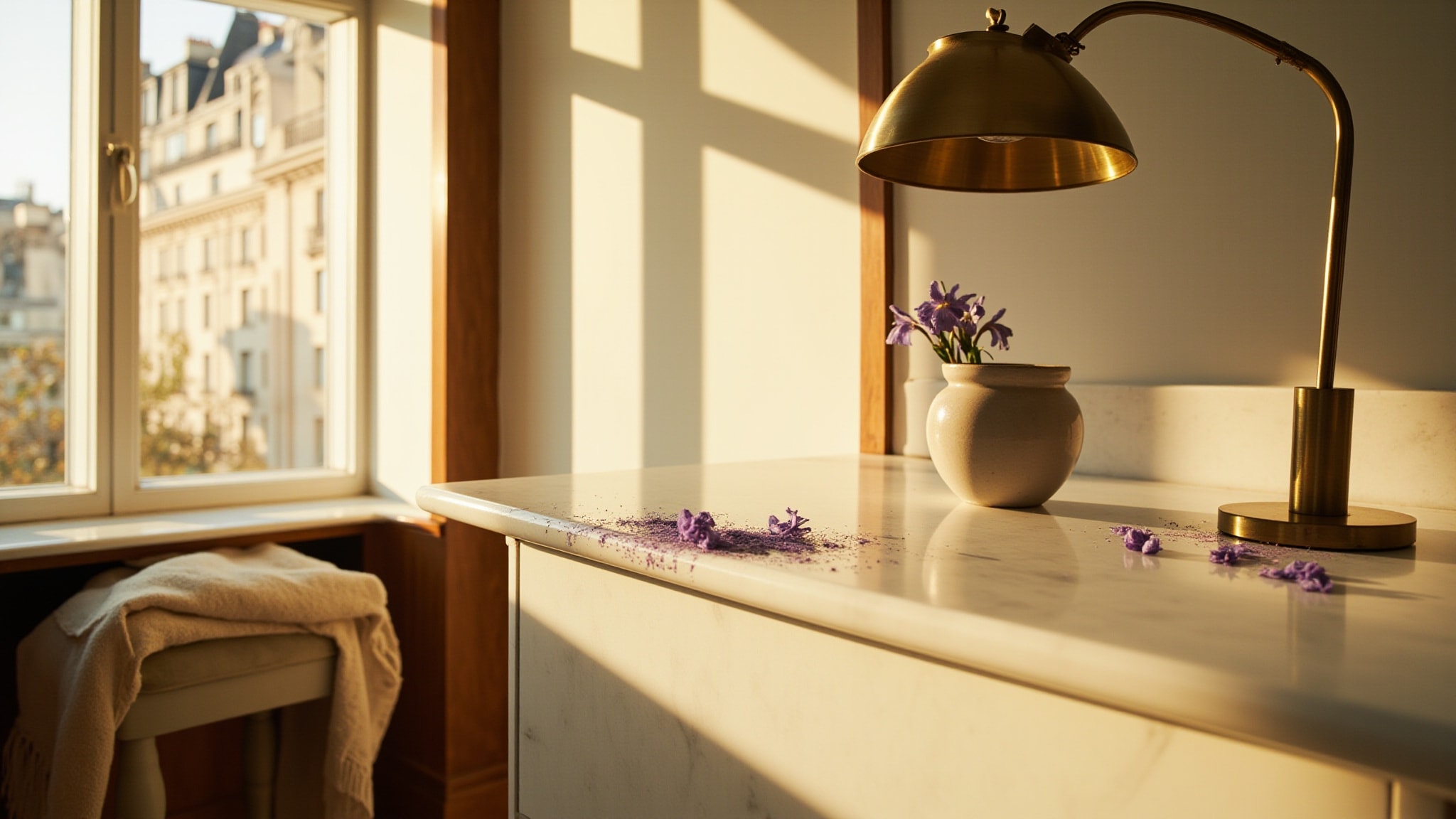
The opening arrives bright and almost metallic, catching the light with a clean, cold-edged clarity that feels distinctly of its era. For the first twenty minutes the scent reads as soapy-clean, almost cologne-like, the kind of crispness that catches the light off a crystal decanter. Then the florals begin to assert themselves, and the whole thing pivots into powder. Not the dry chalk of a compact, but the warm, skin-warmed powder of someone who has just removed a silk scarf, with a faint sweet edge that suggests heliotrope or violet rather than anything gourmand. The heart holds for the better part of two hours, occasionally flickering with a brighter floral accent that never quite names itself but keeps the composition from settling too soon. By the third hour the composition drifts into its base: a soft, woody warmth that feels closer to clean skin than to any identifiable material.
Cultural impact
Diapris sits within a specific moment in fragrance history, the early decades of the twentieth century, when perfumery was developing a vocabulary that emphasized delicacy and quiet sophistication. It wears like a vintage find, more curio than commercial release, and it carries the particular gravity of something made before our current ideas about marketing and mass appeal had taken hold. The scent doesn't announce itself, doesn't compete for attention, and that restraint has become part of its appeal for anyone drawn to the slower pleasures of a perfume that expects you to meet it halfway.