The Story
Why it exists.
The beginning
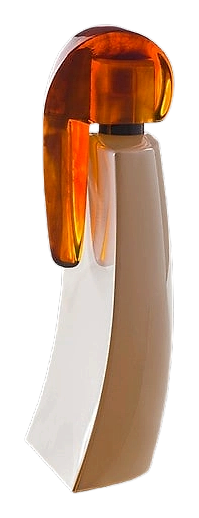
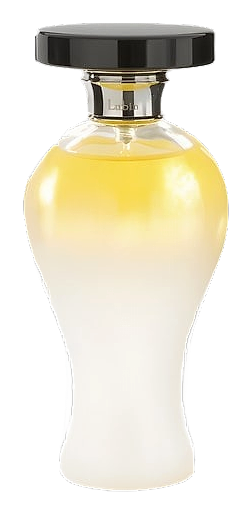
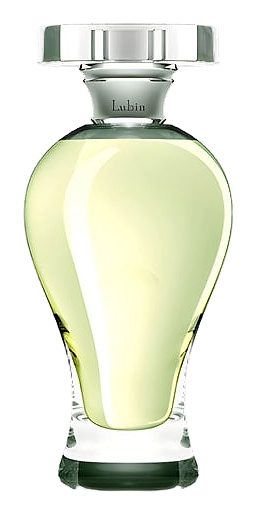
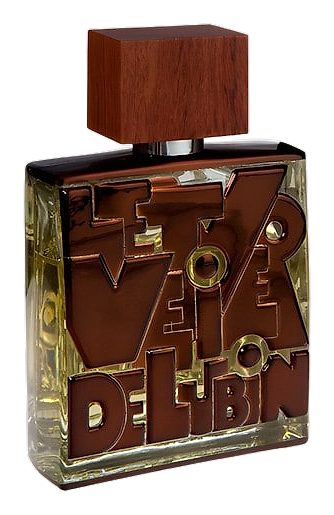
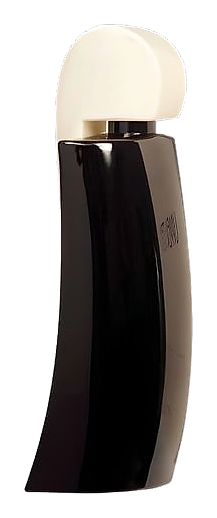
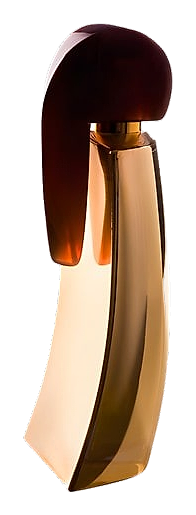
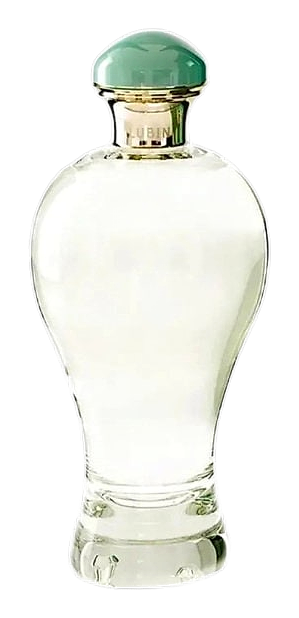
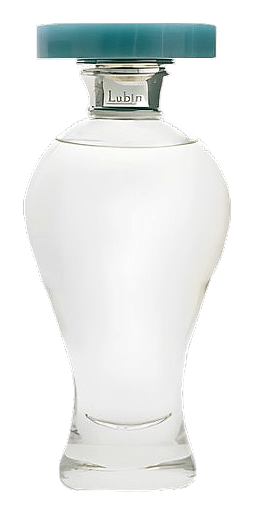
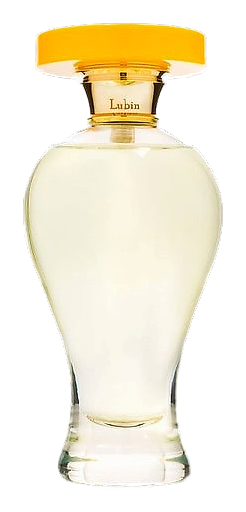
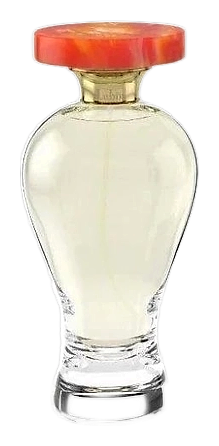
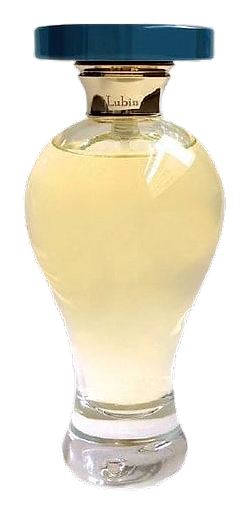
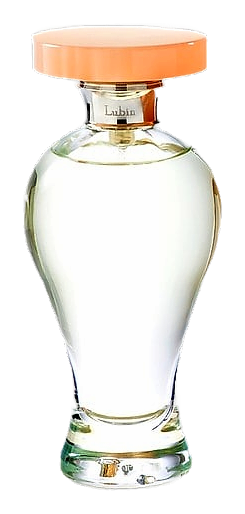
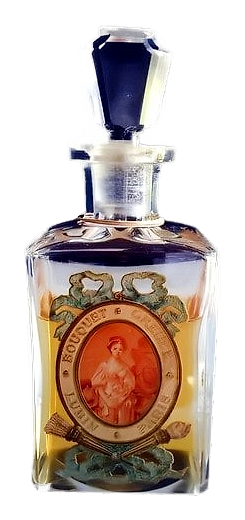
Bouquet Greuze arrived in 1908, emerging from a Parisian perfume house whose reputation had been quietly built over more than a century of refined, garden-inspired compositions. The fragrance reflects the kind of floral restraint that defined Lubin's early twentieth-century output: compositions designed for women who treated scent as an accessory to grace rather than a statement. Period sources frame it as a floral, a category label that does a lot of quiet work here, promising prettiness while the actual juice delivers something more measured. The bottle carries the same restrained aesthetic, a presentation meant to sit comfortably on a dressing table alongside other elegant French perfumery of its day.
What makes a 1908 floral worth talking about now is the structure beneath the prettiness. The composition reads as simple, almost old-fashioned at first sniff, but there's a deliberate architecture underneath that keeps the flowers from collapsing into a single sweet impression. Rather than stacking petals on top of petals, the formula seems to balance brightness against softness, layering the airy lift of the opening against the warmer, closer-to-skin impression that settles in once the scent has had time to breathe.
The evolution
The first thirty minutes are the brightest the scent ever gets. The floral accord lifts off the skin with an almost cologne-like clarity, giving the opening a transparent, just-out-of-the-bottle radiance. That lift is short-lived, though. Within the hour, the composition begins to fold inward, and the whole thing tips into powder. Not the chalky, cosmetic-case kind. The softer, more buttery variety that reads as skin and silk and the inside of a pressed-flower book. The powder becomes the central character for a long stretch, softening every edge and pulling the florals down into something quieter and more tactile. Even at this stage, there is a subtle interplay between the warmer, skin-like elements and a cooler sweetness that keeps the powder from drying out or turning flat. The later stages are where the patience pays off.
Cultural impact
Bouquet Greuze belongs to a category of early twentieth-century Lubin florals that defined a specific moment in French perfumery. These compositions rarely surface in modern fragrance discussions because the originals are difficult to find today, which is part of what makes encountering one feel like a small discovery. Wearing it is less about current trends and more about inhabiting a particular era of perfumery, one when the floral brief was treated with a sculptor's discipline and the goal was elegance rather than impact.