The Story
Why it exists.
The beginning
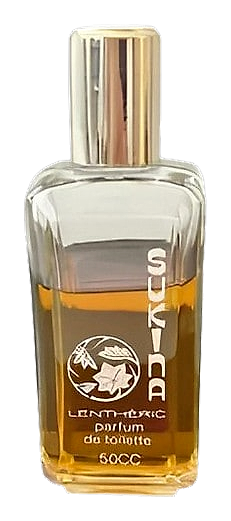
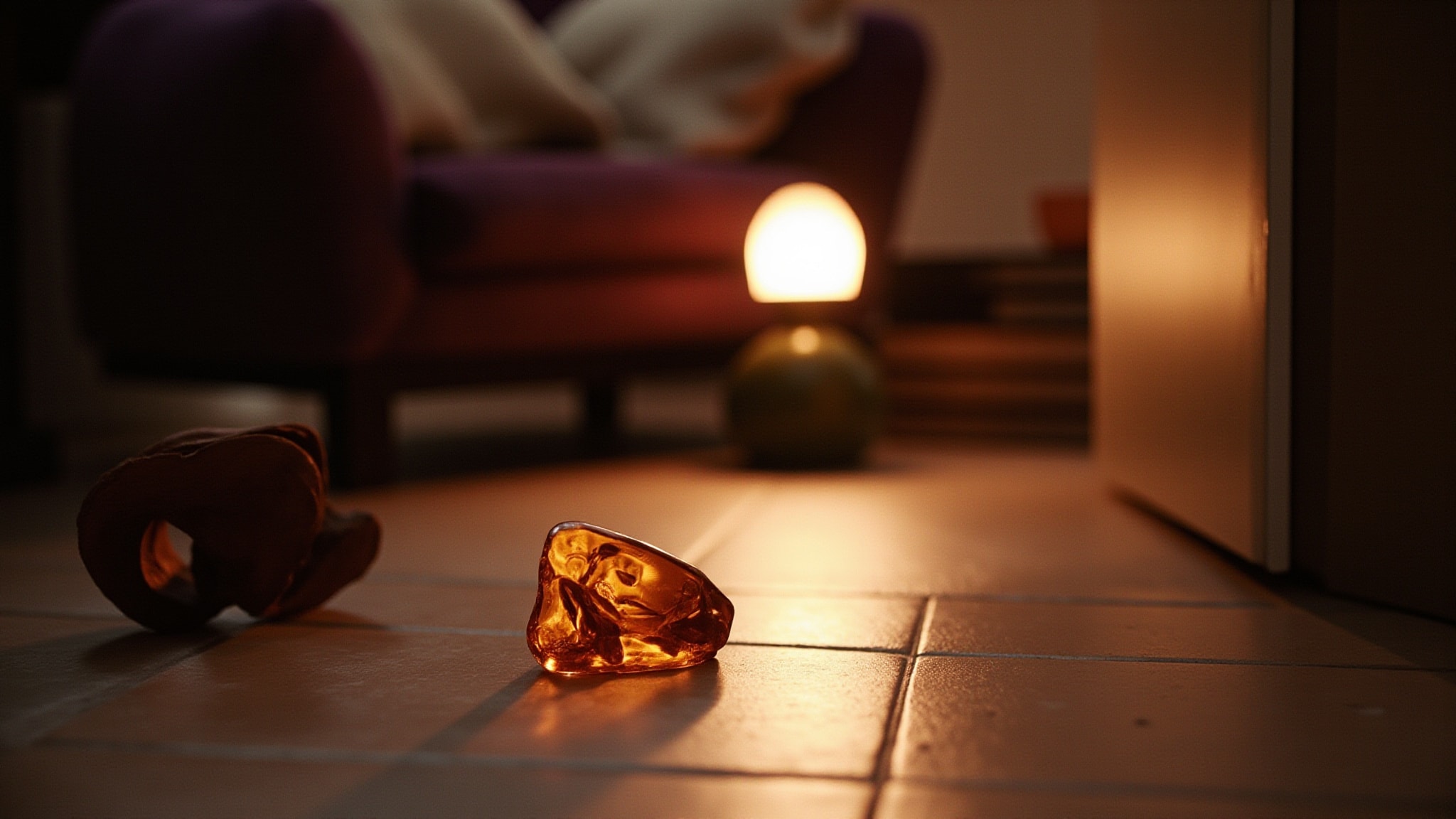
Sukina arrived in 1913, a year when the perfume world was still finding its own vocabulary for warmth and weight in fragrance. The name carries a softness, a near-whisper, though the composition under it leans warm and resinous rather than delicate. There is something almost edible in the way the amber rises first, a sweetness that suggests honey or dried fruit before the spices arrive to complicate it. The patchouli underneath grounds everything in earth and shadow, while the oud adds a smoky, almost bitter depth that keeps the sweetness from tipping into something simple. It is categorized as a women's fragrance, but the mood reads more about texture than gender, the feeling of being buttoned into something heavy on a cold afternoon when the light outside has already gone grey.
What makes Sukina worth noticing is what the research calls a rich, resinous, spiced, leathery composition built on amber, with patchouli and oud providing depth underneath. That combination, deep resins layered with dark wood and sweet warmth, gives the juice a particular gravity on the skin. The amber acts as a kind of anchor for everything else, the sweetness underneath, the spice threading through, the leathery quality that adds texture without becoming sharp.
The evolution
Sukina opens with a wave of warmth, resinous and slightly sweet, the kind of opening that reads almost edible before the spices sharpen it into something drier. The first moments feel dense, the air around the wrist thickening with amber and the heavier base materials beginning to surface. As the composition settles, the florals that exist beneath the heavy base make their presence felt, and the whole thing tilts firmly into its amber-patchouli-oud register, warm, slightly smoky, with a sweetness that has gone from confectionary to something more like dried fruit and wood. The drydown is where the character of the juice becomes most apparent, a deep, dark amber that holds close to skin for hours. On fabric, the amber persists well into the next day, quieter, almost like the scent of an old book left open on a table.
Cultural impact
Sukina occupies an unusual position among early twentieth-century French perfume releases, a composition that leads with amber and base materials rather than the floral hearts that defined much of the era. Wearers who encounter it often describe the experience in physical terms, the weight of it, the warmth, the way it changes across the hours. Its discontinued status has moved it beyond regular retail channels, and finding a bottle now typically means navigating vintage and secondary markets.