The Story
Why it exists.
The beginning
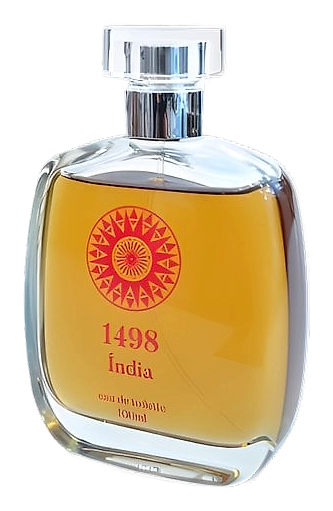
Paula Gomes composed Índia 1498 for Leme in 2022. The year 1498 appears alongside a historical reference to Europeans reaching Calicut and opening the sea to new trade with India. Leme frames that moment through local spice and the sweetness of trade, creating a composition that feels less like a museum reconstruction than a remembered harbor air. The result pairs bright citrus with jasmine, rose, neroli, and pink pepper, then grounds all that polished brightness in woods, musk, labdanum, and vanilla. It's history through the senses: a meeting point rendered as scent.
The unusual part is the balance. Citrus and mint bring a clean, briny lift, but the heart doesn't stay crisp. Jasmine, orange blossom, and rose introduce a soft white-floral fullness, sharpened by pink pepper and tempered by orris root's powdery texture. Down below, cedar, sandalwood, and vetiver keep the sweetness from floating away. Musk, vanilla, and labdanum give the composition a creamy, ambered base. Nothing here is a single-note gesture. It's the contrast between bright citrus, delicate florals, spice, woods, and soft musks that gives the fragrance its sense of place.
The evolution
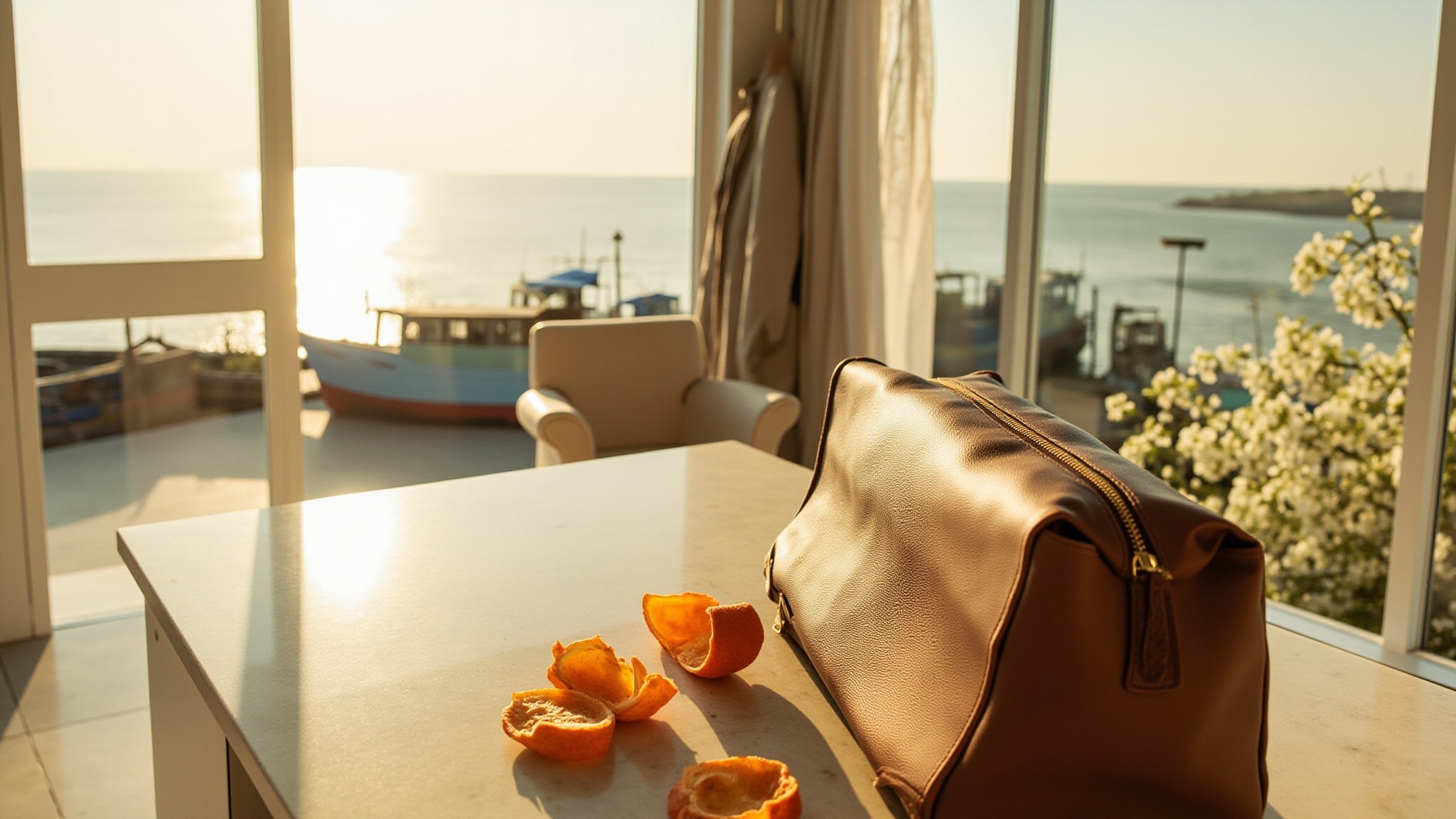
It begins with a brisk, sunlit lift. Bergamot, lemon, mint, neroli, and tangerine make the first impression almost citrus-water, while pink pepper adds a clean heat that keeps it from turning into simple lemon fizz. That brightness loosens into jasmine, orange blossom, rose, and a cool aquatic thread, as though the air over open water has picked up the warmth of nearby flowers. Orris root adds a soft, powdered hush. Later, cedar, vetiver, and sandalwood bring a measured woodiness. Labdanum, musk, and vanilla leave a rounded, amber-like finish, creamy without turning overtly dessert-like. On skin, the arc settles into a warm floral-woody trace, polished but still carrying a faint saline edge.
Cultural impact
Índia 1498 uses a historical reference as part of a contemporary fragrance identity. The year 1498 is paired with the documented maritime moment of Europeans reaching Calicut and opening the sea to new trade with India, while the composition itself moves between citrus, mint, jasmine, orange blossom, rose, pink pepper, woods, musk, vanilla, labdanum, and orris root. Its interest lies in the meeting point of a specific historical marker and a broad sensory palette, bringing together bright fruit notes, florals, spice, wood, and soft base accords in one fragrance.
The House
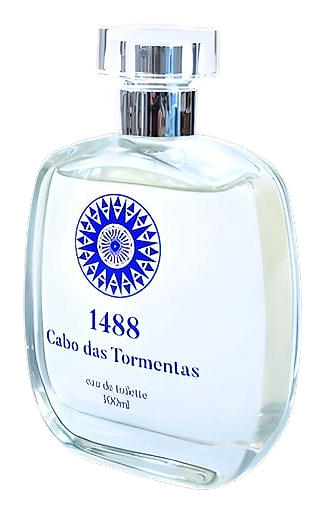
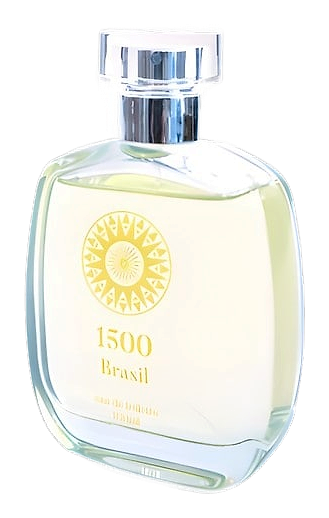
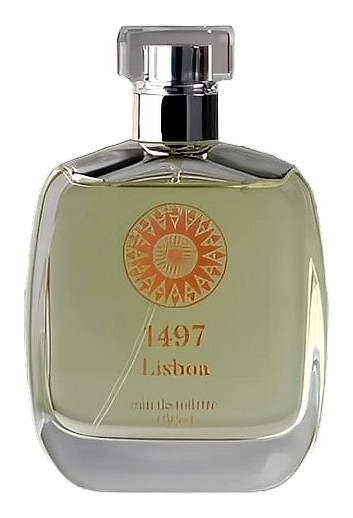
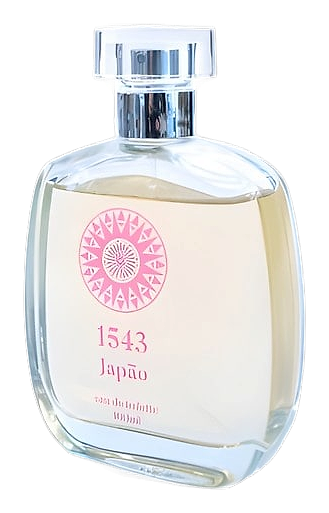
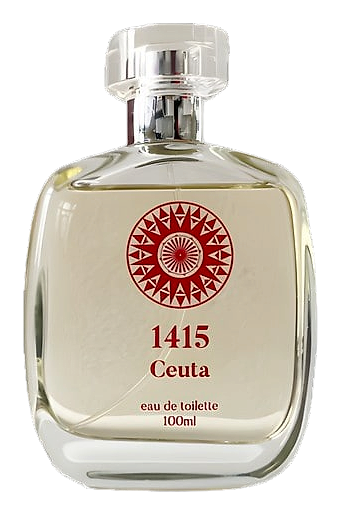
LemeLeme is a Portuguese fragrance house that builds its library around dates, ports, and sea routes from the age of Portuguese exploration. Each composition is tied to a specific historical moment or place, from Ceuta in 1415 to Lisboa in 1497, turning the olfactory experience into a sort of sensory atlas. Part of the parent company 100ml, Leme operates under the longer name Perfumes com Estória (perfumes with a story), a detail that signals their narrative-led approach. Their catalogue reads like a chapter list of Atlantic crossings, with titles such as Porto 1394, 1488 Cabo das Tormentas, 1500 Brasil, and 1543 Japão, each anchoring a fragrance to a voyage, encounter, or turning point in maritime history.
The Creator
Paula GomesWith nine perfumes attributed to her in the available research and an average rating of 7.