
The Story
Why it exists.
The beginning
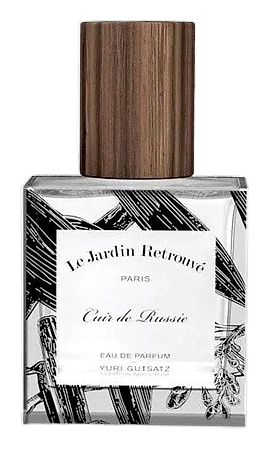
In 1977, perfumer Yuri Gutsatz of Le Jardin Retrouvé set out to translate the legendary Russian leather of Sergei Diaghilev's ballet boots into liquid form. His ambition was not imitation but translation, capturing the supple, slightly animalic character of that leather without simply replicating it. The result is a fragrance that honors its source material while standing entirely on its own terms.
The note structure reflects a philosophy of contrast and balance. Aldehydes and citrus create immediate intrigue; violet and styrax provide warmth; leather and cade ground the composition in smoke and animalic depth. The pairing of ylang-ylang with cade oil is deliberate, the former's tropical sweetness offsetting the latter's harshness, ensuring the drydown remains elegant rather than aggressive. Each ingredient serves the narrative of translating a historical material into a contemporary wearable form.
The evolution
Cuir de Russie begins with a crisp aldehydic burst, its citrus top notes of lime, lemon, and petitgrain bright and assertive. The aldehydes function as both amplifier and connector, lending an almost luminous quality to the citrus while preparing the nose for the floral transition. As the top notes recede, violet emerges alongside violet leaf, ylang-ylang, styrax, and cedarwood, shifting the fragrance from bright to soft, from sharp to powdery. This powdery-resinous heart eventually gives way to the drydown, where leather takes its rightful place as the dominant accord. Supporting notes of oakmoss, patchouli, cade oil, vetiver, sandalwood, and labdanum enrich the leather with mossy, smoky, earthy, and creamy dimensions that extend the wear for many hours.
Cultural impact
Since its 1977 debut, Cuir de Russie has been celebrated by collectors for reviving the classic Russian leather archetype with a modern twist. Its unisex appeal draws both men and women who appreciate a sophisticated leather scent that isn’t overtly masculine. Critics often note its balanced powdery violet side, setting it apart from harsher leather offerings. Over the decades it has maintained a steady niche following, frequently cited alongside other timeless leather icons like Chanel’s Cuir de Russie reinterpretations.