The Heritage
The Story of Le Jardin Retrouve
Le Jardin Retrouvé stands as a quiet rebellion against perfume’s commercial tide. Founded in 1975 by Yuri Gutsatz, the house invites collectors to rediscover classic accords crafted with the same ingredients the founder first sourced. Each bottle whispers a memory of Parisian ateliers, offering a refined pause in a world of fleeting trends.
Heritage
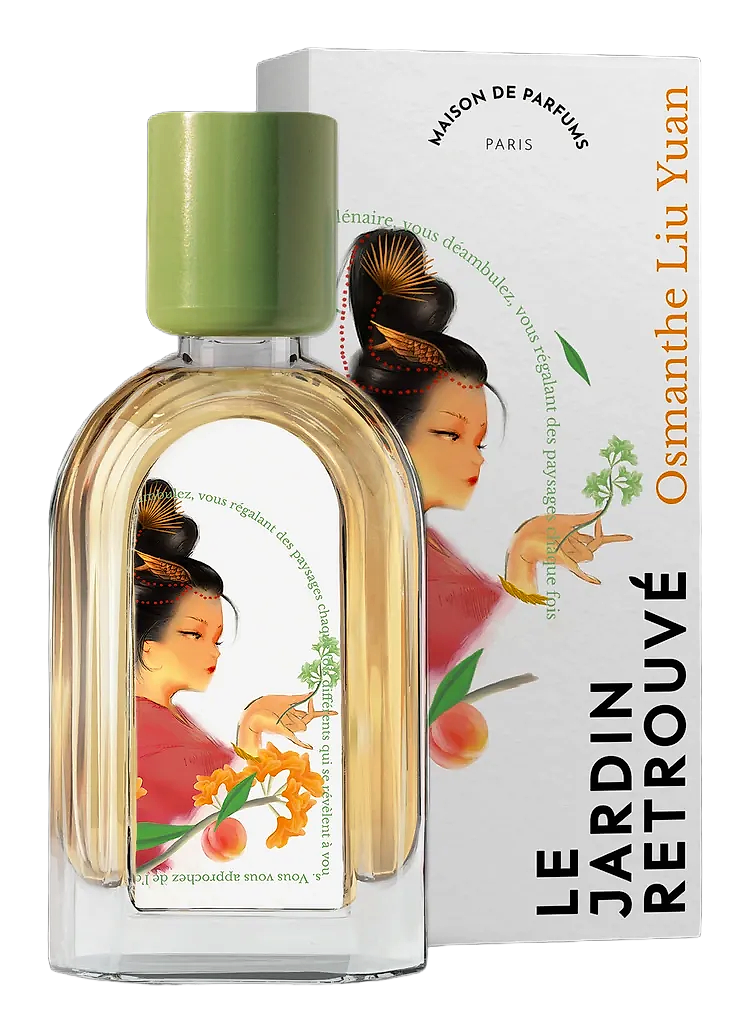
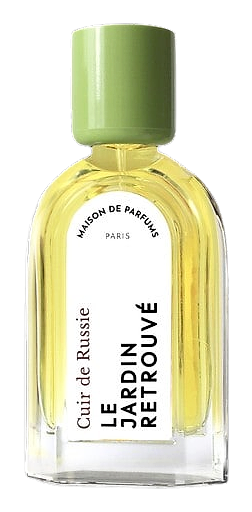
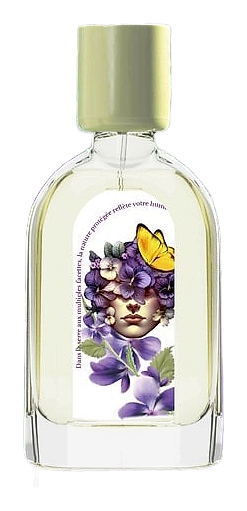
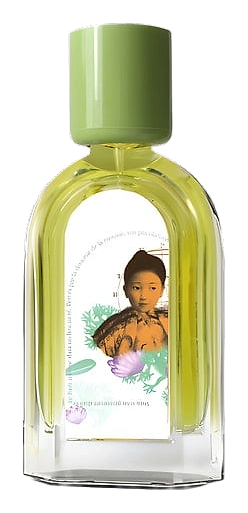
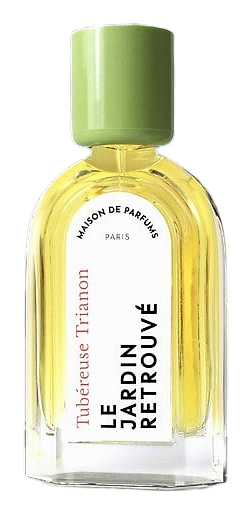
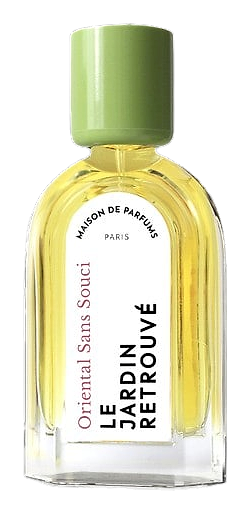
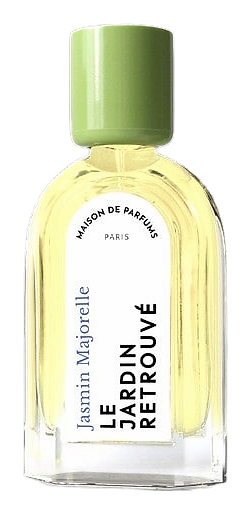
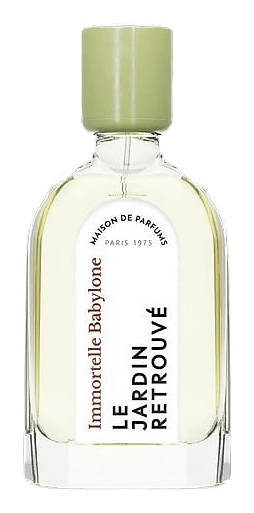
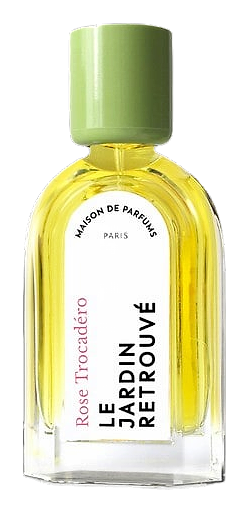
In 1975 Yuri Gutsatz, a perfumer weary of marketing’s grip, left the safety of established houses to launch Le Jardin Retrouvé. He built a network of raw‑material suppliers he trusted, many of which still provide the base notes that define the brand today. The early years saw the release of timeless compositions such as Oriental Sans Souci (1963) and Cuir de Russie (1977), which cemented the house’s reputation for elegant, historically rooted scents. By the 1980s the label expanded its catalogue, adding fragrant landmarks like Tubéreuse Trianon (1985) and Rose Trocadéro (1976). In 2016 the business transitioned to a family‑owned structure, reinforcing its commitment to artisanal continuity. Recent years have marked a subtle renewal: Mousse Arashiyama arrived in 2021, Osmanthe Liu Yuan followed in 2023, Violette Kew debuted in 2024, and Immortelle Babylone is slated for 2025. Each launch reflects the house’s respect for heritage while gently embracing contemporary sensibilities.
Craftsmanship
Every Le Jardin Retrouvé fragrance begins with a meticulous selection of raw materials. The house maintains long‑standing relationships with farms and distilleries, many of which have supplied the brand since its inception. Ingredients are harvested at peak ripeness, then undergo gentle processing to retain their natural nuance. In the lab, perfumers work in small batches, allowing precise adjustment of accords. The brand favors traditional extraction methods—cold‑pressing, steam distillation, and enfleurage—over shortcuts, ensuring depth and stability. Once a formula reaches its final form, it is aged in glass vessels to harmonise the layers. Bottling occurs in a controlled environment, where temperature and humidity are monitored to prevent premature oxidation. The result is a scent that unfolds gradually on skin, revealing the care invested at each stage.
Design Language
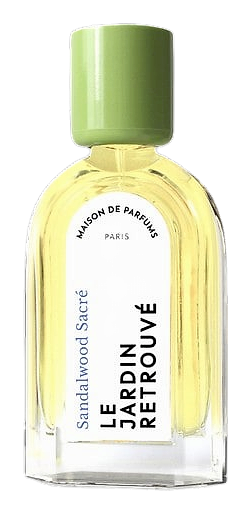
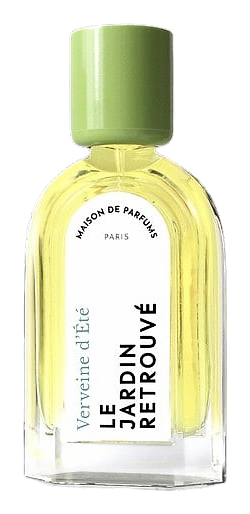
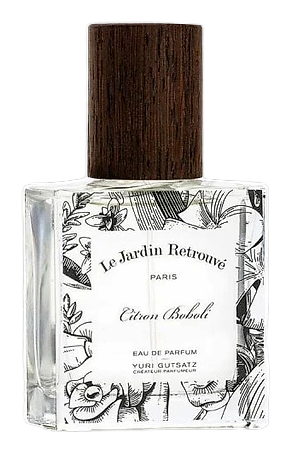
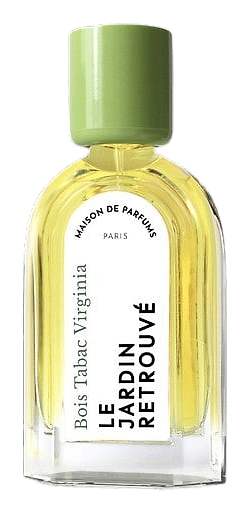
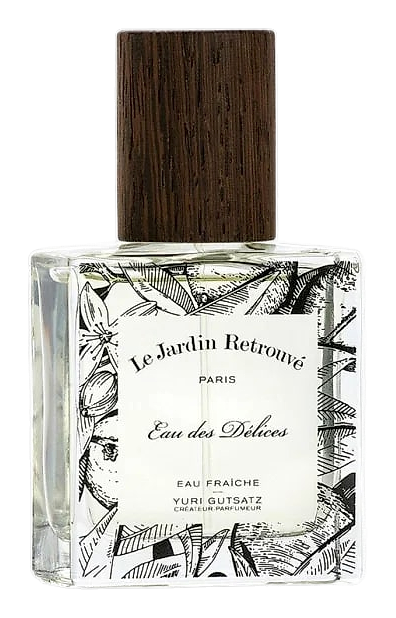
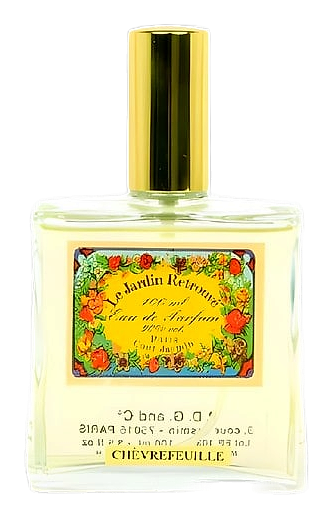
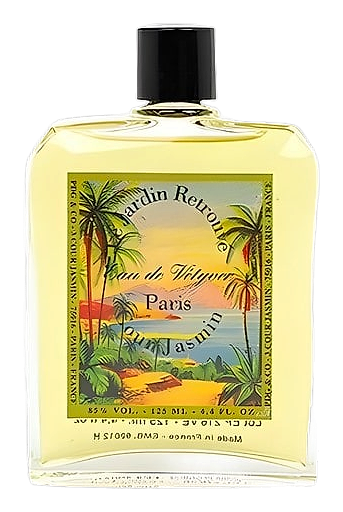
Le Jardin Retrouvé presents its creations with restrained elegance. Bottles feature clean lines, often capped with brushed metal or simple wooden tops that echo the natural origins of the formulas. Labels employ a muted palette of ivory and soft greys, punctuated by the house’s signature handwritten script. The packaging design mirrors the brand’s philosophy: understated, tactile, and inviting close inspection. Visuals across marketing materials favour muted photographs of Parisian ateliers, vintage botanical illustrations, and subtle textures that suggest the raw materials themselves. This cohesive aesthetic reinforces the sense of a rediscovered garden, where each scent feels like a carefully tended bloom.
Philosophy
Le Jardin Retrouvé treats perfume as a dialogue between past and present. The brand believes that true expression arises when a perfumer follows instinct rather than market pressure. This credo drives a focus on authenticity: ingredients are chosen for their character, not for trend compliance. The house favors compositions that evoke personal recollection, allowing wearers to anchor scent to memory. Sustainability threads through its ethos; the founder’s early insistence on responsible sourcing set a precedent that the family continues to honor. By preserving classic techniques and encouraging creative freedom, the brand crafts fragrances that feel both timeless and intimate.
Key Milestones
1975
Yuri Gutsatz establishes Le Jardin Retrouvé in Paris, creating a perfumery free from commercial constraints.
1980
The house releases early classics such as Cuir de Russie and Tubéreuse Trianon, gaining a loyal following among niche collectors.
1990
Le Jardin Retrouvé expands its distribution to select boutiques across Europe, maintaining its artisanal focus.
2016
Family ownership transitions, reinforcing the brand’s commitment to heritage and sustainable sourcing.
2021
Mousse Arashiyama debuts, marking a modern reinterpretation of green, earthy accords.
2023
Osmanthe Liu Yuan launches, showcasing a fresh take on oriental floral composition.
At a Glance
Brand profile snapshot
Origin
France
Founded
1975
Heritage
51
Years active
Collection
1
Fragrances released
Avg Rating
4.2
Community sentiment
Release Rhythm


