The Story
Why it exists.
The beginning
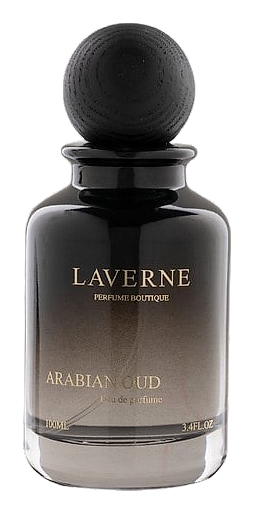
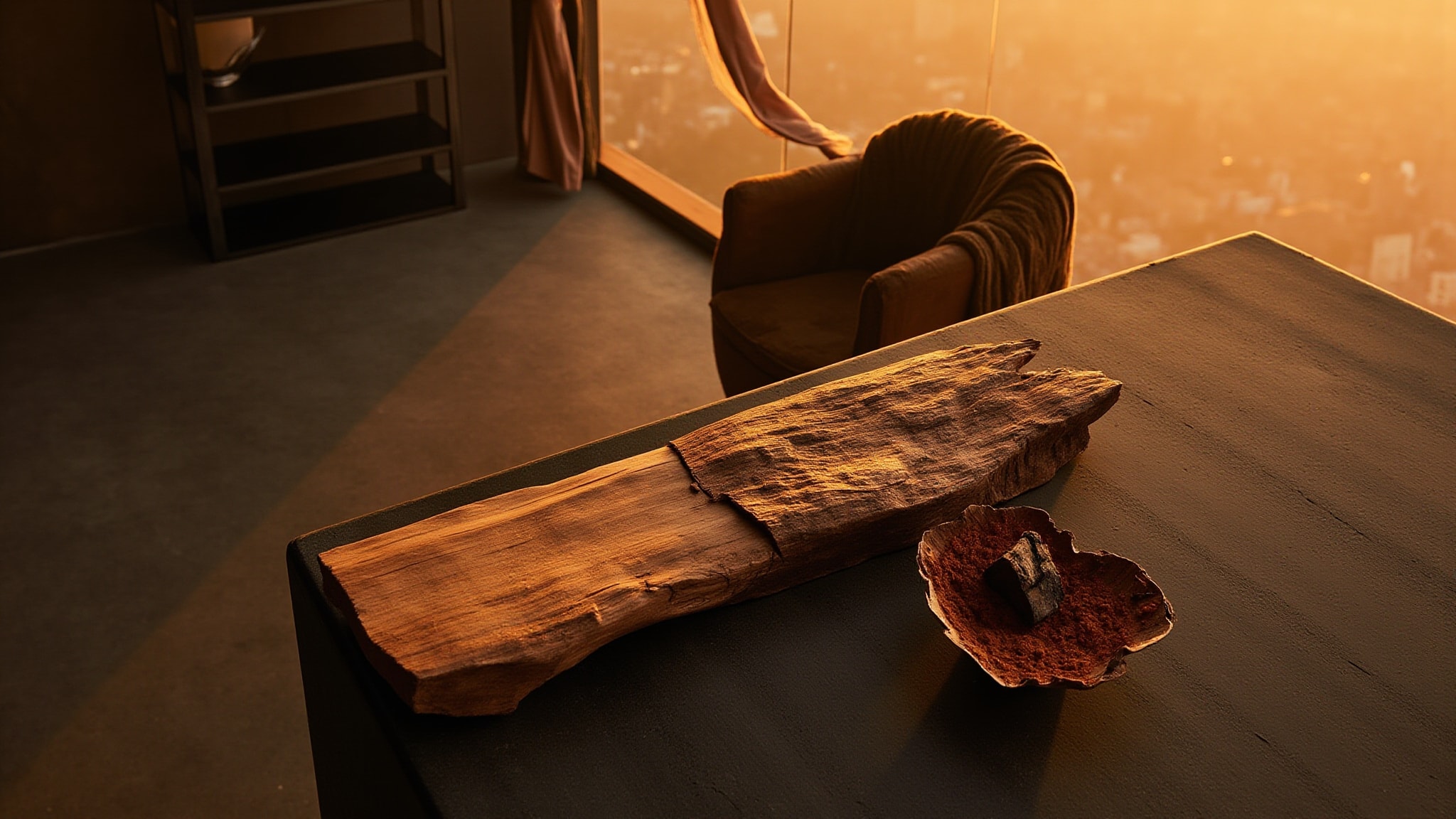
Arabian Oud launched in 2021 as one of the opening statements from Laverne. The brief was simple and ambitious: build a composition that announces itself and stays. Perfumer Christian Provenzano answered with an oriental woody that leans hard into the raw materials the Gulf is known for, building a structure around oud and frankincense with a spice-led opening. Arabian Oud isn't themed around a single place. It's themed around the act of remembering one. Scent as a personal archive, a way to seal a moment in amber. Arabian Oud is the first entry in that archive, and it reads like the cover page. The composition treats oud not as a precious display object but as a working material, something to be cut, stacked, and balanced against resin and spice rather than worshipped on its own.
What's worth noticing about the composition is how Provenzano handles the rose. It sits inside a crowded heart of lavender, jasmine, and marigold, never stepping forward to become a soliflore statement. Here, the rose is a thread, not the headline. The base carries the weight instead, and the base is doing a lot: cypriol, guaiac wood, patchouli, maltol, frankincense, and oud, all stacked without a single one calling attention to itself. The accords confirm it. Woody, warm spicy, earthy, balsamic.
The evolution
The first ten minutes belong to pimento seeds and coriander, sharp and peppery, almost peppermill-grinding on skin. There's a tingle here, the kind that makes you check your wrist twice. A quiet burn that says the composition has somewhere to go. By the thirty-minute mark the heart opens in full. Lavender cuts through first, herbal and clean, then jasmine arrives creamy and almost narcotic, and rose settles underneath everything, never loud, always present. Marigold adds a slightly bitter edge that keeps the florals from going pretty. Two hours in, the base takes over. Cypriol oil brings a smoky, leathery depth that reads almost vetiver-adjacent. Guaiac wood adds its toasted sweetness. Frankincense cools the whole structure down, lifting it out of the dense patchouli and oud underneath. The oud itself stays raw, animalic, never processed into something polite.
Cultural impact
Arabian Oud arrives at a moment when Gulf fragrance houses are producing compositions aimed at wider international audiences, moving beyond traditional attar formats into extrait and Eau de Parfum structures designed for global retail. Christian Provenzano, who has designed aromatic notes for brands from around the world, brings that cross-market perspective to a composition grounded in Gulf material vocabulary. The result is a fragrance that reads as Arabic in its raw material choices, oud, frankincense, cypriol, while adopting the structural conventions of modern niche perfumery.