
The Story
Why it exists.
The beginning
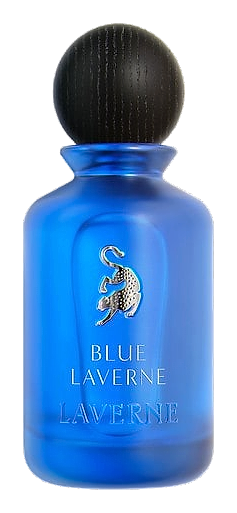
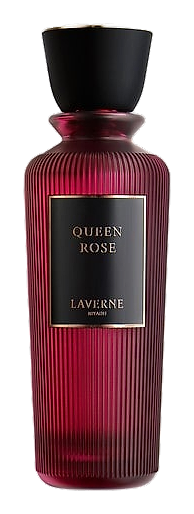
Queen Rose arrived in 2024 from the house of Laverne, created by the tandem of Dominique Ropion and Jean-Louis Sieuzac. The brief was simple on paper: a rose that refuses to be either nostalgic or polite. Ropion, known for structural precision, and Sieuzac, whose work leans into material honesty, built the composition around a tension, between the sharp, jewel-bright top of pomegranate and the creamy, almost linen-soft heart of peony. The name says queen. The fragrance delivers authority without the crown.
What makes Queen Rose stand apart is the decision to anchor a floral heart in fruity top notes rather than the other way around. Most rose fragrances lead with the flower and let the fruit tag along as afterthought. Here, pomegranate and blackberry arrive first and stay longer than expected, they don't just introduce the peony, they change its character. The peony that follows reads warmer, slightly rounder, as if the fruit taught it something about softness. Musk and sandalwood in the base then pull the whole thing toward skin rather than air, keeping the sillage intimate and the wear personal.
The evolution
The opening hits immediate and bright, pomegranate's tartness arrives first, almost sharp, followed half a minute later by blackberry's sweeter ripple. The two red fruits mingle for roughly the first hour without ever becoming jammy. Then the handoff: peony emerges soft and full, displacing the fruit gradually rather than abruptly, like a door opening onto a garden rather than a window. By hour two, the peony is dominant but the fruit hasn't fully left, it sits underneath, a quiet undertone keeping the rose from getting heavy. Hour three is where musk announces itself, warm and clean, pulling the composition closer to skin. Sandalwood and patchouli arrive in the final act, grounding everything into a creamy-woody close that stays close and intimate for another two to three hours on most skin types. The next morning, a faint trace of sandalwood and musk usually remains, not loud, but unmistakable if you're paying attention.
Cultural impact
Queen Rose enters a well-populated corner of the market, floral fruity fragrances with rose at the center are nothing new, but it arrives with a different posture. Rather than leading with the rose, it leads with fruit and lets the floral heart earn its position. The modest sillage and above-average longevity differentiate it from louder competitors in the same accord space. Laverne's positioning as a contemporary voice from the Gulf region gives the fragrance a credibility anchor that buyers in that market recognize, while the Ropion-Sieuzac pairing brings a level of material precision that the broader floral-fruity category doesn't always deliver.
The House
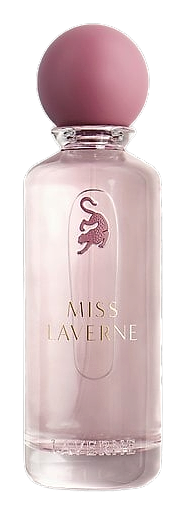
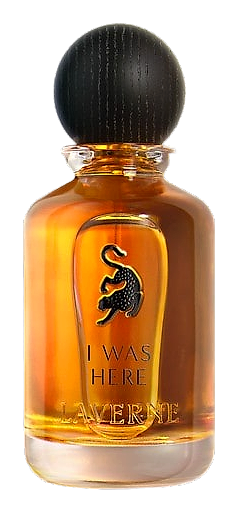
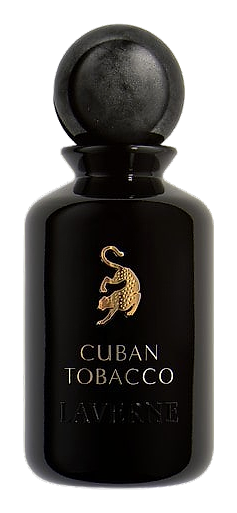
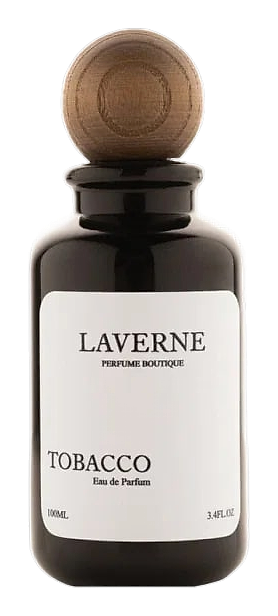
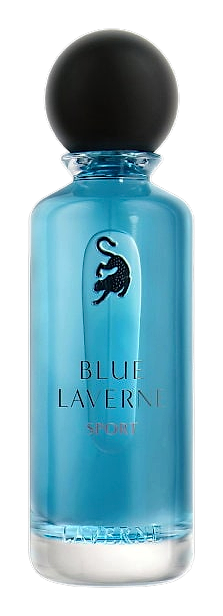
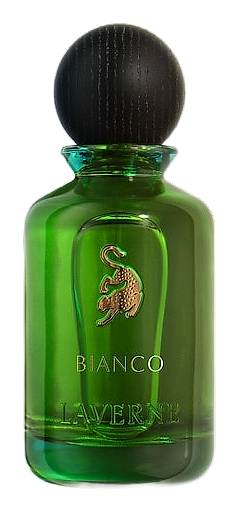
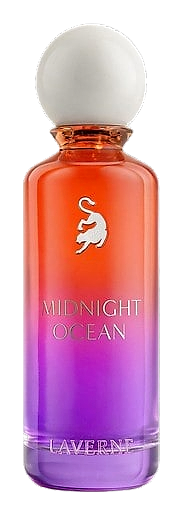
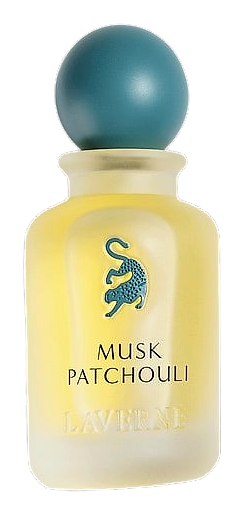
LaverneLaverne is a Saudi‑based fragrance house that emerged in the mid‑2010s with a focus on modern Arabian olfactory narratives. The brand releases a steady stream of niche‑style perfumes, each presented in sleek bottles that balance minimalist geometry with subtle ornamental touches. Since its first launch in 2021, Laverne has built a catalogue that includes scents such as Miss Laverne Extreme, Fearless, Starman and Musk Garden, positioning itself as a contemporary voice from the Gulf region. The label works with a rotating roster of perfumers and frequently partners with public figures, most notably model Georgina Rodriguez, who helped shape the 2024 fragrance Sense. Laverne’s products are distributed through select boutiques across the Middle East and through online platforms that cater to fragrance collectors worldwide.
The Creator
Dominique Ropion & Jean-Louis SieuzacDominique Ropion’s style is characterized by its opulence and sophistication. He's a master of layering and creating rich, complex accords.