The Story
Why it exists.
The beginning
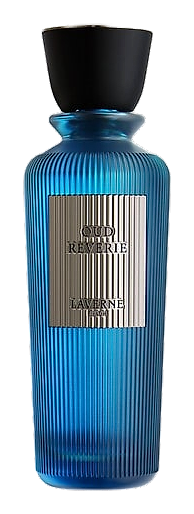
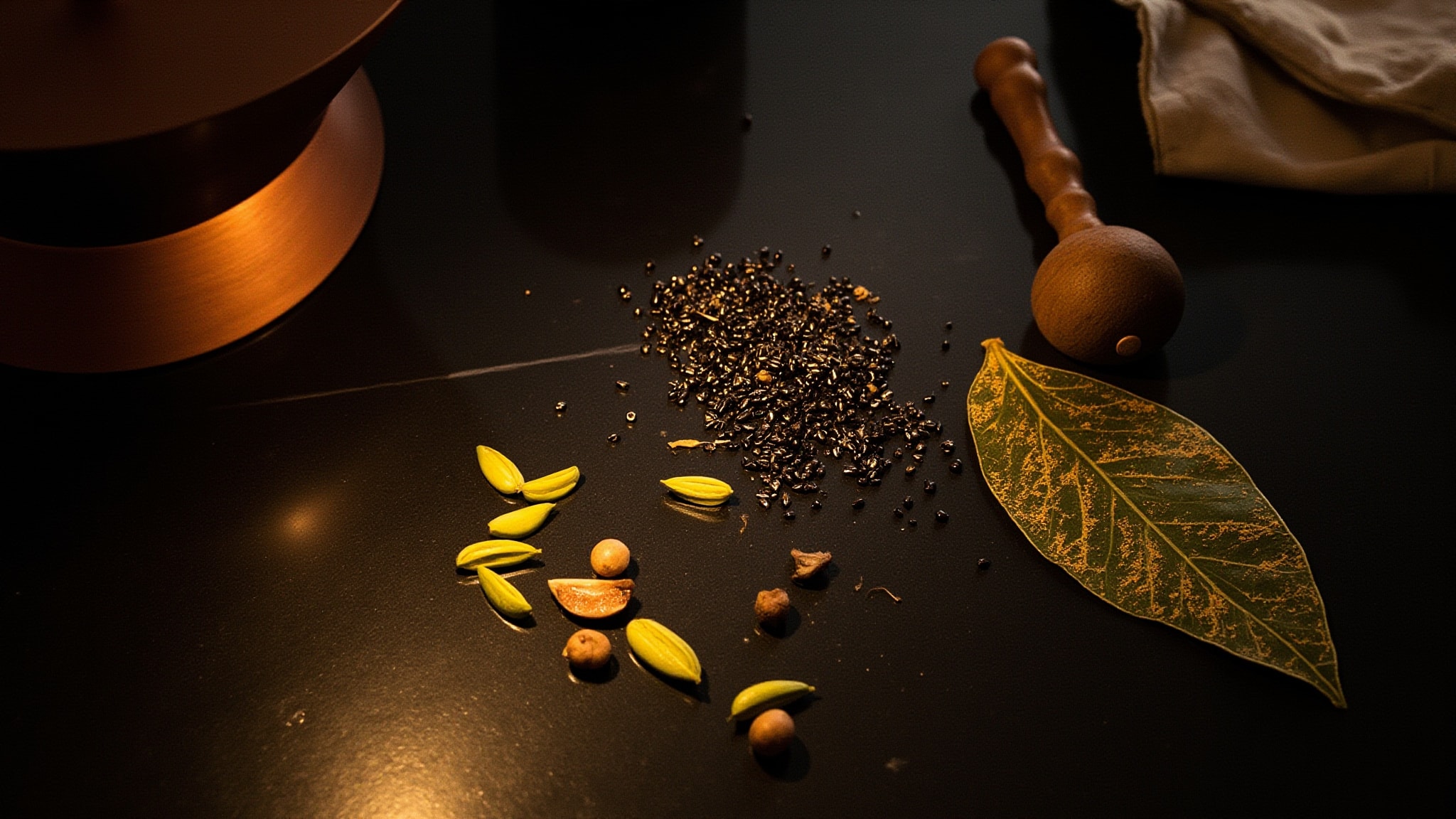
Oud Reverie arrived in 2024 with Jordi Fernández listed as perfumer. The name is a small contradiction. Reverie suggests drifting, oud implies something rooted, smoky, structural. The composition tries to hold both at once, and that tension is the point. Laverne's catalogue of luxury Arabian fragrances has been growing steadily, and Oud Reverie sits firmly inside that brief. Despite the name, there's no literal oud in the pyramid. Cedarwood, vanilla, and tonka provide the warmth that oud usually contributes, then cardamom and fig leaf carry the spiced freshness up top. It's an oud shaped from its surroundings rather than the material itself. A reverie about oud, not the thing itself. The opening reads brighter than the full pyramid would suggest.
Fig leaf in the opening is the more unusual choice. It's green without being herbal, slightly bitter, with a milky quality that bridges into the lactones in the heart. Lactones give that creamy, almost coconut-adjacent softness you often smell in sandalwood-heavy compositions, and here they do the same work, rounding out cedarwood's sharper edges before the vanilla and tonka arrive. The structure skips traditional Arabian perfumery markers: no frankincense, no rose, no saffron. Instead it's woody aromatic, warm spicy, vanilla-leaning. That restraint is what makes it interesting. It reads Gulf in sensibility without copying the Gulf's most familiar ingredients.
The evolution
The first 20 minutes are the greenest part. Cardamom hits first, sharp and almost cold, then fig leaf folds in, giving a vegetal sweetness that sits between unripe fruit and fresh-cut stems. It reads brighter than you'd expect from the accords listed. Around the 30-minute mark, cedarwood and lactones take over. The creaminess arrives quietly, more like a shift in texture than a new note. The cardamom recedes but doesn't vanish. By hour two, vanilla and tonka have settled into the base, warm and slightly powdery, with a soft sweetness that stays close to skin. The fig leaf ghost lingers longer than you'd think, adding a faint greenness to the drydown that keeps it from going purely gourmand. By hour five or six, what remains is tonka, vanilla, and a memory of cedar. It doesn't project much past the second hour, but it stays present in the personal space, the kind of scent someone leaning in would catch. On fabric the next morning, it's tonka and soft wood, faint but intact.
Cultural impact
Oud Reverie creates an unusual dynamic with anyone familiar with Arabian perfumery. It pulls from a tradition built around oud, amber, and heavy resins, but it doesn't lean on the most recognizable markers of that tradition. The result is something that feels adjacent rather than derivative, like a conversation with the genre rather than a tribute to it. The tension between name and composition is where most of the interest lives. Calling a fragrance Oud Reverie and then omitting actual oud is a deliberate choice, and it shifts what the wearer is supposed to be paying attention to. You're not smelling oud.