Lactones
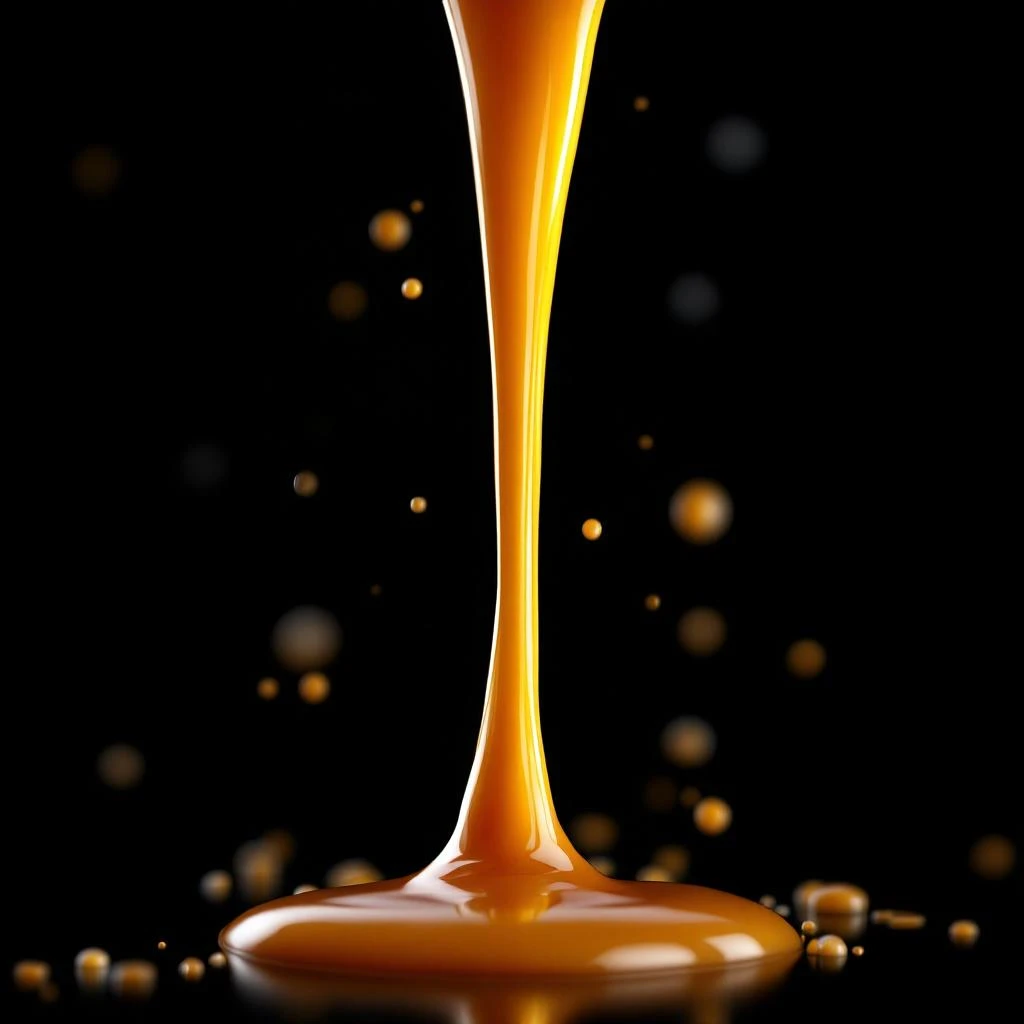
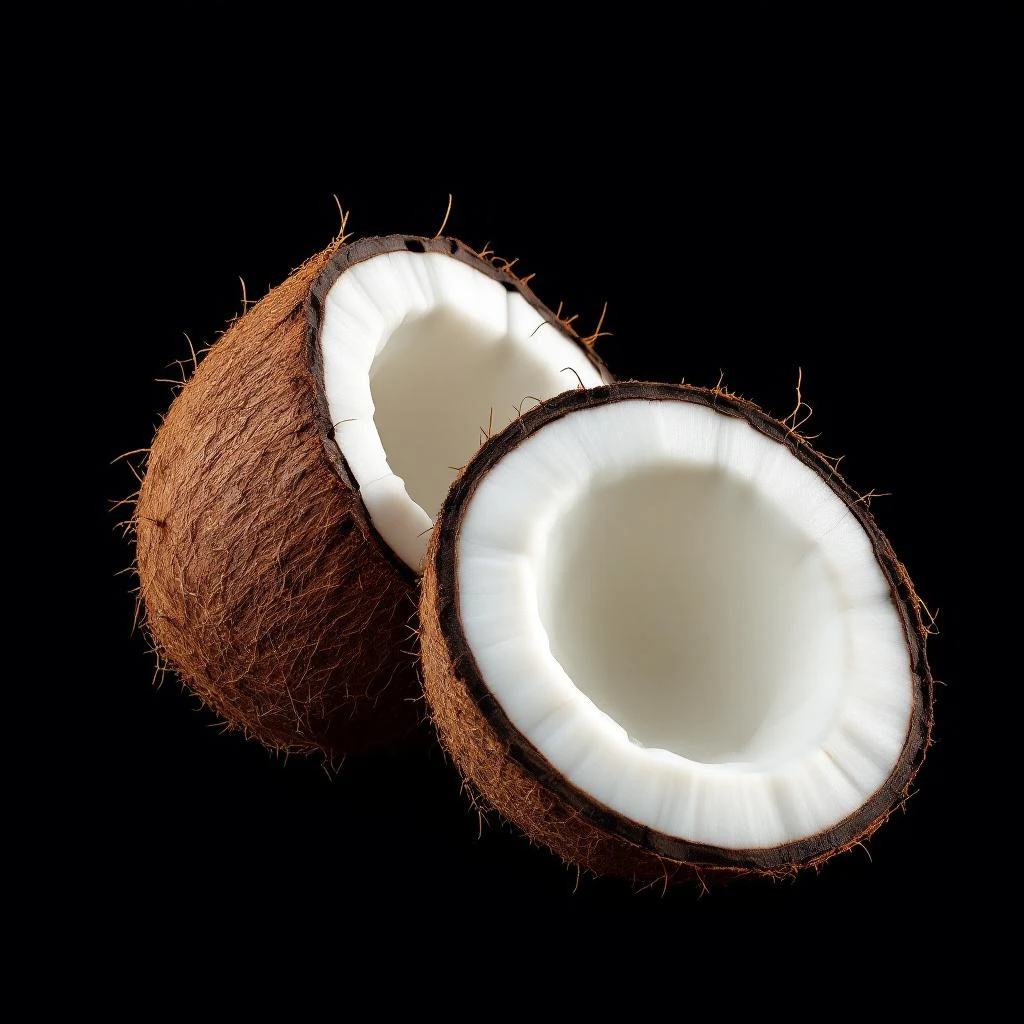
Lactones are cyclic esters that create creamy, peachy, and coconut-like scents in fragrance. Often mistaken for dairy notes, these versatile compounds exist naturally in fruits and are synthesized for consistent, potent perfumery use.
Character
How it smells
The chemistry behind creamy, indulgent fragrance.
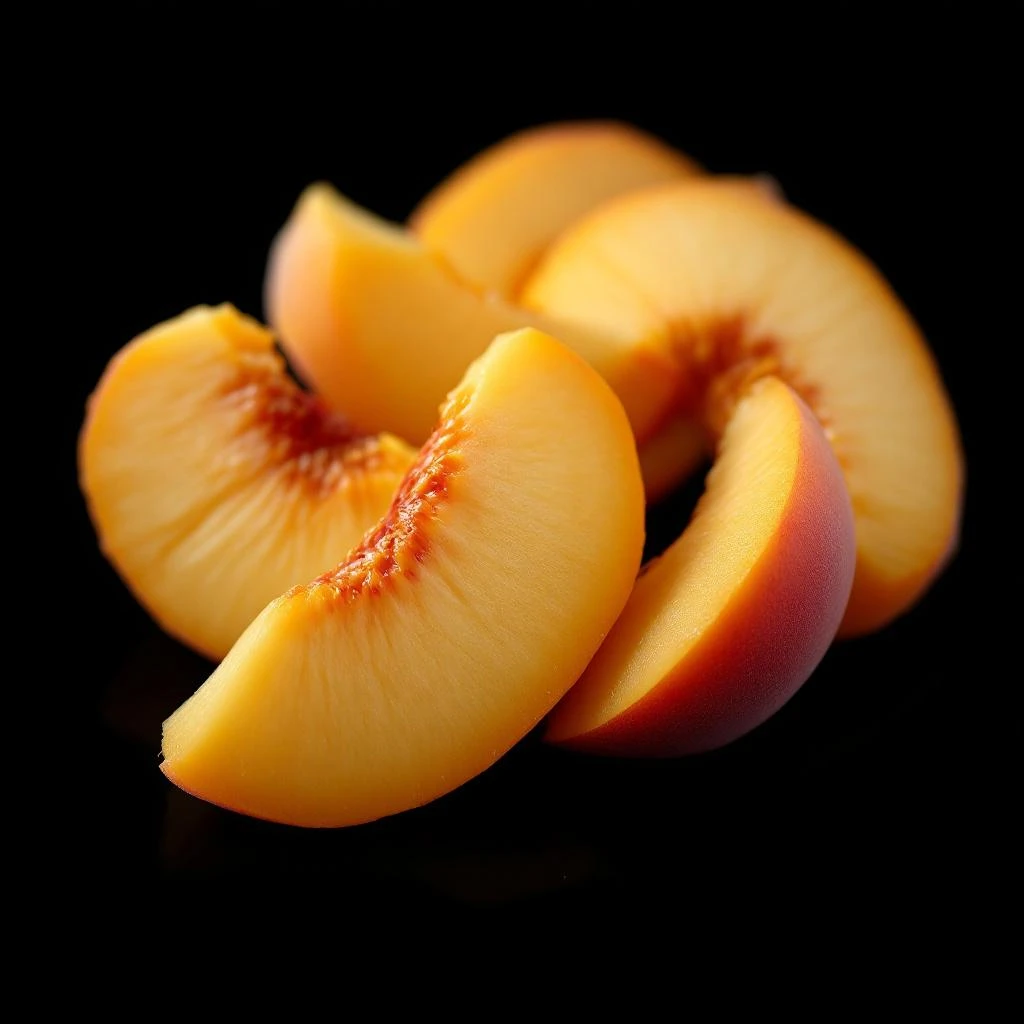
A single drop of γ-undecalactone can scent an entire room with warm peach character.





Origin
France
Lactones entered the perfumer's toolkit in the early 1900s, with γ-undecalactone independently synthesized by French and Russian scientists marking one of the first deliberate uses of this compound class in fragrance. Blaside and Houillon synthesized γ-undecalactone in 1905, while Blaise and Kochler followed with γ-nonalactone in 1909. This development coincided with the birth of synthetic fragrance chemistry, spurred by Haarmann & Reimer's founding in 1874 as the first company dedicated to synthetic aroma chemicals.
In 1927, Kerschbaum discovered cyclopentadecanolide in angelica root oil, which Ruzicka and Stoll later named Exaltolide, adding a musky lactone to the palette. These discoveries enabled perfumers to recreate fruity, creamy notes that natural materials could only approximate.
Wears it best
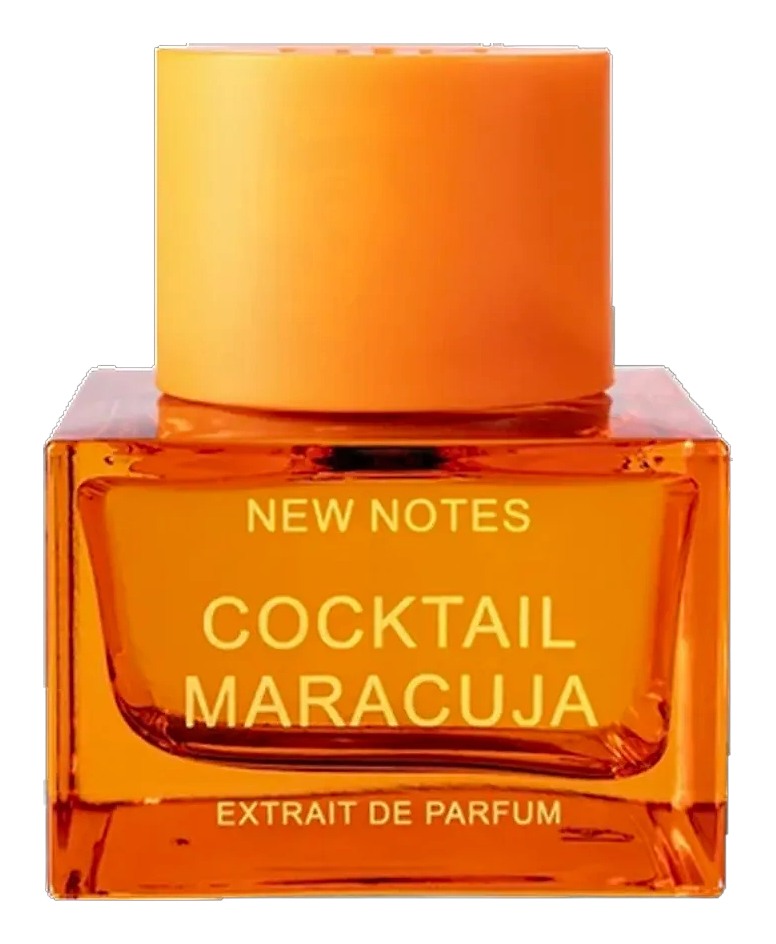
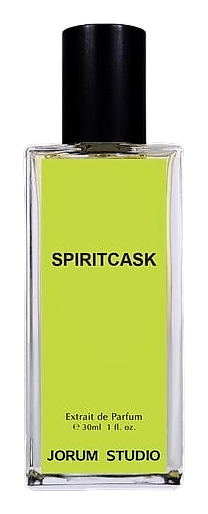
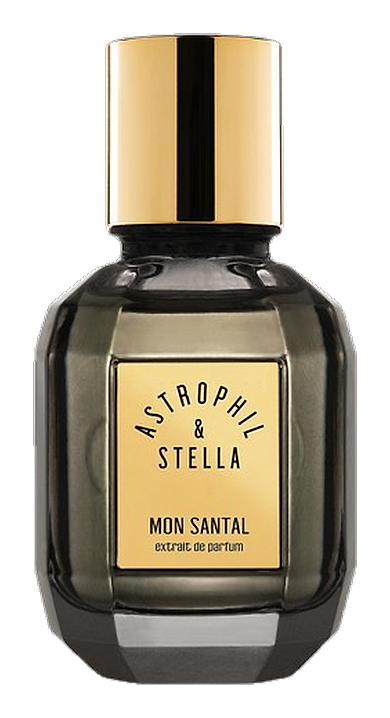
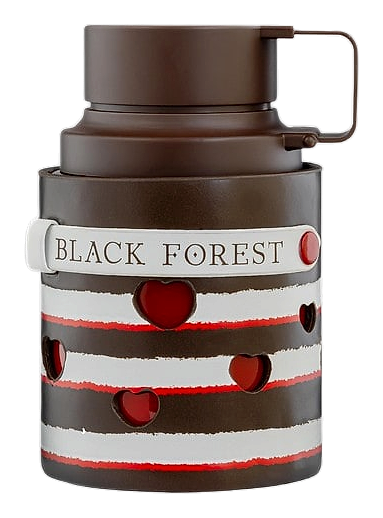
Fragrances featuring Lactones
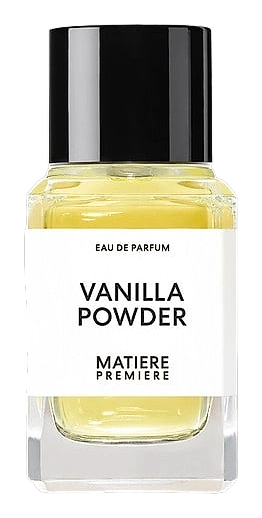


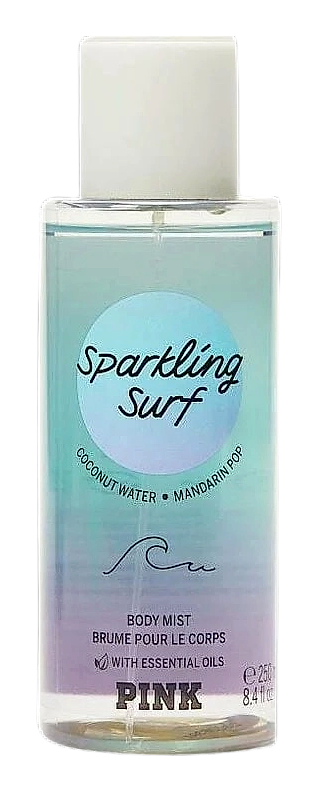
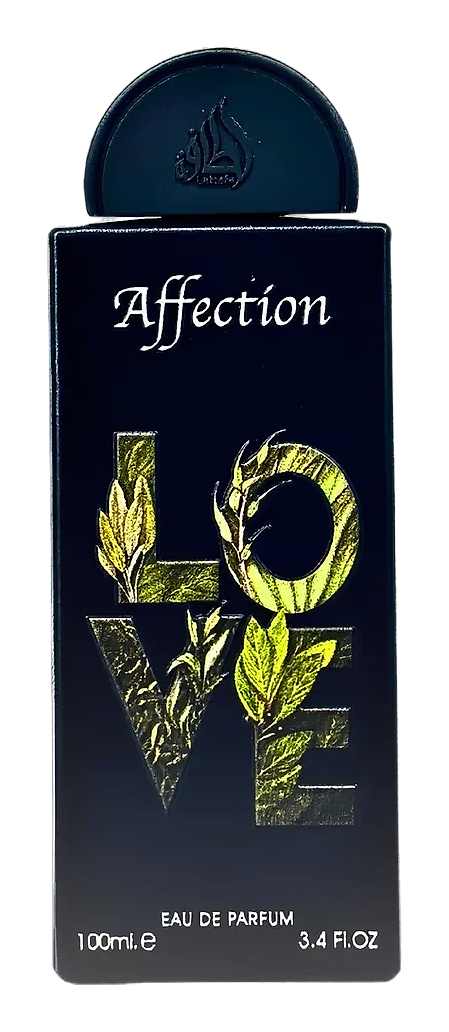

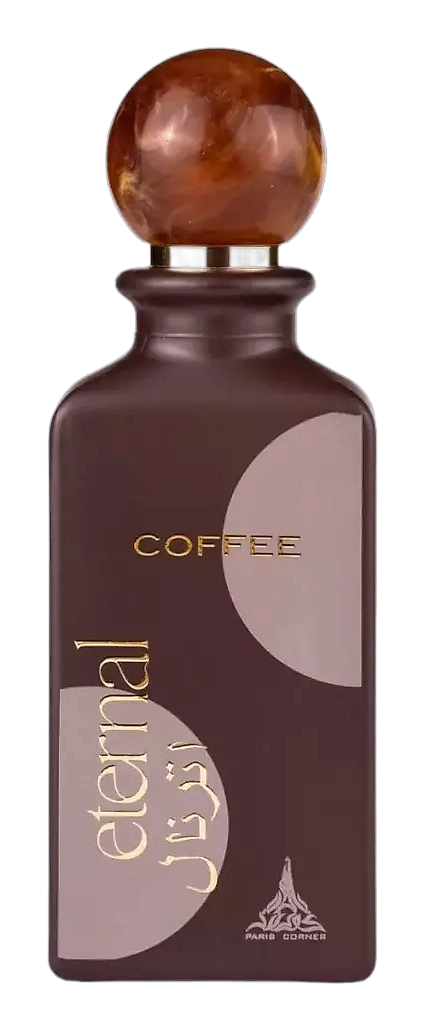

Brands
Brands known for Lactones
Good to know
Questions, answered
The essentials on Lactones in perfumery: how it smells, where it comes from, and how it behaves on skin.
What are lactones in perfumery?
Lactones are cyclic esters, a specific chemical structure, not a synonym for dairy. They create creamy, peachy, and coconut-like notes when used in fragrance compositions.
Do lactones smell like milk or cream?
Lactones produce creamy, indulgent effects reminiscent of milk, coconut, and peach, but they are chemically distinct from actual dairy compounds. No milk goes into making lactone-scented perfume.
Which fruits naturally contain lactones?
Peaches, apricots, and coconuts contain lactones naturally. The γ-undecalactone in peach kernels gives the characteristic stone fruit note found in many fragrances.
Why are lactones so potent in fragrance?
Lactones have extremely low odor thresholds, meaning only minute quantities are needed. Perfumers measure them in fractions of a percent to avoid overwhelming or cloying results.
When were lactones first used in perfume?
The first lactone synthesized specifically for perfumery was γ-undecalactone in 1905, independently developed by French and Russian research groups working separately.
What is the difference between γ-undecalactone and γ-nonalactone?
γ-Undecalactone imparts warm peach and apricot notes, while γ-nonalactone delivers sweet coconut character. Both are among the most commercially important lactones in fragrance.
Are lactones natural or synthetic?
Lactones occur naturally in fruits and some flowers, but commercial fragrance use primarily relies on synthetic production for consistency, purity, and sustainability.
Do lactones help fragrances last longer on skin?
Lactones contribute rich, velvety character that adds depth to fragrance heart notes, though they do not inherently improve longevity more than other potent aroma chemicals.