The Story
Why it exists.
The beginning
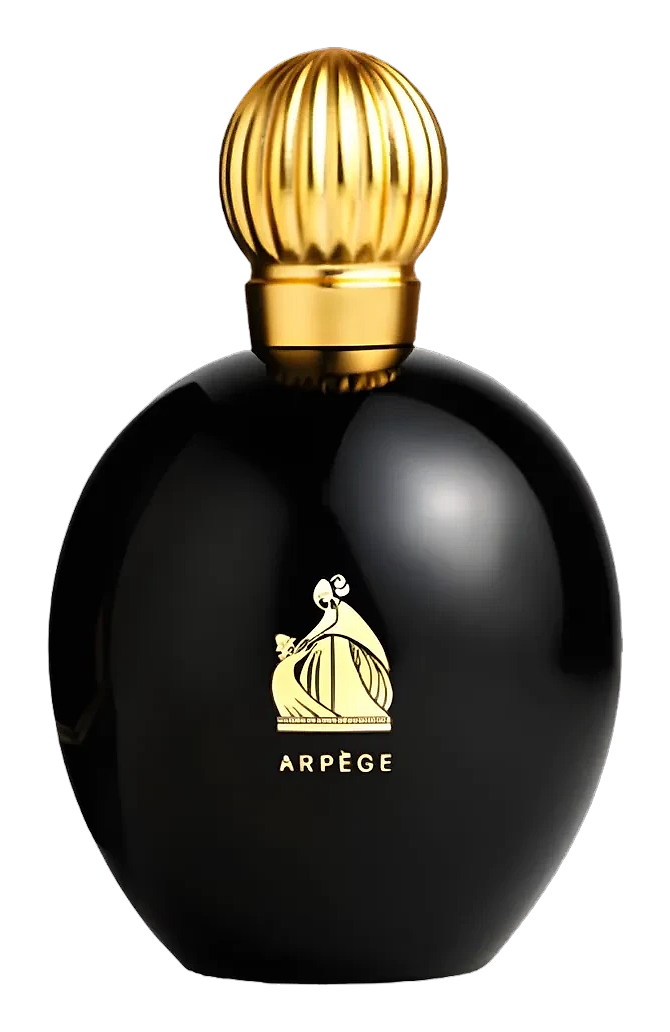
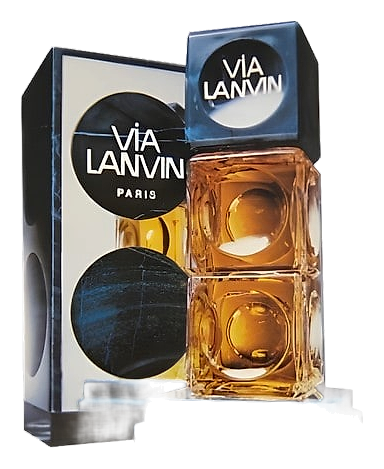
Via Lanvin arrived in 1971 from Jacques Fraysse, perfumer at Lanvin, one of France's oldest fashion houses. By then, Lanvin had been making fragrances for nearly fifty years, Arpège set the standard in 1927, and the house had never been interested in following trends. Via Lanvin continued that philosophy: a composition that didn't need to explain itself, built for a woman who understood exactly what she wanted from a scent.
What makes Via Lanvin unusual is the dominance of yellow florals, narcissus, carnation, ylang-ylang, in the heart. Most fragrances lean on rose or jasmine for floral weight. Here, the narcissus brings a hay-like, slightly sweet earthiness, while carnation adds warmth with a peppery edge. This isn't a delicate garden. It's a garden that got interesting. The aldehydes amplify everything, giving the florals a vintage radiance that feels like late afternoon light through tall windows.
The evolution
The opening is aldehydic, bright, and green, bergamot and violet over a soapy, effervescent lift that announces itself without apologizing. Thirty minutes in, the heart arrives: a full floral chorus. Narcissus leads with its hay-like sweetness, hyacinth adds freshness, carnation brings warmth, ylang-ylang deepens into tropical cream, jasmine rounds the edges. Through it all, an animalic thread keeps everything grounded. This is where Via Lanvin earns its reputation, the florals don't shy away, and neither does the skin beneath them. By hour three, the base takes over. Oakmoss, vetiver, cedarwood, a proper chypre foundation, earthy and dry, with sandalwood and amber warming the close. Musk lingers last, skin-warm and intimate, present long after the florals fade.
Cultural impact
Via Lanvin occupies a specific moment in fragrance history, 1971, when chypres were the standard-bearers of feminine perfumery. It belongs to a tradition of Lanvin scents built on the philosophy that fragrance is not decoration but an essential part of a woman's world. Those who encounter it tend to feel something specific: the sense of a fragrance that was made without compromise, that hasn't been softened over time into something safer.