The Story
Why it exists.
The beginning
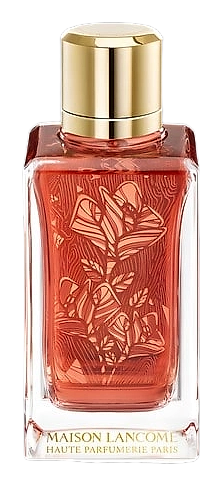
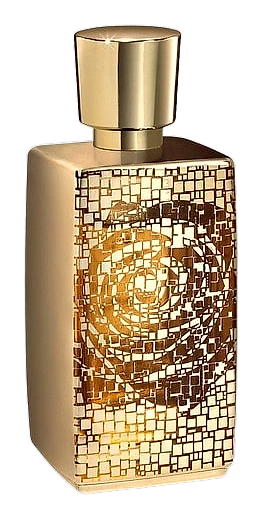
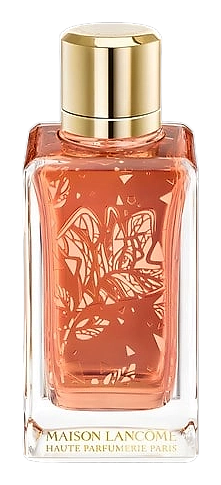
Maison Lancôme invited perfumers to interpret its heritage through a new lens. Parfait de Rôses is part of Les Parfums Grands Crus, a collection where each fragrance honors the house's founding spirit. Nathalie Lorson composed this one around a single idea: what if rose could drink? The answer is a rose jam suspended in liqueur, sweet and warm and just slightly intoxicating. It's Lancôme's rose, elevated, the house's emblematic flower treated like a grand cru rather than a garden variety.
Rose liqueur is the pivot point. Most rose fragrances lean into freshness or petals. This one goes the other direction, concentrated, almost edible, with an alcohol note that adds depth without sharpness. The aldehydes at the opening recall vintage perfumery, that cold champagne sparkle that signals something crafted. Vanilla absolute and benzoin in the base push the whole composition toward warmth, making Parfait de Rôses feel like a dessert you wear. The tonka bean and orris add powdery softness to the drydown, so the sweetness never overwhelms, it just lingers, close to the skin, for hours.
The evolution
The aldehydes hit first, a quick flash of cold, sparkly brightness that clears the path. Pink pepper joins for a beat, subtle and clean. Then the rose liqueur takes over. This is the heart of the fragrance: dense, sweet, warm with what smells like rose steeped in alcohol. It has weight. The heart holds for two to three hours, consistent and unapologetic. Around hour three, vanilla and benzoin arrive. The alcohol note softens. The composition warms, becomes ambery, slightly balsamic. What stays closest to the skin by hour six or seven is vanilla, benzoin, and a ghost of rose. On fabric, the sillage drops earlier but the scent clings to wool and silk through an evening. Sprayed on skin in the morning, a faint trace remains the next day.
Cultural impact
Parfait de Rôses occupies a specific space in the rose fragrance landscape: not the safe rose water of mass appeal, not the austere oud of niche exclusivity, but something in between. Lancôme positioned it within the Maison Lancôme collection, signaling it as a serious fragrance rather than a fashion accessory. Wearers describe it as the scent of someone who knows what they want, rich, warm, consistent, and not interested in apologizing for any of it. The aldehyde opening places it in dialogue with vintage perfumery, while the vanilla-benzoin drydown keeps it contemporary.
The House
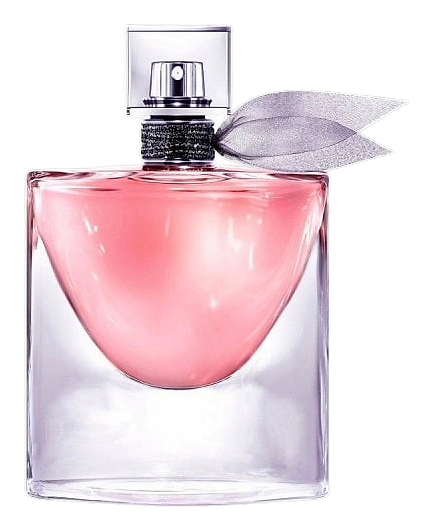
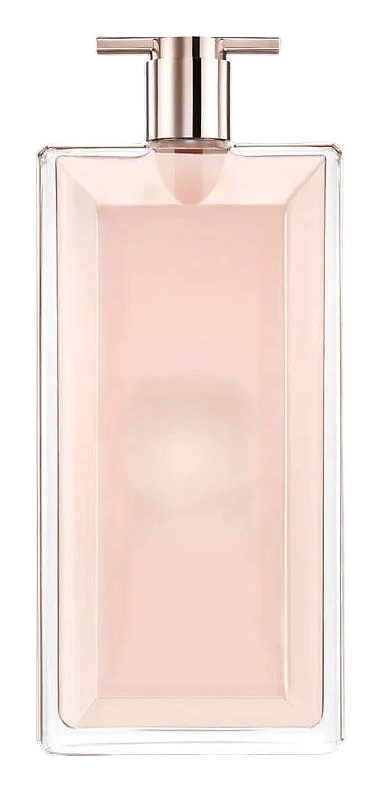
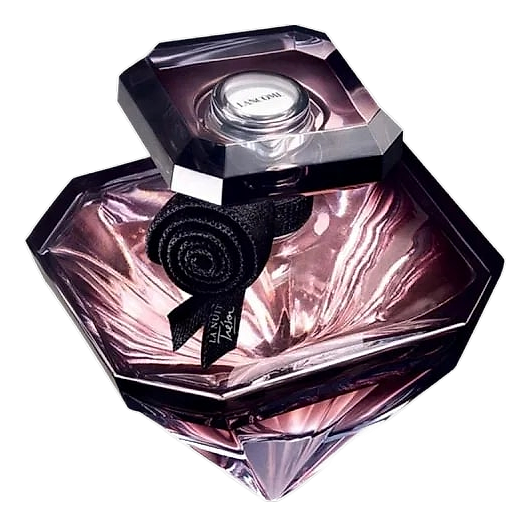
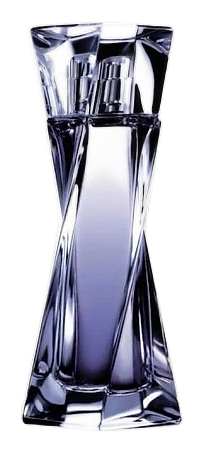
LancômeLancôme stands as one of France's most enduring luxury beauty houses, a name synonymous with elegant femininity and the art of French perfumery. Founded in 1935 by Armand Petitjean, the house emerged during economic uncertainty with a clear mission: to bring prestige back to beauty after witnessing the mass-market drift of his former employer. Today, operating under L'Oréal's luxury division, Lancôme balances heritage with modernity, crafting fragrances like La Vie Est Belle and Trésor that have become global icons while maintaining the golden rose emblem that has marked its bottles for nearly ninety years.
The Creator
Nathalie LorsonWoody notes are definitely a signature for Lorson, often combined with a touch of spice or sweetness to create depth and complexity. She has a knack for balancing contrasting elements, like dark and light, masculine and feminine, resulting in fragrances that are both intriguin…