The Story
Why it exists.
The beginning
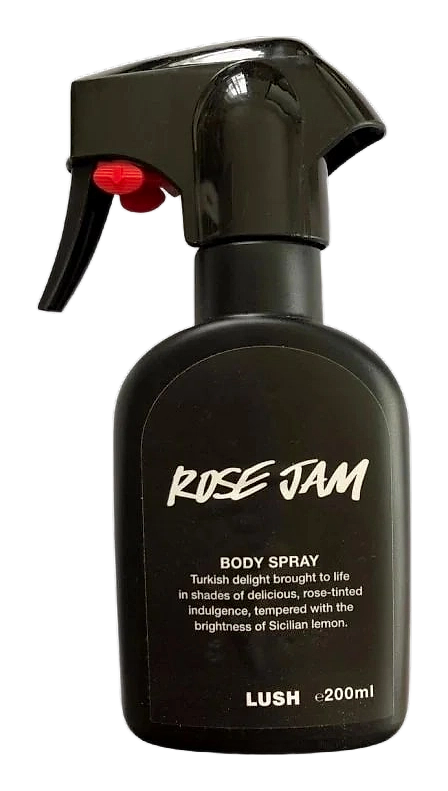
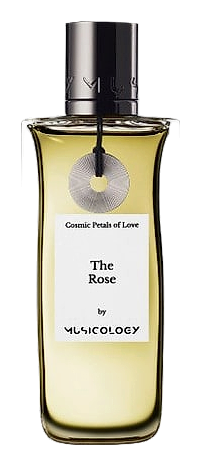
The Rose opens with raspberry and peony, a bright and jammy burst that arrives without hesitation. The sweetness is immediate, inviting, and unapologetic. As the fragrance develops, damask rose and violet take over the heart, but they don't simply replace what came before. Instead, they layer and blend with the opening notes, creating a seamless transition. The rose here reads as more jam than bloom, more confection than garden, which gives it a modern edge. Violet slides in underneath, powdery and soft, keeping the sweetness from tipping into syrup while adding a gentle depth. The vanilla and white woods anchor the dry down, warming the composition from within and creating a skin-close finish that lingers through the day. The fragrance doesn't shout.
What makes The Rose structurally interesting is how the top and heart notes blur together rather than hand off cleanly. Raspberry and peony arrive simultaneously, creating a confectionery burst that isn't quite fruit and isn't quite flower, something in between. The damask rose then doesn't so much replace that opening as absorb it, taking on a jammy, almost honeyed quality while violet adds a powdery softness that keeps the sweetness from becoming syrupy. It's a rose that tastes like it smells, which is rarer than it should be. The vanilla and white woods base isn't an afterthought, it's the reason the fragrance lasts through a full day without evolving into something unrecognizable from its opening.
The evolution
The opening doesn't announce itself so much as arrive. Raspberry and peony burst in together, jammy and bright, with a sweetness that doesn't wait for permission. There's no transitional phase where the fruit fades and the florals take over. They arrive as a pair, already blended. The damask rose takes center stage in the heart of the wear, and it reads differently here than in most rose fragrances: more jam than bloom, more confection than garden. Violet slides in underneath, powdery and soft, keeping the sweetness from tipping into syrup. The vanilla and white woods don't announce themselves dramatically. They arrive quietly, warming the composition from within, and the fragrance settles into something close and skin-warm that lasts through the working day without ever becoming loud.
Cultural impact
The rose has been a cornerstone of perfumery since ancient Persia and Egypt, where early fragrance makers first distilled its essence. These ancient traditions established rose as a symbol of luxury and refinement, a note that could transform any composition into something memorable. In modern perfumery, rose represents both heritage and evolution, bridging classical and contemporary scent profiles. It remains a versatile ingredient, capable of appearing in everything from traditional floral arrangements to unexpected modern compositions.