Rose liqueur
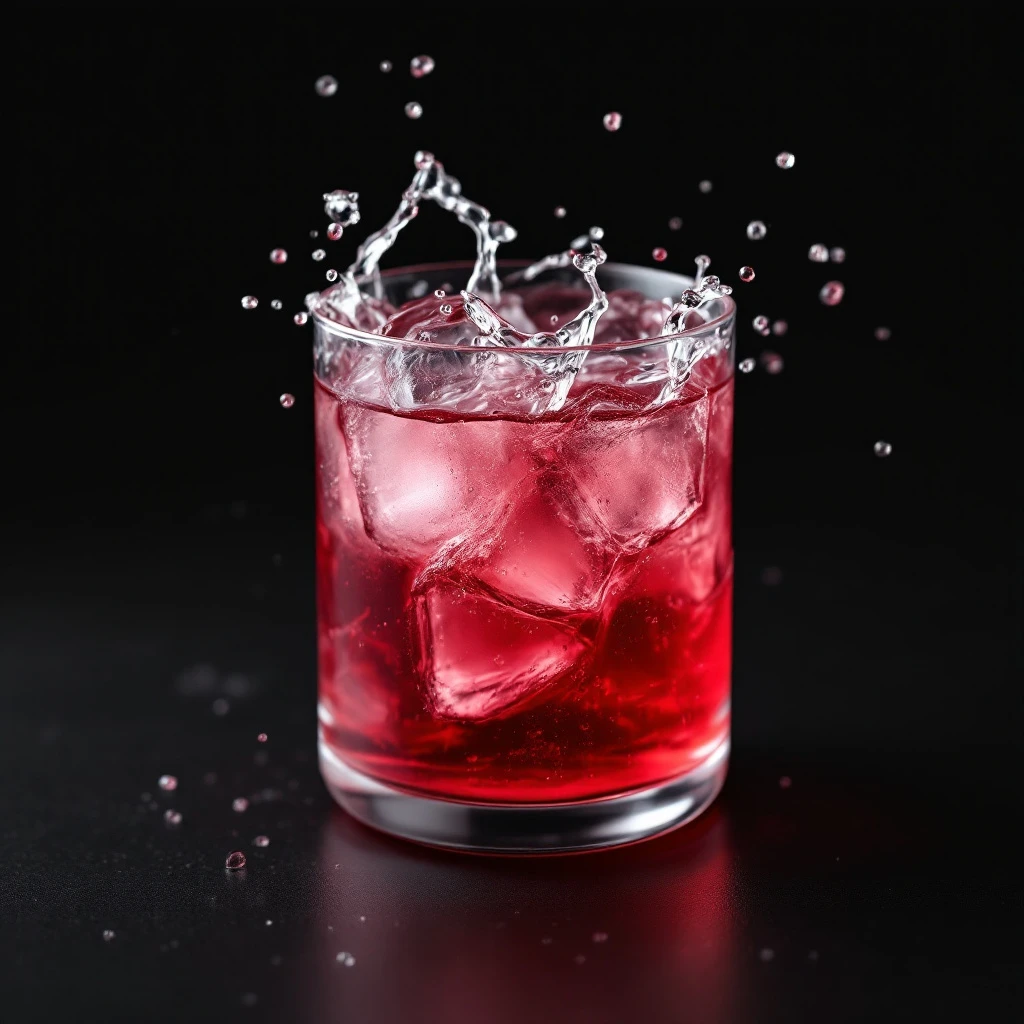
Rose liqueur is a concentrated aromatic extract capturing the full-bodied, honeyed essence of rose petals suspended in alcohol. It delivers the deep, wine-like sweetness of Damask rose with a rich, slightly syrupy warmth rarely found in standard absolutes.
Character
How it smells
The intoxicating depth of rose, preserved in liquid form.
One kilogram of rose petals yields only 40 milliliters of rose liqueur, making it one of the most labor-intensive materials in perfumery.



Origin
Bulgaria
Rose has been central to fragrance culture for over three millennia, revered by Persian physicians, Egyptian queens, and Roman nobility alike. The concept of preserving rose in alcohol emerged during the Arabic Golden Age, when alchemists in Damascus and Cairo developed early maceration techniques to capture the flower beyond mere distillation. By the 16th century, Persian rose cultivators had refined the practice into a cottage industry along the valleys of Isfahan, producing attars and rose waters that traveled the Silk Road to European courts.
The specific "liqueur" format gained prominence in Grasse during the 18th century, where perfumers adapted the wine-making traditions of Provence to create aromatic extracts that captured complexity beyond what steam distillation allowed. Today, rose liqueur remains a specialty product of a small number of houses, preserving a centuries-old practice that connects modern perfumery to its ancient roots.
Wears it best
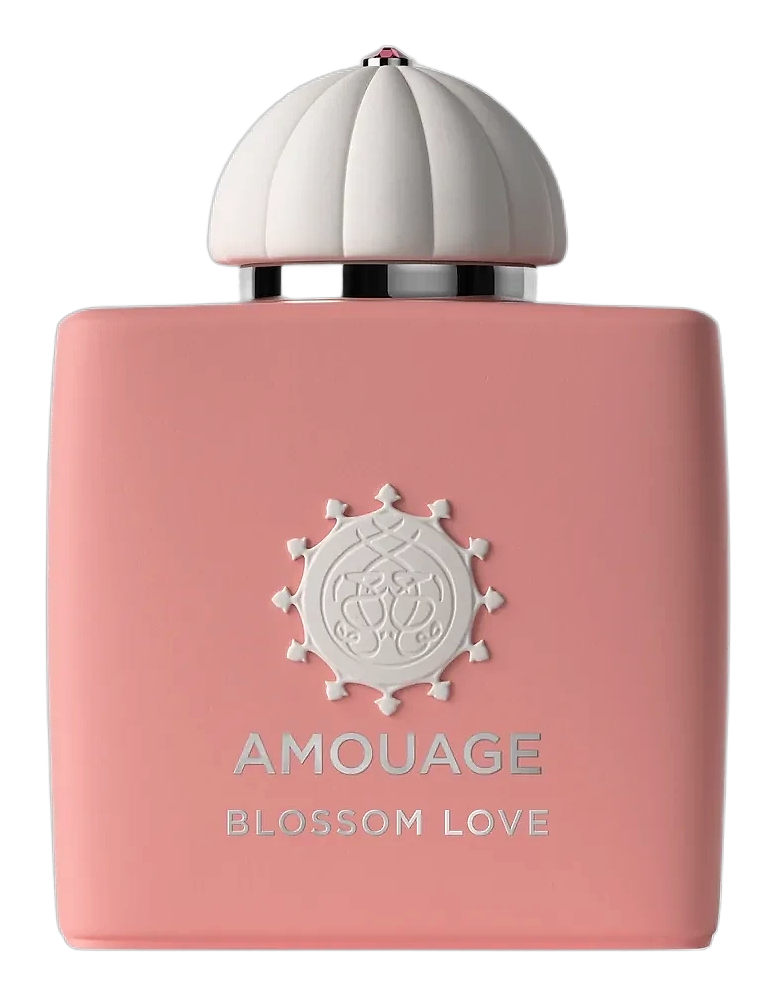
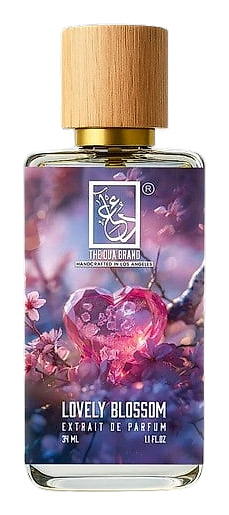
Fragrances featuring Rose liqueur
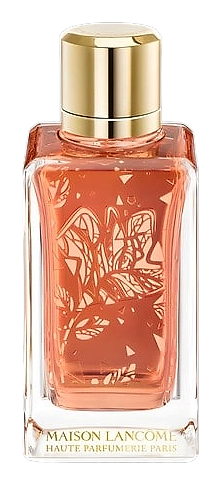
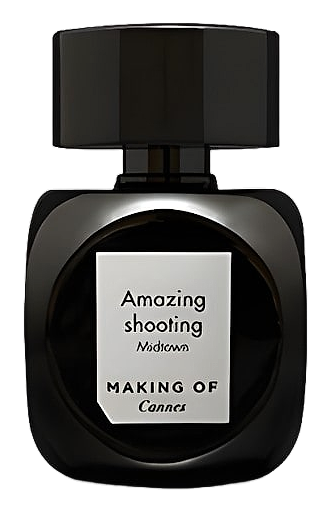
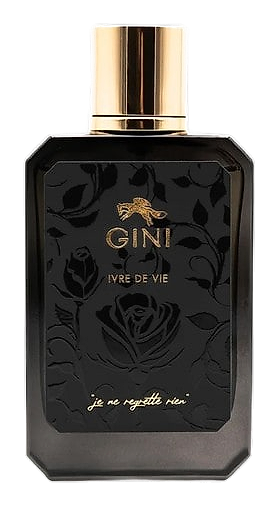
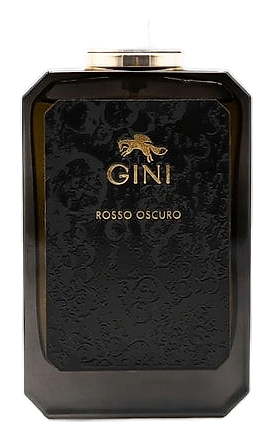

Brands
Brands known for Rose liqueur
Good to know
Questions, answered
The essentials on Rose liqueur in perfumery: how it smells, where it comes from, and how it behaves on skin.
What does rose liqueur smell like?
Rose liqueur offers a deep, syrupy rose character with prominent honey and dried fruit notes, more vinous and less green than fresh rose. It sits between rose absolute and an alcoholic rose tincture in profile.
How is rose liqueur different from rose absolute?
Rose absolute is produced via solvent extraction, while rose liqueur uses alcohol maceration. The maceration process captures heavier aromatic molecules that solvent extraction may not fully recover, resulting in a richer, warmer character.
Which rose species are used to produce rose liqueur?
Rosa damascena, the Damask rose, accounts for the majority of production due to its high oil content. Rosa centifolia, or cabbage rose, is also used in Grasse for its deeper, more complex scent profile.
Why is rose liqueur considered rare in perfumery?
The maceration process requires significantly more raw material than standard extraction methods. Roughly one tonne of rose petals produces only two kilograms of liqueur, compared to higher yields from steam distillation.
Can synthetic alternatives replace rose liqueur?
No synthetic fully replicates rose liqueur's complexity. The maceration process captures dozens of trace compounds that remain difficult to reproduce synthetically, particularly the heavier molecular fractions.
When is rose liqueur harvested?
Rose harvest for liqueur production occurs once annually in May and June, during a brief two-to-four-week window. Petals must be processed within 24 hours of harvest to prevent oxidation and preserve volatile compounds.
What fragrance families pair well with rose liqueur?
Rose liqueur anchors oriental and chypre compositions, pairing effectively with oud, sandalwood, amber, and leather. It also enriches florals by adding depth that rose alone cannot achieve.
Does rose liqueur contain any allergens?
Rose liqueur may contain trace levels of linalool and geraniol, which EU regulations require labeling for in cosmetic products. Allergen content varies by producer depending on the rose source and maceration conditions.