The Story
Why it exists.
The beginning
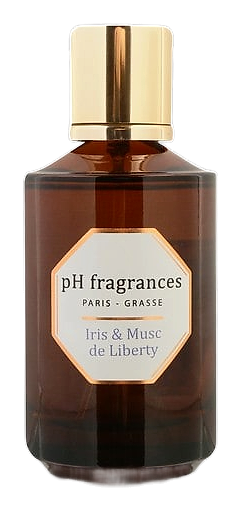
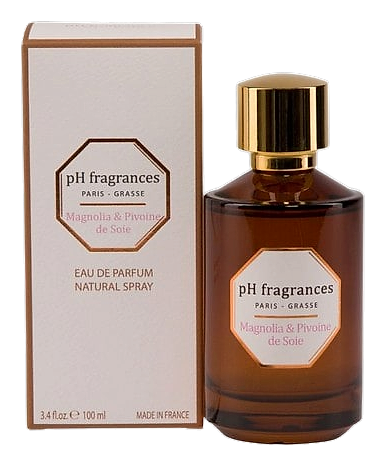
Quentin Bisch works with a house that treats fabrics as olfactory identities, translating the tactile character of materials into scent. For Magnolia & Peony of Silk, the assignment was silk, the lightest, most fluid textile in the collection. How does a fabric that catches light and slides against skin become a fragrance? Bisch built it around a tension: the cool sheen of magnolia against the warmth of skin beneath. Peony adds fullness without weight. Rose, multiple sources, layered, gives the whole thing presence rather than delicacy. The Orpur ingredients from Givaudan anchor the composition in quality rather than abstraction. This is what silk smells like as an emotional impression, not a material fact.
The composition is structured around transparency rather than density. The citrus top, bergamot and mandarin, sparkles and retreats quickly, clearing space for the florals without lingering. What arrives next is the real architecture: Bulgarian rose and Turkish rose together, which sounds redundant but creates a layered effect, each slightly different in sweetness and texture, neither quite the same. Magnolia and peony fill the spaces between. The unconventional move is the davana in the opening. Its slightly anise, slightly fruit quality lifts the sweetness just enough to keep the florals from becoming syrupy.
The evolution
The opening announces itself. Citrus sparkle from bergamot and mandarin, bright, immediate, the kind of brightness that fades in the best way. Rose and davana arrive quickly, with davana adding a faint anise-fruit lift that prevents the citrus from reading as generic cleaner. Twenty minutes in, the heart opens fully. Magnolia's cool, almost watery creaminess meets peony's full-bellied softness. The orange blossom adds a bitter-floral edge that keeps the whole thing from sliding into sweetness. This is where it lives longest, two to five hours, a dense floral field that rewards proximity. The drydown begins when the florals start to thin, not disappear. Honey arrives first, then vanilla, warm and close. The vetiver appears here too, dry and earthy against the sweetness, a grounding that keeps this from becoming pure gourmand. On skin the next morning: the vanilla and honey hold. Close, intimate, the kind of presence that makes someone lean in rather than step back.
Cultural impact
Magnolia & Peony of Silk arrived in 2018, a period when niche perfumery was expanding rapidly and consumers increasingly sought distinctive compositions over mass-market predictability. The house's concept of pairing fabrics with complementary scent profiles represented a fresh approach to fragrance storytelling, inviting wearers to consider olfactory and tactile connections. The use of Orpur-certified rose and davana positioned the release within a transparency movement in niche perfumery, where sourcing and quality became selling points alongside the juice itself. As one of eight debut fragrances, it helped establish pH Fragrances' identity within a crowded market.