Vanilla Orpur
Warm, enveloping, and unmistakably rich. Vanilla Orpur® is Givaudan's luxury-grade vanilla tincture, the cornerstone of countless iconic fragrances. Discover the pure gold of natural perfumery ingredients.
Character
How it smells
The warm, enveloping heart of luxury fragrance.
Vanilla planifolia must be hand-pollinated outside Mexico, where its native orchid pollinators do not exist.




Origin
Mexico
Long before vanilla reached European shores, the Totonac and Aztec peoples of Mesoamerica cultivated this orchid for its aromatic pods. They used vanilla to flavor cacao beverages, and during the Height of the Aztec Empire, it served as a form of currency, more valuable than cacao itself. Spanish explorers brought vanilla to Europe in the sixteenth century, where it remained a scarce luxury for generations.
Vanilla entered modern perfumery in 1921, when Guerlain included it in Jicky, marking one of the first times the ingredient appeared in a classic fine fragrance. Today, Vanilla planifolia grows far beyond its native range in tropical regions worldwide, yet Madagascar remains the leading source of premium-grade vanilla.
Wears it best
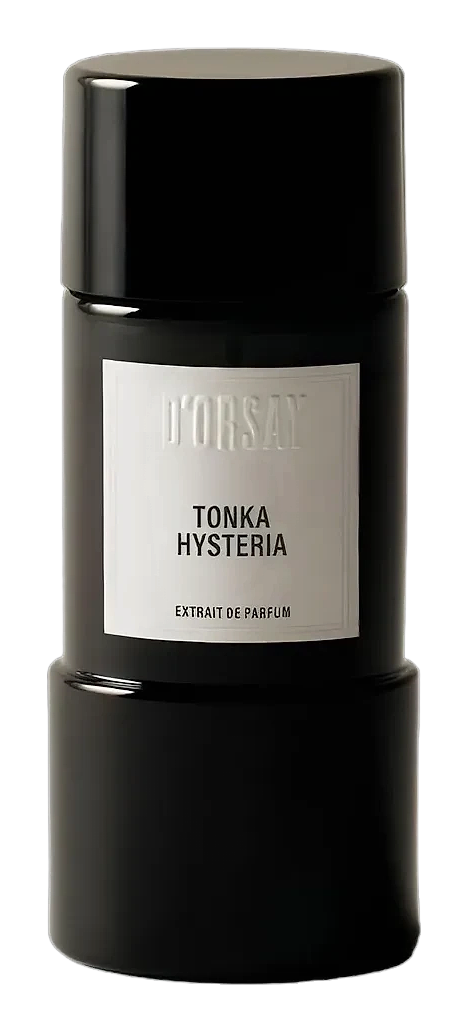
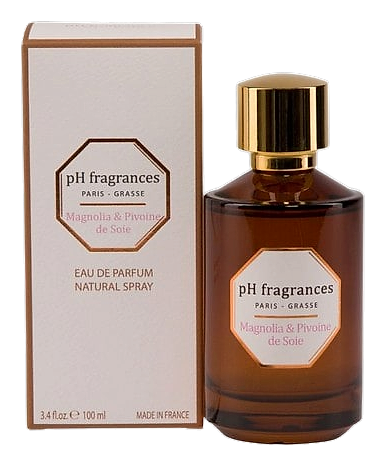
Fragrances featuring Vanilla Orpur
Brands
Brands known for Vanilla Orpur
Good to know
Questions, answered
The essentials on Vanilla Orpur in perfumery: how it smells, where it comes from, and how it behaves on skin.
What does Vanilla Orpur® mean?
Orpur® is Givaudan's exclusive designation for its finest natural ingredients. Vanilla Orpur® specifically refers to their highest-grade vanilla tincture, a premium material formulated for use in luxury fine fragrances. Perfumery houses value it for the depth, warmth, and consistent quality it brings to fragrance compositions.
What does vanilla smell like in a fragrance?
Natural vanilla registers as warm, sweet, and creamy, with soft powdery undertones. It carries deeper notes of caramel, tonka, and faint tobacco that emerge as the fragrance dries down. The exact character shifts with concentration and the other ingredients it accompanies.
Why is vanilla among the most expensive spices?
Vanilla ranks as the world's second most expensive spice after saffron. Each flower must be hand-pollinated, and the pods require nine months of careful curing before they develop their full aroma. This manual labor, combined with unpredictable weather, keeps supply tight relative to global demand.
Is there a synthetic alternative to natural vanilla?
Synthetic vanillin exists and is widely used in mass-market products, but it lacks the aromatic complexity of a genuine vanilla extract. Natural vanilla tincture contributes hundreds of volatile compounds that a synthetic molecule cannot fully replicate. Orpur® signals a true natural material, not a lab-created approximation.
How is the sustainability of vanilla ensured?
Givaudan's Orchisave sourcing program supports vanilla-producing communities through transparent supply chains and fair compensation for growers. The program also invests in agricultural resilience to help farmers adapt to climate variability and protect their crops.
What is the difference between vanilla absolute and vanilla tincture?
Vanilla absolute, produced through solvent extraction, yields a thick, dark, highly concentrated material. Vanilla tincture, the Orpur® format, uses alcohol maceration and tends to offer a more volatile, aromatic profile better suited for fine fragrance heart and base compositions. Both are natural, but their textures and applications differ.
How long does vanilla last on the skin?
Vanilla is an excellent fixative that extends the longevity of other materials in a fragrance. On skin, a vanilla-founded fragrance often remains detectable for eight hours or more, growing softer and more honeyed over time. It also gains a darker, richer character as it interacts with skin chemistry.
What cultures first used vanilla for fragrance?
The Aztecs and Totonac peoples of Mesoamerica first used vanilla pods to flavor xocolatl, a sacred cacao beverage, valuing its aromatic and preservative qualities. This ancient practice predates its introduction to European perfumery by several centuries. Madagascar now produces roughly eighty percent of the world's vanilla supply.