The Story
Why it exists.
The beginning
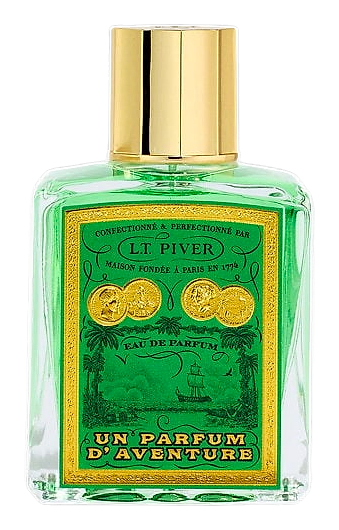
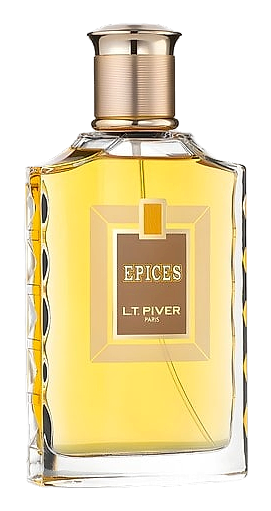
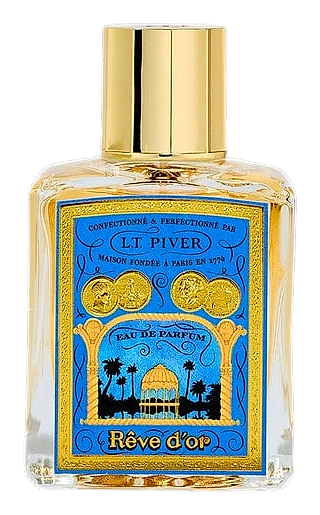
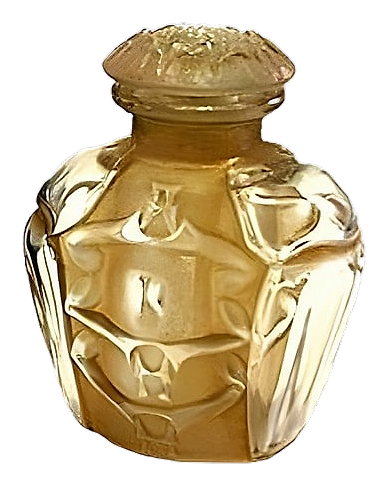
Some fragrances owe their existence to a collaboration. Scarabée does. In 1911, René Lalique, already famous for his glasswork, designed the flacon for the house of L.T. Piver, a Parisian perfumer. Lalique created not just the bottle but a sculpted object meant to sit on a dressing table like jewelry, its surface catching light the way a carved stone might. The flacon itself takes its name and its form from the Egyptian scarab, that ancient amulet shape translated into pressed glass. Piver's catalogue at the time already carried the florals and colognes a Belle Époque customer expected. Scarabée was something else entirely: a perfume as objet d'art, a liquid held inside Lalique glass, aimed at the woman whose vanity was already a gallery of beautiful things.
What makes the structure worth noticing is how the fragrance and its container were conceived as a single statement. Lalique's bottles read as constructed, deliberate objects with weight and intention, and the scent inside them was meant to match that gravity. The juice itself is dense, almost sculptural in how it sits on the skin, a heavy floral presence that refuses to evaporate into nothing. There's a mossy undertone, a resinous warmth that keeps the whole composition grounded rather than letting it float off into sweetness.
The evolution
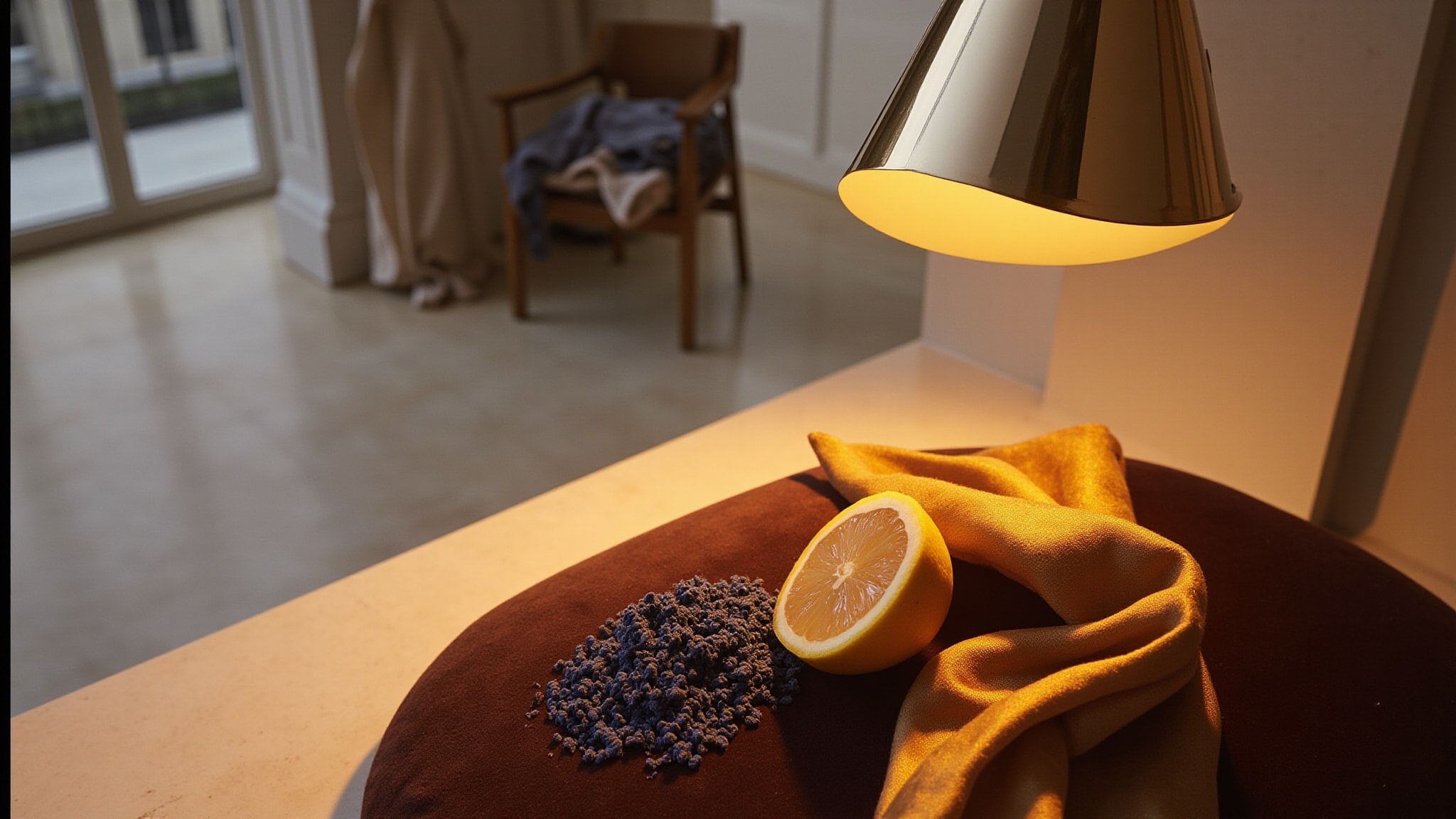
Spray it on. The first 15 minutes are cool and bright, a clean opening that carries a faint citrus edge, something green flickering at the periphery that keeps the top from turning soapy. There's a herbal thread woven through that early phase, quiet but persistent, the kind of green note that suggests crushed leaves rather than anything overtly botanical. By the 30-minute mark the florals arrive, not as a wallop but as a slow bloom, creamy and a little indolic, sitting in a soft, powdered shape. Rose shows up quietly in the background, dusty rather than lipstick-bright, more old garden than modern bouquet. The heart holds for a couple of hours, dense and close to the skin. Then the whole thing leans downward. Warm, resinous notes take over, ambered and a touch sweet, and a mossy shadow gathers at the base, giving the drydown its grounding.
Cultural impact
Scarabée belongs to a particular moment in French decorative arts when perfumers and makers of luxury objects began working hand in hand. Lalique's bottles for Piver helped establish the modern luxury perfume as something more than liquid in a container, they positioned the flacon as a collectible in its own right, worthy of a place in a cabinet of curiosities. Scarabée stands as one of the clearest demonstrations of that shift, a scent and a sculpture intended for the same vanity tray.