The Story
Why it exists.
The beginning
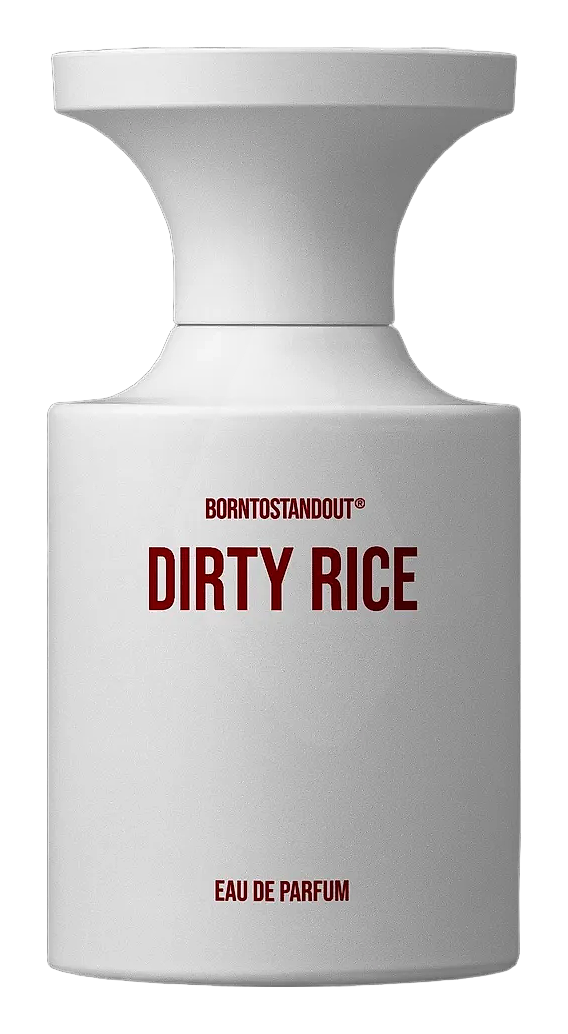
Dirty Rice didn't stumble into its name. The brand chose it deliberately, the collision of something wholesome, something you grew up with, and the word that means the opposite. Rice is comfort. Rice is warmth. Rice is home. Then a Korean indie house puts it next to 'dirty' and suddenly the whole thing shifts. Olivier Cresp built this around a single idea: intimacy without performance.
What makes Dirty Rice interesting isn't any single note, it's the absence of the expected. A rice fragrance could go sharp and green, earthy, fermented. Instead, Cresp went creamy. Milk and sandalwood carry the weight while the rice sits quiet in the heart, emerging only when the skin warms it. The peony doesn't compete either. It softens.
The evolution
It opens clean. Bergamot and almond, bright and almost soapy for a minute. Then the milk arrives, not sharp, not dairy, just warm and slightly sweet, and the rice follows, soft as steam rising from a bowl. The peony shows up translucent in the background, barely there. As it settles over the next few hours, the woodiness of sandalwood and cedar takes over, and the musk arrives like second skin. The drydown is close, intimate, quiet. You'll still catch traces of it the next morning.
Cultural impact
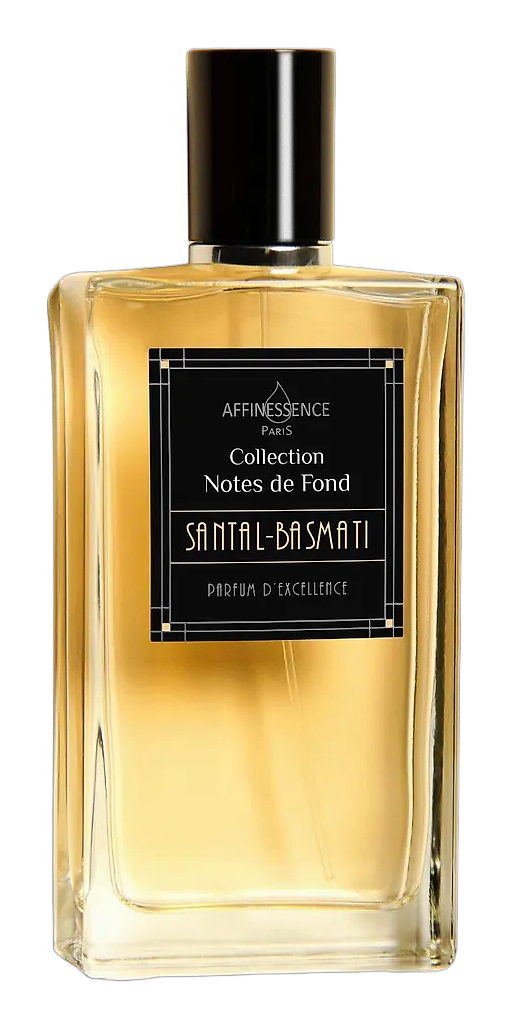
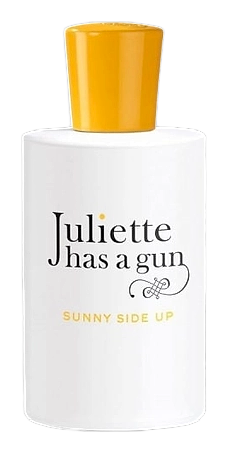
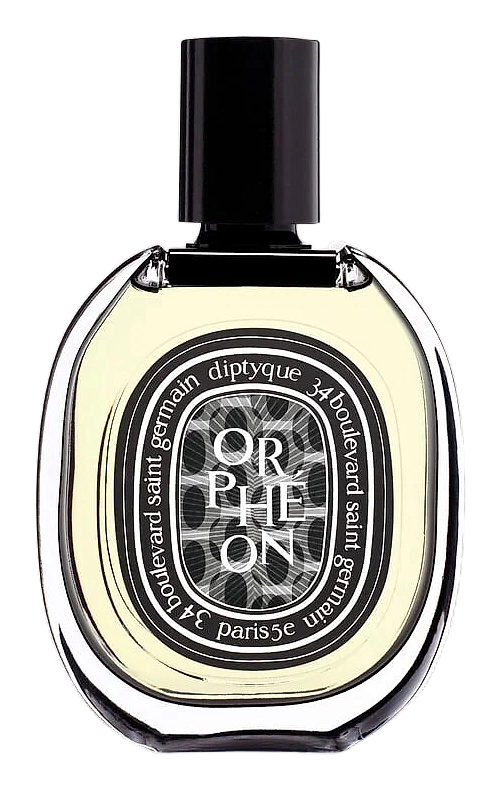
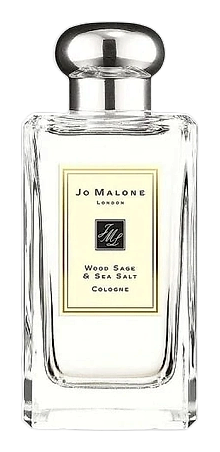
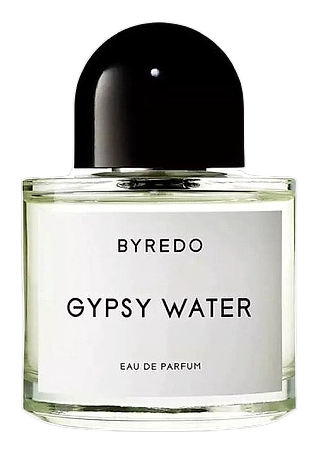
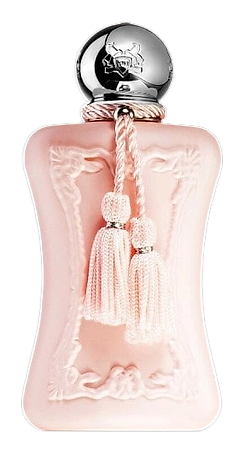
Dirty Rice sits in a small group of fragrances that use rice as a dominant material rather than a background note. Affinessence Santal-Basmati and Juliette Has a Gun Sunny Side Up explore similar territory, but Dirty Rice leans more intimate and less sweet. It's the choice for someone who wants a skin scent with a specific aromatic hook.