The Story
Why it exists.
The beginning
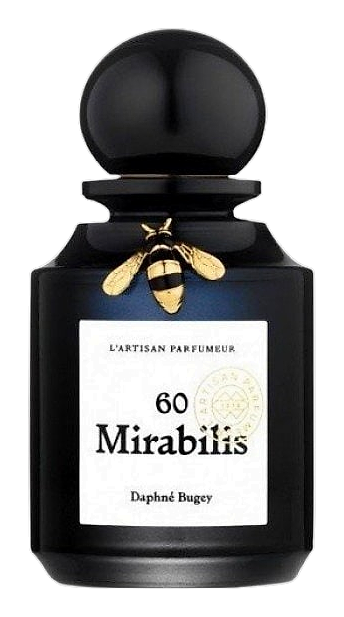
Mirabilis arrived in 2016 as part of L'Artisan Parfumeur's La Botanique collection. The composition reads as a study in restraint, three notes assembled with the kind of clarity that rewards a slow second sniff. On skin, the opening carries a cool, almost mineral brightness, something between crushed leaf and pale resin, before settling into a warmer, amber-tinged base that lingers closer than you'd expect from something this quiet. The fragrance wears steadily through the day rather than announcing itself in stages; it simply stays present, pulling you back to the wrist each time you catch a trace of it. There's a stillness to the drydown that feels deliberate, like the formula was designed to be revisited rather than worn once and forgotten.
What makes this composition worth slowing down for is the restraint. Bourbon vanilla carries a denser, almost boozy warmth that reads differently from the dessert-shop vanilla most people expect. Somali frankincense adds the powdery, slightly bitter lift that keeps the sweetness from collapsing into syrup. And Ambroxan, a synthetic ambergris molecule, gives the base its skin-like warmth and that persistent trail. Three materials doing the work of twelve, and doing it without crowding each other.
The evolution
The first ten minutes lean into the vanilla, but it's not the fluffy kind. It arrives already seasoned, with a resinous edge that suggests the frankincense is already pulling at the edges. By the thirty-minute mark the powder takes over. The sweetness recedes slightly and the composition turns cooler, dustier, almost mineral. It smells like old paper in a warm room. Then something shifts again around the two-hour mark. The Ambroxan fully wakes up and the whole thing goes soft and ambered, close to the skin, radiating rather than projecting. The frankincense never fully disappears but it becomes a ghost, a chalkiness in the background. On a sweater the next morning, what's left is mostly that warm, synthetic-musky glow. It's still recognizable as Mirabilis, but quieter. Stripped back to its bones.
Cultural impact
Mirabilis occupies an unusual place within the La Botanique collection. The scent leans sweet enough to register as approachable, yet the dry, resinous undertow keeps it from ever crossing into easy comfort territory. It's a composition that asks for attention rather than offering itself up immediately, the kind of fragrance that rewards repeated wear over a single first impression. The La Botanique collection itself was a deliberate exercise in focus, a series of fragrances built around single materials and pared-back structures, a quiet counterpoint to the louder, more crowded launches that surrounded its release.
The House
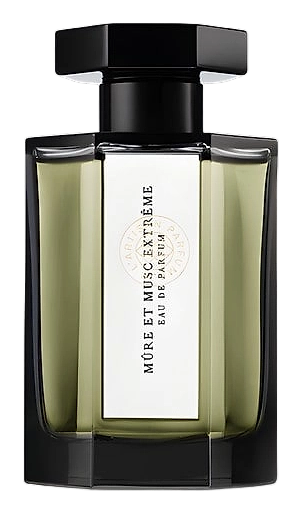
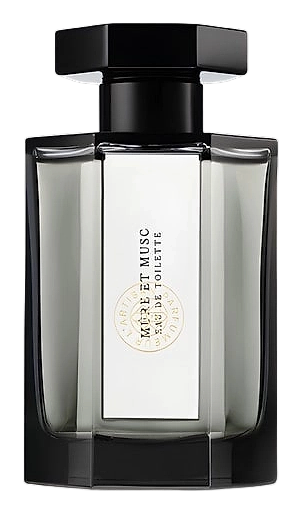
L'Artisan ParfumeurL'Artisan Parfumeur arrived in 1976 with a quietly radical idea: perfume should feel personal, not mass-produced. Founded by chemist Jean Laporte in Paris, the house became one of the first true niche fragrance houses, championing natural ingredients and artisanal craft at a time when blockbuster launches dominated the market. Its Mûre et Musc, launched in 1978, paired blackberry and musk in a way no one had attempted before, and it became a sensation. Over nearly five decades, the house has continued to create unusual fragrances with distinguished noses, never following trends but trusting instead in beautiful materials and imaginative composition.
The Creator
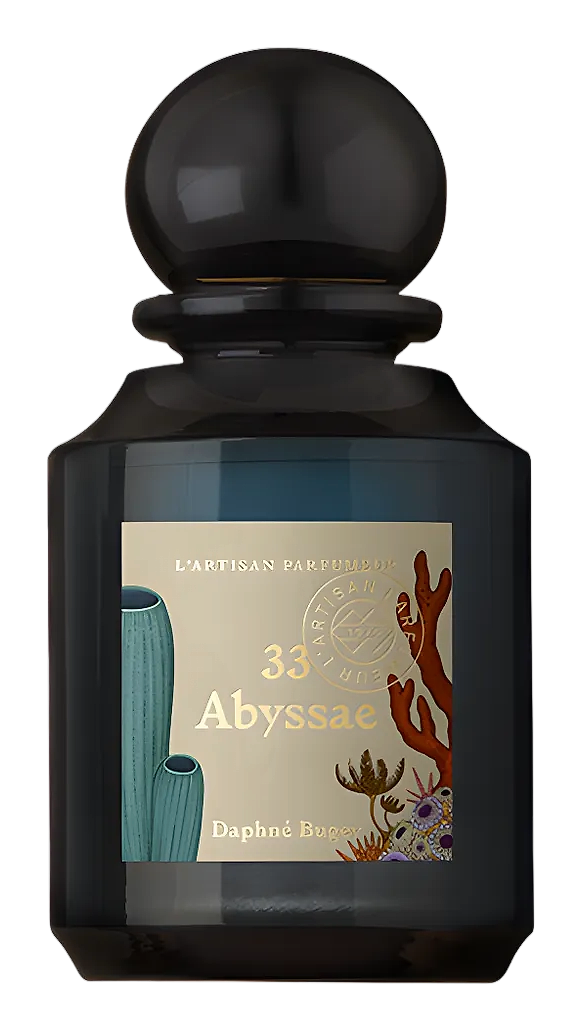
Daphné BugeyRose is the cornerstone of Bugey's signature. She treats it as a flexible material, pairing it with citrus and woods in some compositions, grounding it in musks and animalic warmth in others.