The Story
Why it exists.
The beginning
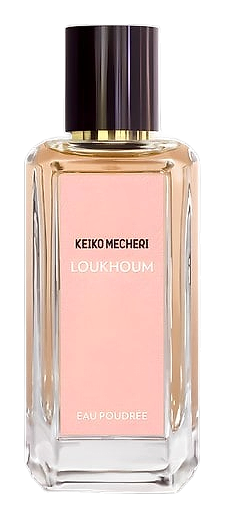
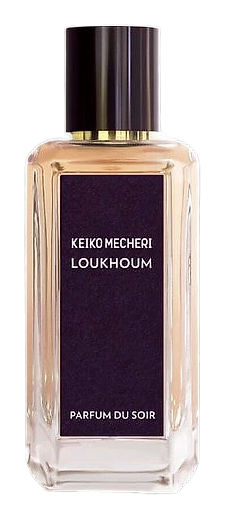
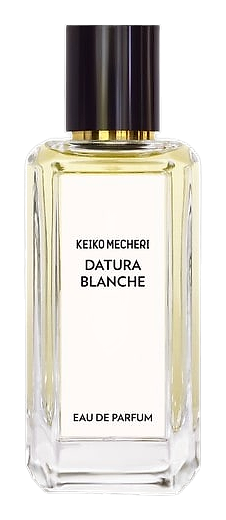
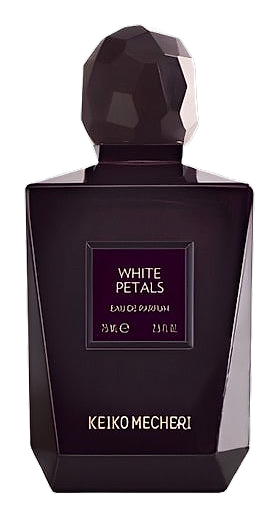
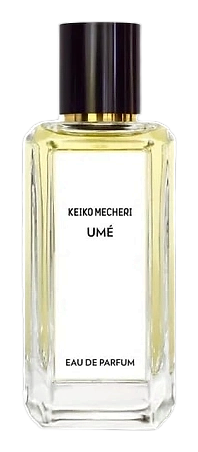
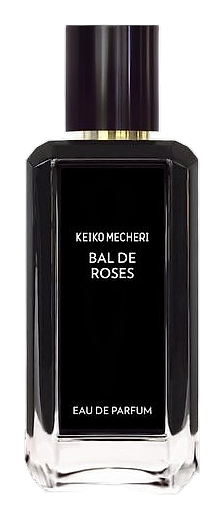
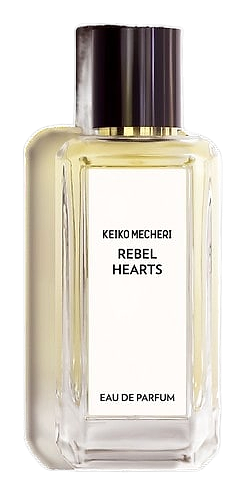
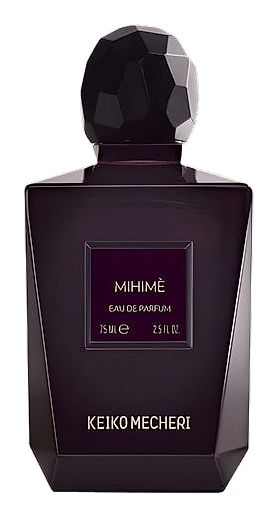
Keiko Mecheri founded her Beverly Hills house in 1997, initially building a reputation on artisanal candles that captured the sensory memory of place through smoke, wax, and botanicals. Mecheri's transition into perfume was a natural extension of this craft, applying the same reverence for natural absolutes and the discipline to let raw materials speak for themselves. The 2010 release of Tuberose marked a deliberate house pivot toward white florals, a territory that was commercially crowded but personally meaningful to Mecheri. The choice of tuberose as a namesake reflects both its sculptural beauty and its historical significance in perfumery as a note that demands skill to render without veering into cliché.
The note philosophy behind Tuberose reflects Mecheri's candle-making heritage, where scent must perform consistently and create an atmosphere rather than merely smell pleasant. The opening notes function like lighting a match, creating immediate atmosphere through petitgrain's citrus brightness and pink pepper's subtle spark. The heart functions as the main event, much like a candle flame's steady glow, with florals chosen not for novelty but for their ability to project and persist in a room. The drydown mirrors the cooling wax pool, offering warmth and depth through benzoin and vanilla that humans instinctively find comforting. Every material serves the whole.
The evolution
Tuberose begins its life on skin with the green citruslift of petitgrain, a material often undervalued that here functions as both opener and structural support for what follows. The pink pepper addition brings a modernity, a subtle spice that prevents the opening from feeling like a generic citrus blast. Within minutes the heart blooms, led by a tuberose that does not apologize for its presence. Iris arrives to add powdery depth, jasmine injects its characteristic indolic richness, and rose provides a softening agent that makes the ensemble palatable rather than overwhelming. This layered floral heart persists for hours, shifting in emphasis as skin chemistry reshapes each material. The drydown represents a return to comfort, with benzoin and vanilla creating a balsamic warmth that satisfies and lingers.
Cultural impact
Since its 2010 debut, Tube rose has become a reference point for modern white‑floral perfumery, influencing both niche houses and mainstream brands. Its bold tube rose heart, balanced with peppery and vanilla nuances, sparked a renewed interest in raw floral ingredients, encouraging perfumers to explore more daring, unfiltered expressions of classic blooms. The scent’s popularity in runway shows and artistic collaborations highlighted its cultural resonance, positioning it as a symbol of contemporary elegance and artistic bravery in the fragrance community.