
The Story
Why it exists.
The beginning
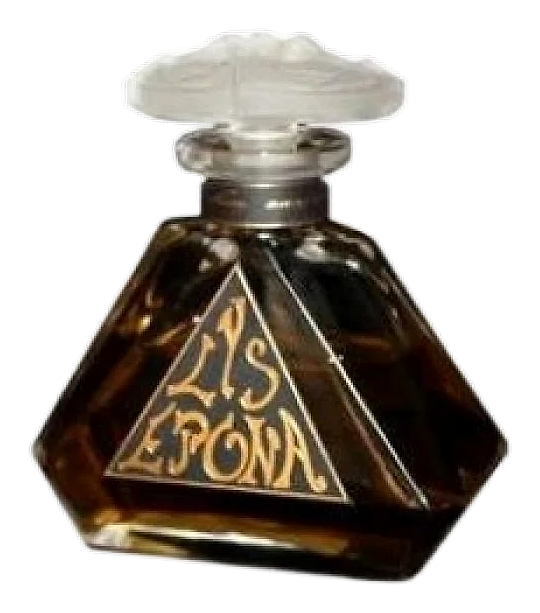
In 2013, perfumer Amélie Bourgeois composed Lys Epona. The fragrance takes its name from Epona, a name connected to horses, and it wears that lineage without flinching. This is not a polite floral. It opens green, swings through a hay-thick heart, and lands in a tobacco-and-labdanum drydown that smells closer to a stable at dusk than a Parisian boutique. Only 100 bottles were ever produced, a production run so small it barely registered as a release. The name suggests untamed territory, and the composition keeps that promise. There's a roughness to the way the notes meet, a refusal to smooth the edges into something easy to wear, and that friction is precisely what gives the juice its character.
What makes Lys Epona unusual is the deliberate collision of the cultivated and the raw. Lily and narcissus, both considered and refined flowers, are paired with hay and wheat, agricultural notes that carry dust and warmth. Ravansara adds an herbal coolness at the top, threading through the bright opening with something green and slightly sharp. The composition tips into animal territory as it wears, and ylang-ylang sweetens the edges without softening them. The tobacco and labdanum base refuses to stay clean.
The evolution
The first minutes are green and cold. Bergamot cuts sharp, ravansara adds a medicinal lift, and the lily arrives cool, almost metallic. It's restrained, almost aloof, as if the fragrance is deciding whether to commit. Then the heart opens. Hay and wheat warm everything from the ground up, and the narcissus threads through with its dense, almost indolic character. Jasmine adds a white floral sweetness that keeps the heart from collapsing into pure austerity. The composition gets denser, richer, more textured, the green sharpness slowly giving way to warmer, earthier tones as the hours pass. The tobacco and labdanum assert themselves in the base, resinous and slightly sweet, while musk keeps the whole thing close to skin rather than letting it project wide. What remains in the late hours is a warm, leathery, slightly sweet animal warmth, concentrated and close.
Cultural impact
With only 100 bottles produced, Lys Epona exists in extremely limited territory, a production run so small that finding one requires patience and luck. The chypre accord running beneath its floral structure gives it a classical weight, a connection to older traditions of perfumery that prized depth and evolution over instant appeal. Its animalic undertones, the hay and wheat and the way the narcissus turns slightly dirty as it warms, place it firmly outside contemporary trends toward clean, transparent compositions.