The Story
Why it exists.
The beginning
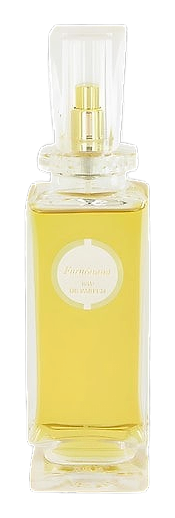
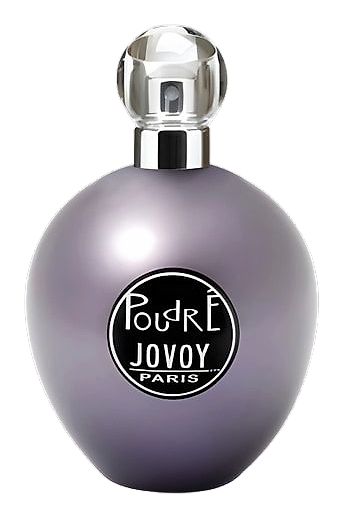
In 2007, Jovoy Paris unveiled seven fragrances representing what they considered the great olfactory families. Each was housed in the Perlinette bottle, a 1930s Art Deco shape, its "Tahitian pearl" lacquer shifting from metallic grey to deep purple in light. Poudre addressed the powdery family. The fragrance was conceived to reveal the sensuality of flowers through their dust, their talc, their pressed-petal intimacy. Jérôme Epinette translated this into a composition that opens bright, then becomes something you'd only notice if you were already leaning in.
What makes Poudre interesting is the way its materials relate to one another. Violet and mimosa could present a challenge in combination, but here they seem to orbit each other, with orris root providing a powdery counterpoint. The almond note adds a subtle warmth that grounds the florals without introducing sweetness. Cedar and vanilla appear in the base, giving the composition a quiet foundation. The fragrance doesn't build to a climax, it softens into the wearer.
The evolution
The opening is soft: almond milk and mimosa, with violet lifting the whole thing toward something green and clean. The rose appears, not as a statement, but as a bridge between the bright top and the deeper base. The orris root takes over the powdery register, carrying the florals into a space that feels less like perfume and more like warm skin. The drydown is cedar and vanilla, a quiet wood-cream warmth that stays close. On fabric, it lingers, faint and familiar.
Cultural impact
Poudre occupies a quiet corner of the niche world, respected among those who seek powdery florals that resist trend. It arrived in 2007 as part of Jovoy's seven-fragrance collection. The fragrance appeals to wearers who prioritize intimacy over projection.